Ch. 10 Blood
Marieb - Essentials of Human Anatomy & Physiology 13th Edition
Marieb13th EditionEssentials of Human Anatomy & PhysiologyISBN: 9780135624340Non è quello che usi tu?Cambia libro di testo
Capitolo 10, Problema 3

More than one choice may apply. A child is diagnosed with sickle cell anemia. This means that
a. One parent had sickle cell anemia.
b. One parent carried the sickle cell gene.
c. Both parents had sickle cell anemia.
d. Both parents carried the sickle cell gene.

Guida verificata passo dopo passo
1
Understand the genetic basis of sickle cell anemia: Sickle cell anemia is an autosomal recessive disorder, meaning that a child must inherit two copies of the defective gene (one from each parent) to develop the condition.
Review the inheritance patterns: If a child has sickle cell anemia, both parents must have contributed a defective copy of the sickle cell gene. This means both parents are either carriers (heterozygous for the gene) or have sickle cell anemia themselves (homozygous for the gene).
Analyze option a: If one parent had sickle cell anemia, they would pass one defective gene to the child. However, the child would still need a defective gene from the other parent to develop the condition.
Analyze option b: If one parent carried the sickle cell gene, the child would only inherit one defective gene, which would make them a carrier, not someone with sickle cell anemia. This option alone cannot explain the diagnosis.
Analyze option d: Both parents carrying the sickle cell gene (heterozygous carriers) is the most likely scenario for the child to inherit two defective copies of the gene, leading to sickle cell anemia. This aligns with the autosomal recessive inheritance pattern.

Risposta video verificata per un problema simile:

Questa soluzione video è stata consigliata dai nostri tutor come utile per risolvere questo problema.
Durata del video:
1m

Concetti chiave

Ecco i concetti essenziali che devi comprendere per rispondere correttamente alla domanda.

Sickle Cell Anemia Genetics

Sickle cell anemia is a genetic disorder caused by a mutation in the hemoglobin gene. It is inherited in an autosomal recessive pattern, meaning that a child must inherit two copies of the mutated gene (one from each parent) to express the disease. Understanding this genetic inheritance is crucial for determining the likelihood of a child being affected.
Video consigliato:

Carrier Status

A carrier of the sickle cell gene has one normal hemoglobin gene and one mutated gene. Carriers typically do not exhibit symptoms of sickle cell anemia but can pass the mutated gene to their offspring. Recognizing carrier status is important in genetic counseling and understanding the risk of having a child with the disease.
Video consigliato:
Percorso guidato
05:22
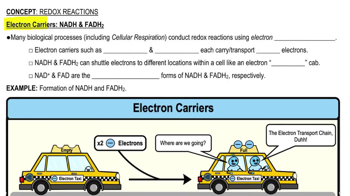
Electron Carriers: NADH & FADH2

Punnett Square

A Punnett square is a tool used in genetics to predict the probability of an offspring inheriting particular traits from its parents. By mapping out the possible combinations of alleles from each parent, it helps illustrate the chances of a child being affected by genetic conditions like sickle cell anemia. This concept aids in understanding the inheritance patterns of genetic disorders.
Video consigliato:
Percorso guidato
07:23
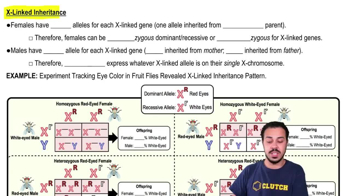
X-Linked Inheritance