Ch. 10 Blood
Marieb - Essentials of Human Anatomy & Physiology 13th Edition
Marieb13th EditionEssentials of Human Anatomy & PhysiologyISBN: 9780135624340Non è quello che usi tu?Cambia libro di testo
Capitolo 10, Problema 16

Name the formed elements that arise from myeloid stem cells. Name those arising from lymphoid stem cells.

Guida verificata passo dopo passo
1
Understand that hematopoiesis is the process of blood cell formation, and it occurs in the bone marrow. The two main types of stem cells involved are myeloid stem cells and lymphoid stem cells.
Identify the formed elements that arise from myeloid stem cells. These include red blood cells (erythrocytes), platelets (thrombocytes), and several types of white blood cells (leukocytes) such as neutrophils, eosinophils, basophils, and monocytes.
Recognize that lymphoid stem cells give rise to lymphocytes, which are a specific type of white blood cell. The main types of lymphocytes are B cells, T cells, and natural killer (NK) cells.
Differentiate between the roles of these formed elements: Myeloid-derived cells are involved in oxygen transport (erythrocytes), blood clotting (platelets), and innate immune responses (neutrophils, eosinophils, basophils, and monocytes). Lymphoid-derived cells are primarily involved in adaptive immunity (B and T cells) and immune surveillance (NK cells).
Summarize the distinction: Myeloid stem cells produce a broader range of blood cells, including both red and white blood cells, while lymphoid stem cells are specifically responsible for producing lymphocytes, which are key players in the immune system.

Risposta video verificata per un problema simile:

Questa soluzione video è stata consigliata dai nostri tutor come utile per risolvere questo problema.
Durata del video:
2m

Concetti chiave

Ecco i concetti essenziali che devi comprendere per rispondere correttamente alla domanda.

Myeloid Stem Cells

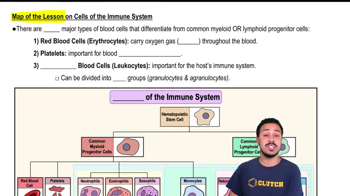
Myeloid stem cells are a type of hematopoietic stem cell that give rise to various blood cells, including red blood cells, platelets, and certain types of white blood cells such as neutrophils, eosinophils, basophils, and monocytes. These cells are crucial for oxygen transport, blood clotting, and immune responses.
Video consigliato:
Percorso guidato
6:08
Map of the Lesson on Cells of the Immune System

Lymphoid Stem Cells

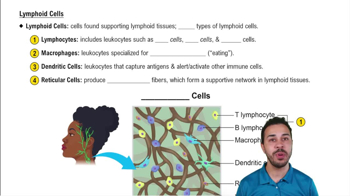
Lymphoid stem cells are another category of hematopoietic stem cells that differentiate primarily into lymphocytes, which are essential components of the adaptive immune system. This includes T cells, B cells, and natural killer (NK) cells, all of which play vital roles in recognizing and responding to pathogens.
Video consigliato:
Percorso guidato
4:36
Lymphoid Cells

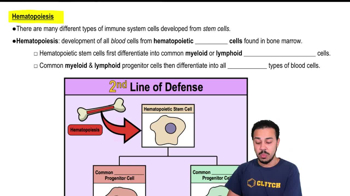
Hematopoiesis

Hematopoiesis is the process of blood cell formation that occurs in the bone marrow. It involves the differentiation of stem cells into various types of blood cells, ensuring a balanced production of myeloid and lymphoid lineages to maintain proper immune function and overall health.
Video consigliato: