Ch. 3 Cells and Tissues
Marieb - Essentials of Human Anatomy & Physiology 13th Edition
Marieb13th EditionEssentials of Human Anatomy & PhysiologyISBN: 9780135624340Non è quello che usi tu?Cambia libro di testo
Capitolo 3, Problema 21

Hydrocortisone is an anti-inflammatory drug that stabilizes lysosomal membranes. Explain how this effect reduces cell damage and inflammation.

Guida verificata passo dopo passo
1
Understand the role of lysosomes in the cell: Lysosomes are organelles that contain digestive enzymes capable of breaking down cellular components. When lysosomal membranes are destabilized, these enzymes can leak into the cytoplasm, causing damage to the cell and surrounding tissues.
Recognize the connection between lysosomal membrane stability and inflammation: When lysosomal enzymes are released into the extracellular space, they can trigger an inflammatory response by damaging nearby cells and tissues, leading to swelling, redness, and pain.
Explain how hydrocortisone stabilizes lysosomal membranes: Hydrocortisone, a corticosteroid, strengthens lysosomal membranes, preventing the release of harmful enzymes into the cytoplasm or extracellular space. This reduces the potential for cellular damage.
Describe the reduction in inflammation: By stabilizing lysosomal membranes, hydrocortisone minimizes the release of enzymes that would otherwise contribute to tissue damage and inflammation. This helps to control the inflammatory response and alleviate symptoms such as swelling and pain.
Connect the mechanism to therapeutic effects: Hydrocortisone's ability to stabilize lysosomal membranes and reduce inflammation makes it effective in treating conditions like arthritis, allergic reactions, and other inflammatory disorders.

Risposta video verificata per un problema simile:

Questa soluzione video è stata consigliata dai nostri tutor come utile per risolvere questo problema.
Durata del video:
2m

Concetti chiave

Ecco i concetti essenziali che devi comprendere per rispondere correttamente alla domanda.

Lysosomal Membrane Stabilization

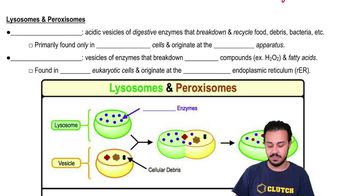
Lysosomes are organelles that contain enzymes responsible for breaking down waste materials and cellular debris. When lysosomal membranes are stabilized, it prevents the release of these enzymes into the cytoplasm, which can cause cell damage and inflammation. By maintaining membrane integrity, hydrocortisone helps protect cells from the harmful effects of these enzymes during inflammatory responses.
Video consigliato:
Percorso guidato
05:38
Lysosomes & Peroxisomes

Inflammation Process

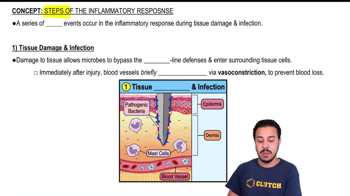
Inflammation is a biological response to harmful stimuli, such as pathogens or tissue injury, characterized by redness, swelling, heat, and pain. It involves the activation of immune cells and the release of inflammatory mediators. By stabilizing lysosomal membranes, hydrocortisone reduces the release of these mediators, thereby mitigating the overall inflammatory response and minimizing tissue damage.
Video consigliato:

Cell Damage Mechanisms

Cell damage can occur through various mechanisms, including oxidative stress, enzyme release, and apoptosis. In the context of inflammation, the uncontrolled release of lysosomal enzymes can lead to cellular degradation and necrosis. Hydrocortisone's role in stabilizing lysosomal membranes helps to prevent these damaging processes, thereby preserving cell viability and function during inflammatory conditions.
Video consigliato:
Percorso guidato
2:38
Step 1: Tissue Damage & Infection