Ch. 15 Sensory Pathways and the Somatic Nervous System
Martini - Fundamentals of Anatomy & Physiology 11th Edition
Martini, Nath, Bartholomew11th EditionFundamentals of Anatomy & PhysiologyISBN: 9780136874089Non è quello che usi tu?Cambia libro di testo
Capitolo 15, Problema 18

What effect does injury to the primary motor cortex have on peripheral muscles?

Guida verificata passo dopo passo
1
Understand the role of the primary motor cortex: It is located in the frontal lobe of the brain and is responsible for voluntary motor control by sending signals to peripheral muscles.
Recognize that injury to the primary motor cortex disrupts the transmission of motor commands from the brain to the spinal cord and peripheral nerves.
Identify that this disruption leads to weakness or paralysis (loss of voluntary movement) in the muscles controlled by the affected area of the cortex.
Note that the paralysis is typically contralateral, meaning it affects muscles on the opposite side of the body relative to the injury site.
Consider that reflexes may remain intact or become exaggerated due to loss of inhibitory signals from the cortex, resulting in spasticity in the affected muscles.

Risposta video verificata per un problema simile:

Questa soluzione video è stata consigliata dai nostri tutor come utile per risolvere questo problema.
Durata del video:
3m

Concetti chiave

Ecco i concetti essenziali che devi comprendere per rispondere correttamente alla domanda.

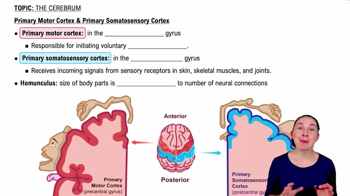
Primary Motor Cortex Function

The primary motor cortex, located in the frontal lobe, is responsible for voluntary movement control. It sends neural signals through the corticospinal tract to initiate and regulate muscle contractions in peripheral muscles.
Video consigliato:
4:31
Primary Motor Cortex & Primary Somatosensory Cortex

Effects of Cortical Injury on Motor Control

Injury to the primary motor cortex disrupts the transmission of motor commands, leading to weakness or paralysis (paresis or plegia) in muscles controlled by the affected area. This often results in loss of fine motor skills and impaired voluntary movement.
Video consigliato:
3:35
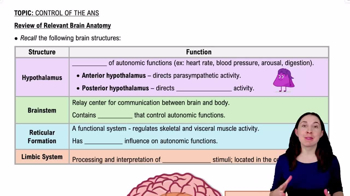
Review of Relevant Brain Anatomy

Neuroplasticity and Recovery Potential

After injury, the brain can sometimes reorganize neural pathways to compensate for lost function, a process called neuroplasticity. Rehabilitation can enhance this recovery, although the extent depends on injury severity and location.
Video consigliato:
05:55
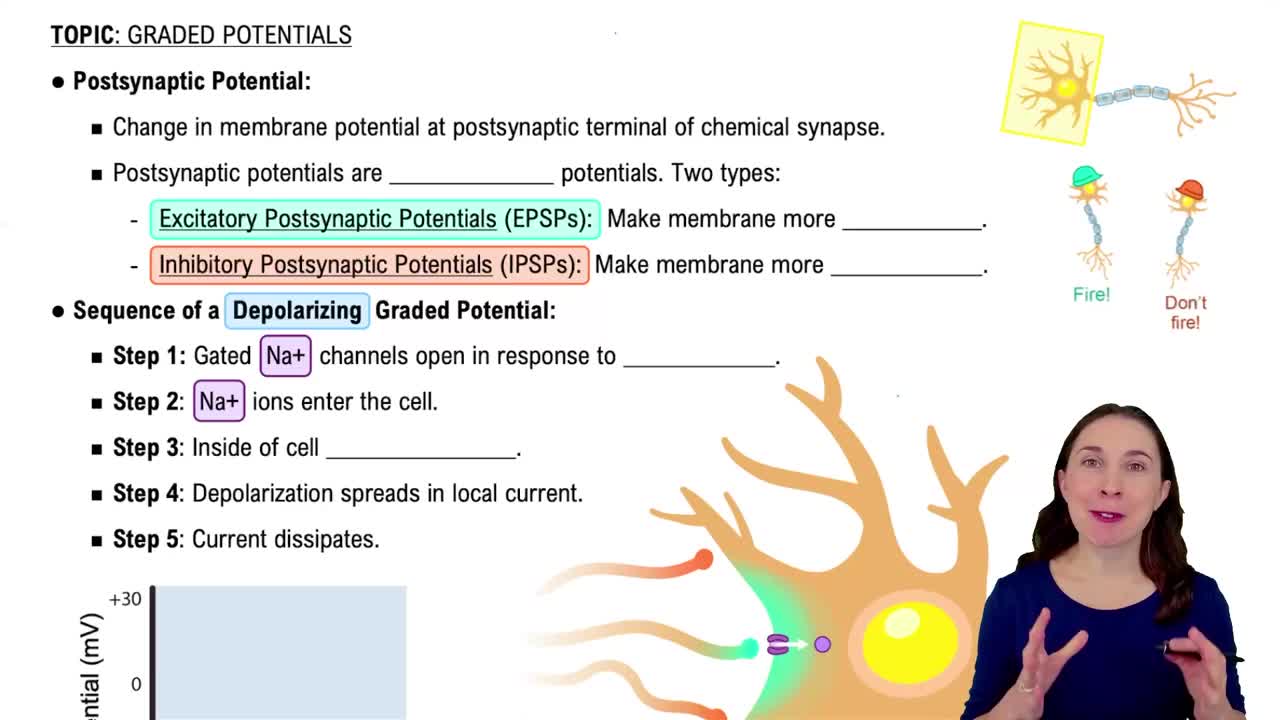
Postsynaptic Potential