Ch. 16 The Autonomic Nervous System and Higher-Order Functions
Martini - Fundamentals of Anatomy & Physiology 11th Edition
Martini, Nath, Bartholomew11th EditionFundamentals of Anatomy & PhysiologyISBN: 9780136874089Non è quello che usi tu?Cambia libro di testo
Capitolo 16, Problema 10

What physiological activities distinguish non-REM sleep from REM sleep?

Guida verificata passo dopo passo
1
Step 1: Understand that sleep is divided into two main types: non-REM (NREM) sleep and REM (Rapid Eye Movement) sleep, each characterized by distinct physiological activities.
Step 2: Identify key physiological features of non-REM sleep, such as slower brain waves (delta waves), reduced heart rate, decreased respiratory rate, and muscle relaxation without rapid eye movements.
Step 3: Identify key physiological features of REM sleep, including rapid eye movements, brain activity similar to wakefulness (desynchronized EEG), increased heart rate and respiration variability, and muscle atonia (near paralysis).
Step 4: Compare the brain wave patterns by noting that non-REM sleep shows synchronized, slow-wave activity, while REM sleep shows desynchronized, fast-wave activity resembling an awake state.
Step 5: Summarize that non-REM sleep is associated with restorative processes and reduced autonomic activity, whereas REM sleep is linked to dreaming, memory consolidation, and increased autonomic variability.

Risposta video verificata per un problema simile:

Questa soluzione video è stata consigliata dai nostri tutor come utile per risolvere questo problema.
Durata del video:
3m

Concetti chiave

Ecco i concetti essenziali che devi comprendere per rispondere correttamente alla domanda.

Non-REM Sleep Characteristics

Non-REM sleep is a phase of sleep marked by slower brain waves, reduced heart rate, and decreased muscle activity. It includes stages from light to deep sleep, during which the body focuses on restoration and energy conservation. Physiological functions like breathing become regular, and there is minimal eye movement.
Video consigliato:
00:48
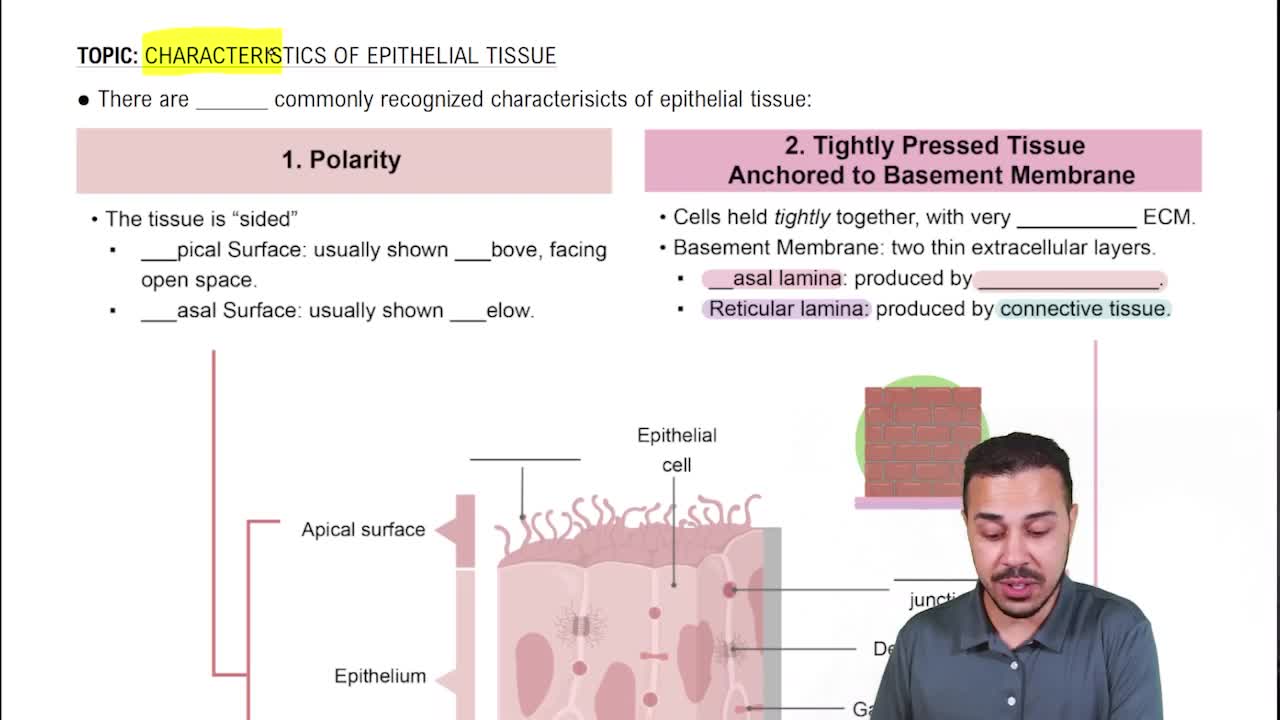
5 Characteristics of Epithelia

REM Sleep Characteristics

REM (Rapid Eye Movement) sleep is characterized by rapid eye movements, increased brain activity similar to wakefulness, and muscle atonia (temporary paralysis). It is the stage where most vivid dreaming occurs, and physiological functions such as heart rate and breathing become irregular and variable.
Video consigliato:
00:48
5 Characteristics of Epithelia

Physiological Differences Between Non-REM and REM Sleep

The main physiological differences include brain wave patterns, muscle tone, eye movement, and autonomic functions. Non-REM sleep shows slow-wave activity and muscle relaxation without paralysis, while REM sleep exhibits fast brain waves, muscle atonia, and rapid eye movements. These differences reflect distinct roles in memory consolidation and bodily restoration.
Video consigliato:
03:04
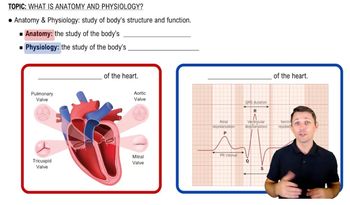
The Difference Between Anatomy and Physiology