Ch. 21 Blood Vessels and Circulation
Martini - Fundamentals of Anatomy & Physiology 11th Edition
Martini, Nath, Bartholomew11th EditionFundamentals of Anatomy & PhysiologyISBN: 9780136874089Non è quello che usi tu?Cambia libro di testo
Capitolo 21, Problema 29

People with allergies commonly take antihistamines with decongestants to relieve their symptoms. The container warns that individuals who are being treated for high blood pressure should not take the medication. Why not?

Guida verificata passo dopo passo
1
Understand that antihistamines are used to block histamine receptors, reducing allergy symptoms, while decongestants typically constrict blood vessels to reduce nasal swelling.
Recognize that decongestants often contain sympathomimetic agents like pseudoephedrine, which stimulate the sympathetic nervous system causing vasoconstriction and increased heart rate.
Recall that increased vasoconstriction and heart rate can raise blood pressure, which is risky for individuals already being treated for hypertension.
Connect that taking decongestants can counteract the effects of antihypertensive medications, making blood pressure harder to control.
Conclude that the warning exists because decongestants may elevate blood pressure and interfere with hypertension treatment, potentially leading to dangerous cardiovascular effects.

Risposta video verificata per un problema simile:

Questa soluzione video è stata consigliata dai nostri tutor come utile per risolvere questo problema.

Concetti chiave

Ecco i concetti essenziali che devi comprendere per rispondere correttamente alla domanda.

Mechanism of Antihistamines

Antihistamines block histamine receptors to reduce allergy symptoms like sneezing and itching. They primarily target H1 receptors to prevent allergic reactions but generally have minimal direct effects on blood pressure.
Video consigliato:
3:02
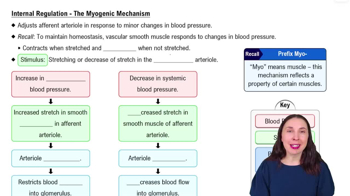
Internal Regulation - The Myogenic Mechanism

Role of Decongestants and Their Effect on Blood Pressure

Decongestants, such as pseudoephedrine, constrict blood vessels to reduce nasal swelling. This vasoconstriction can increase blood pressure and heart rate, posing risks for individuals with hypertension.
Video consigliato:
Percorso guidato
6:40
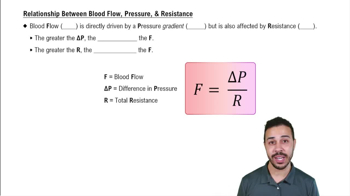
Relationship Between Blood Flow, Pressure, & Resistance

Interaction Between Decongestants and Hypertension

People with high blood pressure are advised to avoid decongestants because these drugs can elevate blood pressure further, potentially leading to dangerous cardiovascular events. This interaction explains the warning on the medication container.
Video consigliato:
03:04
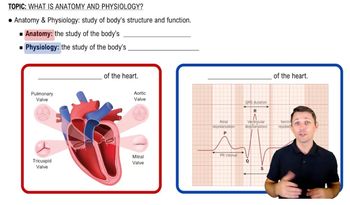
The Difference Between Anatomy and Physiology