Ch. 23 The Respiratory System
Martini - Fundamentals of Anatomy & Physiology 11th Edition
Martini, Nath, Bartholomew11th EditionFundamentals of Anatomy & PhysiologyISBN: 9780136874089Non è quello che usi tu?Cambia libro di testo
Capitolo 23, Problema 28

Cary hyperventilates for several minutes before diving into a swimming pool. After he enters and begins swimming underwater, he blacks out and almost drowns. What caused this to happen?

Guida verificata passo dopo passo
1
Understand the physiological effects of hyperventilation: Hyperventilation involves rapid and deep breathing, which decreases the level of carbon dioxide (CO2) in the blood (hypocapnia). CO2 is crucial for regulating the body's pH and stimulating the breathing reflex.
Recognize the role of CO2 in the breathing reflex: The primary drive to breathe is triggered by rising CO2 levels in the blood, not by low oxygen (O2) levels. Hyperventilation reduces CO2 levels, delaying the urge to breathe even as oxygen levels drop dangerously low.
Analyze the impact of reduced CO2 levels underwater: When Cary hyperventilates before diving, his CO2 levels are already low. As he swims underwater, his oxygen levels decrease, but the low CO2 levels fail to trigger the breathing reflex in time to prevent hypoxia (low oxygen).
Understand the consequences of hypoxia: Hypoxia can lead to loss of consciousness (blackout) because the brain is deprived of sufficient oxygen to function. This is particularly dangerous underwater, as it increases the risk of drowning.
Conclude the sequence of events: Cary's blackout was caused by hypoxia due to delayed breathing reflex from hyperventilation-induced hypocapnia. This highlights the importance of avoiding hyperventilation before underwater activities to prevent such incidents.

Risposta video verificata per un problema simile:

Questa soluzione video è stata consigliata dai nostri tutor come utile per risolvere questo problema.

Concetti chiave

Ecco i concetti essenziali che devi comprendere per rispondere correttamente alla domanda.

Hyperventilation

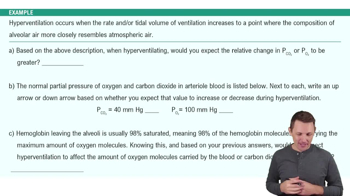
Hyperventilation is a condition characterized by rapid or deep breathing that leads to an excessive loss of carbon dioxide (CO2) from the bloodstream. This can result in respiratory alkalosis, where the blood becomes too alkaline, causing symptoms such as dizziness, tingling, and even loss of consciousness. In Cary's case, hyperventilation before diving likely reduced his CO2 levels, impairing his body's natural urge to breathe while underwater.
Video consigliato:
6:07
Respiration Example 2

Oxygen Deprivation

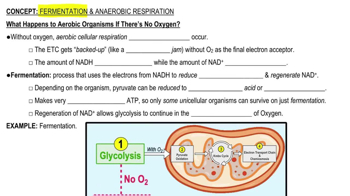
Oxygen deprivation occurs when the body or a part of the body does not receive enough oxygen to sustain normal physiological functions. When Cary hyperventilated, he may have felt a temporary sense of euphoria or lightheadedness, but as he swam underwater, the lack of CO2 buildup would delay his body's response to breathe, leading to a critical drop in oxygen levels and ultimately causing him to black out.
Video consigliato:
Percorso guidato
07:50
What Happens to Aerobic Organisms if There's No Oxygen?

Swim Safety and Blackout Risks

Swim safety involves understanding the risks associated with swimming, particularly in relation to breath-holding and underwater activities. A blackout while swimming can be life-threatening, as it can lead to drowning. Cary's experience highlights the importance of recognizing the dangers of hyperventilation and the need for proper training and awareness of safe practices when engaging in underwater swimming.
Video consigliato:
Percorso guidato
04:07
Properties of Water- Thermal