Ch. 13 - Regulation of Gene Expression in Eukaryotes
Sanders - Genetic Analysis: An Integrated Approach 3rd Edition
Sanders3rd EditionGenetic Analysis: An Integrated ApproachISBN: 9780135564172Non è quello che usi tu?Cambia libro di testo
Capitolo 13, Problema 13

Define epigenetics, and provide examples illustrating your definition.

Guida verificata passo dopo passo
1
Epigenetics is the study of heritable changes in gene expression that do not involve alterations to the underlying DNA sequence. These changes can affect how genes are turned on or off without modifying the genetic code itself.
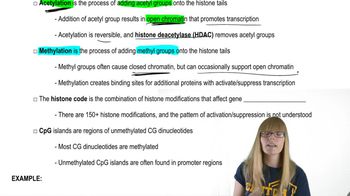
One example of epigenetics is DNA methylation, where methyl groups are added to the DNA molecule, typically at cytosine bases in CpG islands. This modification can suppress gene expression by preventing transcription factors from binding to the DNA.
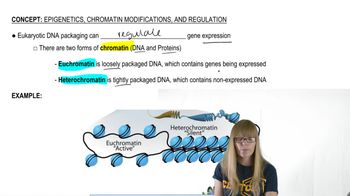
Another example is histone modification, where chemical groups such as acetyl, methyl, or phosphate groups are added to histone proteins. These modifications can alter the chromatin structure, making it either more open (euchromatin) or more condensed (heterochromatin), thereby influencing gene expression.
A third example is RNA-based mechanisms, such as non-coding RNAs (e.g., microRNAs) that can regulate gene expression post-transcriptionally by degrading mRNA or inhibiting its translation.
Epigenetic changes can be influenced by environmental factors such as diet, stress, and exposure to toxins, and they can sometimes be passed on to offspring, demonstrating their heritable nature.

Risposta video verificata per un problema simile:

Questa soluzione video è stata consigliata dai nostri tutor come utile per risolvere questo problema.
Durata del video:
2m

Concetti chiave

Ecco i concetti essenziali che devi comprendere per rispondere correttamente alla domanda.

Epigenetics

Epigenetics is the study of heritable changes in gene expression that do not involve alterations to the underlying DNA sequence. These changes can be influenced by various factors, including environmental conditions, lifestyle, and developmental stages. Epigenetic modifications, such as DNA methylation and histone modification, can activate or silence genes, thereby affecting how cells read the genetic code.
Video consigliato:

DNA Methylation

DNA methylation is a key epigenetic mechanism that involves the addition of a methyl group to the DNA molecule, typically at cytosine bases. This modification can inhibit gene expression by preventing the binding of transcription factors or recruiting proteins that compact the DNA, making it less accessible for transcription. For example, increased methylation of tumor suppressor genes can lead to their silencing, contributing to cancer development.
Video consigliato:
Percorso guidato
01:45
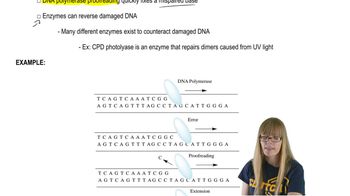
DNA Proofreading

Histone Modification

Histone modification refers to the chemical alterations of histone proteins around which DNA is wrapped, influencing gene accessibility and expression. Common modifications include acetylation, methylation, and phosphorylation, which can either promote or inhibit transcription. For instance, acetylation of histones generally leads to a more open chromatin structure, facilitating gene expression, while certain methylation patterns can lead to gene repression.
Video consigliato:
Percorso guidato
07:55
Histone Protein Modifications