Ch. 9 - The Molecular Biology of Translation
Sanders - Genetic Analysis: An Integrated Approach 3rd Edition
Sanders3rd EditionGenetic Analysis: An Integrated ApproachISBN: 9780135564172Non è quello che usi tu?Cambia libro di testo
Capitolo 9, Problema 29c

Recombinant human insulin (made by inserting human DNA encoding insulin into E. coli) is one of the most widely used recombinant pharmaceutical products in the world. What segments of the human insulin gene are used to create recombinant bacteria that produce human insulin?

Guida verificata passo dopo passo
1
Understand the structure of the human insulin gene, which includes exons (coding regions) and introns (non-coding regions). The gene is initially transcribed as pre-mRNA containing both exons and introns.
Recognize that bacteria like E. coli cannot process introns because they lack the splicing machinery present in eukaryotic cells. Therefore, only the coding sequences without introns can be used to produce functional insulin in bacteria.
Identify that the mature mRNA of the insulin gene, which contains only the exons spliced together, is the correct template for producing recombinant insulin. This mRNA is reverse-transcribed to create complementary DNA (cDNA) that lacks introns.
Use the cDNA corresponding to the insulin gene's coding sequence to insert into a bacterial plasmid vector. This plasmid is then introduced into E. coli to enable the bacteria to produce human insulin protein.
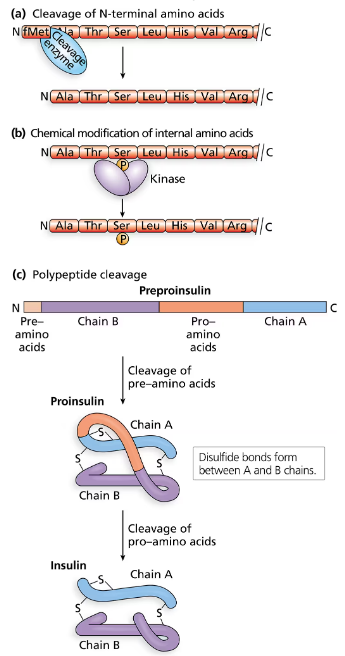
Confirm that the inserted gene segment includes the sequences encoding both the A and B chains of insulin, which are the functional parts of the hormone, ensuring that the recombinant bacteria can synthesize the complete insulin molecule.

Risposta video verificata per un problema simile:

Questa soluzione video è stata consigliata dai nostri tutor come utile per risolvere questo problema.
Durata del video:
3m

Concetti chiave

Ecco i concetti essenziali che devi comprendere per rispondere correttamente alla domanda.

Structure of the Human Insulin Gene

The human insulin gene contains coding regions called exons and non-coding regions called introns. The exons encode the insulin protein, while introns are removed during RNA processing. For recombinant production, only the coding sequences (exons) are used to ensure proper protein synthesis in bacteria.
Video consigliato:
Percorso guidato
03:49
Ribosome Structure

Recombinant DNA Technology

Recombinant DNA technology involves inserting a gene of interest into a bacterial plasmid to produce a desired protein. In this case, the human insulin gene's coding sequence is inserted into E. coli, enabling the bacteria to express human insulin. This process requires isolating the correct gene segments and using vectors for gene transfer.
Video consigliato:
Percorso guidato
03:51
Recombination after Single Strand Breaks

Expression of Eukaryotic Genes in Prokaryotes

Eukaryotic genes contain introns that bacteria cannot process, so only the intron-free coding sequences (cDNA) are used for expression in prokaryotes like E. coli. This ensures the bacteria produce functional insulin protein without errors caused by unprocessed introns.
Video consigliato:
Percorso guidato
10:14
Prokaryotic Transcription
Pratica correlata
Domanda del libro di testo

Explain why it is not feasible to insert the entire human insulin gene into E. coli and anticipate the production of insulin.

405
views
Domanda del libro di testo

The following figure contains several examples of the Shine–Dalgarno sequence. Using the seven Shine–Dalgarno sequences from E. coli, determine the consensus sequence and describe its location relative to the start codon.

542
views
Domanda del libro di testo

A DNA sequence encoding a five-amino acid polypeptide is given below.

...ACGGCAAGATCCCACCCTAATCAGACCGTACCATTCACCTCCT...

...TGCCGTTCTAGGGTGGGATTAGTCTGGCATGGTAAGTGGAGGA...

Give the sequence and polarity of the mRNA encoding the polypeptide.

703
views
Domanda del libro di testo

A DNA sequence encoding a five-amino acid polypeptide is given below.

...ACGGCAAGATCCCACCCTAATCAGACCGTACCATTCACCTCCT...

...TGCCGTTCTAGGGTGGGATTAGTCTGGCATGGTAAGTGGAGGA...

Give the polypeptide sequence, and identify the N terminus and C terminus.

626
views
Domanda del libro di testo

A DNA sequence encoding a five-amino acid polypeptide is given below.

...ACGGCAAGATCCCACCCTAATCAGACCGTACCATTCACCTCCT...

...TGCCGTTCTAGGGTGGGATTAGTCTGGCATGGTAAGTGGAGGA...

Locate the sequence encoding the five amino acids of the polypeptide, and identify the template and coding strands of DNA.

576
views
Domanda del libro di testo

A research scientist is interested in producing human insulin in the bacterial species E. coli. Will the genetic code allow the production of human proteins from bacterial cells? Explain why or why not.


598
views