Ch. 13 - Characterizing and Classifying Viruses, Viroids, and Prions
Bauman - Microbiology with Diseases by Taxonomy 6th Edition
Bauman6th EditionMicrobiology with Diseases by TaxonomyISBN: 9780134832302Non è quello che usi tu?Cambia libro di testo
Capitolo 13, Problema 9

How are viruses specific for their host’s cells?

Guida verificata passo dopo passo
1
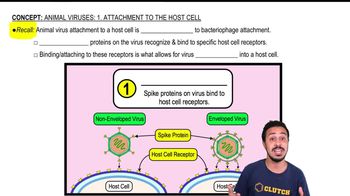
Understand that viruses exhibit host specificity because they must recognize and bind to specific receptors on the surface of host cells. This interaction is the first key step in viral infection.
Identify that the viral surface proteins (such as glycoproteins or capsid proteins) are structurally complementary to the host cell receptors, allowing the virus to attach only to cells that express these receptors.
Recognize that this receptor-virus interaction determines the host range, meaning which species or cell types a virus can infect, based on the presence or absence of compatible receptors.
Consider that after attachment, the virus must also be able to enter the host cell and utilize the host's cellular machinery for replication, which adds another layer of specificity beyond just receptor binding.
Summarize that viral specificity is a combination of receptor recognition, entry mechanisms, and compatibility with the host cell's internal environment, all of which restrict viruses to infecting particular hosts or cell types.

Risposta video verificata per un problema simile:

Questa soluzione video è stata consigliata dai nostri tutor come utile per risolvere questo problema.
Durata del video:
1m

Concetti chiave

Ecco i concetti essenziali che devi comprendere per rispondere correttamente alla domanda.

Virus-Host Cell Interaction

Viruses are specific to their host cells because they recognize and bind to particular receptor molecules on the cell surface. This interaction determines which cells a virus can infect, as only cells with compatible receptors allow viral attachment and entry.
Video consigliato:
03:12
Animal Viruses: 1. Attachment to the Host Cell

Viral Attachment Proteins

Viral attachment proteins, such as spikes or glycoproteins, are specialized structures on the virus surface that bind to host cell receptors. These proteins are highly specific, enabling the virus to target certain cell types or species.
Video consigliato:
02:50
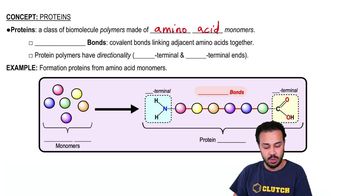
Proteins

Host Range and Tropism

Host range refers to the spectrum of host species a virus can infect, while tropism describes the preference for specific cell types within a host. Both are determined by the compatibility between viral proteins and host cell receptors, influencing infection specificity.
Video consigliato:
01:50
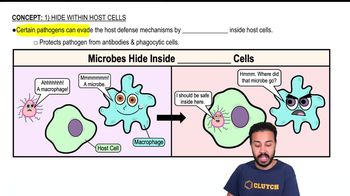
Hide Within Host Cells