Ch. 6 - Microbial Nutrition and Growth
Bauman - Microbiology with Diseases by Taxonomy 6th Edition
Bauman6th EditionMicrobiology with Diseases by TaxonomyISBN: 9780134832302Non è quello che usi tu?Cambia libro di testo
Capitolo 6, Problema 4

Why must media, vessels, and instruments be sterilized before they are used for microbiological procedures?

Guida verificata passo dopo passo
1
Understand the concept of sterilization: Sterilization is the process of eliminating all forms of microbial life, including bacteria, viruses, fungi, and spores, from an object or environment.
Recognize the purpose of sterilizing media, vessels, and instruments: These items are used to culture or handle microorganisms, so they must be free of any contaminating microbes to ensure accurate and uncontaminated results.
Consider the consequences of not sterilizing: If media, vessels, or instruments are not sterilized, unwanted microorganisms can grow, leading to contamination that can interfere with experimental outcomes or diagnostic tests.
Acknowledge the role of sterilization in preventing cross-contamination: Sterilization prevents the transfer of microbes from one sample or environment to another, maintaining the integrity of microbiological procedures.
Summarize that sterilization is essential to maintain aseptic conditions, ensuring that only the intended microorganisms are studied or cultured without interference from external contaminants.

Risposta video verificata per un problema simile:

Questa soluzione video è stata consigliata dai nostri tutor come utile per risolvere questo problema.
Durata del video:
1m

Concetti chiave

Ecco i concetti essenziali che devi comprendere per rispondere correttamente alla domanda.

Sterilization

Sterilization is the process of eliminating all forms of microbial life, including bacteria, viruses, fungi, and spores, from an object or medium. This ensures that no contaminating microorganisms interfere with experimental results or cause infections.
Video consigliato:
05:58
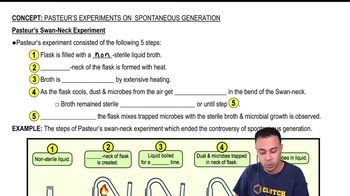
Pasteur’s Swan-Neck Experiment

Contamination in Microbiological Procedures

Contamination occurs when unwanted microorganisms are introduced into a sample or environment, potentially altering the outcome of experiments. Preventing contamination is crucial to obtain accurate, reliable data and to maintain safety in the lab.
Video consigliato:
07:27
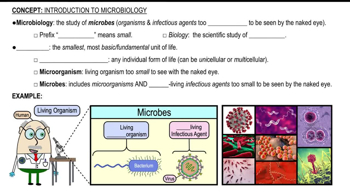
Introduction to Microbiology

Aseptic Technique

Aseptic technique involves practices used to prevent contamination by maintaining sterility of media, vessels, and instruments. Proper sterilization is a fundamental part of aseptic technique, ensuring that only the intended microorganisms are studied.
Video consigliato:
02:05
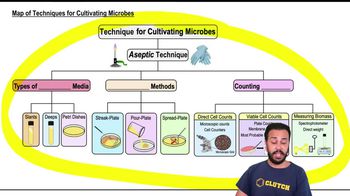
Map of Techniques for Cultivating Microbes