Ch. 10 Blood
Marieb - Essentials of Human Anatomy & Physiology 13th Edition
Marieb13th EditionEssentials of Human Anatomy & PhysiologyISBN: 9780135624340당신이 사용하는 게 아니라요?교과서 변경
10장, 문제 22

A bone marrow biopsy of Mr. Lee, a man on long-term drug therapy, shows an abnormally high percentage of nonhematopoietic connective tissue. What condition does this indicate? If the symptoms are critical, what short-term and long-term treatments are indicated? Which treatment is he more likely to be given: infusion of whole blood or of packed red cells?

검증된 단계별 안내
1
Step 1: Understand the condition indicated by the biopsy results. Bone marrow is responsible for producing blood cells, including red blood cells, white blood cells, and platelets. An abnormally high percentage of nonhematopoietic connective tissue suggests that the bone marrow is being replaced by fibrous tissue, which can impair blood cell production. This condition is often associated with bone marrow failure or aplastic anemia.
Step 2: Assess the criticality of the symptoms. Aplastic anemia can lead to severe symptoms such as anemia (low red blood cell count), increased risk of infections (low white blood cell count), and bleeding disorders (low platelet count). If these symptoms are critical, immediate intervention is required to stabilize the patient.
Step 3: Identify short-term treatments. In critical cases, short-term treatments may include blood transfusions to address anemia and platelet transfusions to prevent bleeding. Antibiotics or antifungal medications may be administered to combat infections due to low white blood cell counts.
Step 4: Explore long-term treatments. Long-term treatments for aplastic anemia may include immunosuppressive therapy to reduce immune-mediated damage to the bone marrow, or a bone marrow transplant to replace the damaged marrow with healthy donor marrow. Growth factors like erythropoietin may also be used to stimulate blood cell production.
Step 5: Determine the type of transfusion likely to be given. Infusion of packed red cells is more likely than whole blood because packed red cells specifically address anemia without introducing unnecessary plasma volume, which could lead to complications such as fluid overload. Packed red cells are a targeted treatment for low red blood cell counts.

비슷한 문제에 대한 검증된 영상 답변:

이 영상 해법은 위 문제에 도움이 된다고 튜터들이 추천한 것입니다.
영상 길이:
1m
도움이 되었나요?

주요 개념

질문에 올바르게 답하기 위해 반드시 이해해야 하는 핵심 개념들은 다음과 같습니다.

Bone Marrow Biopsy

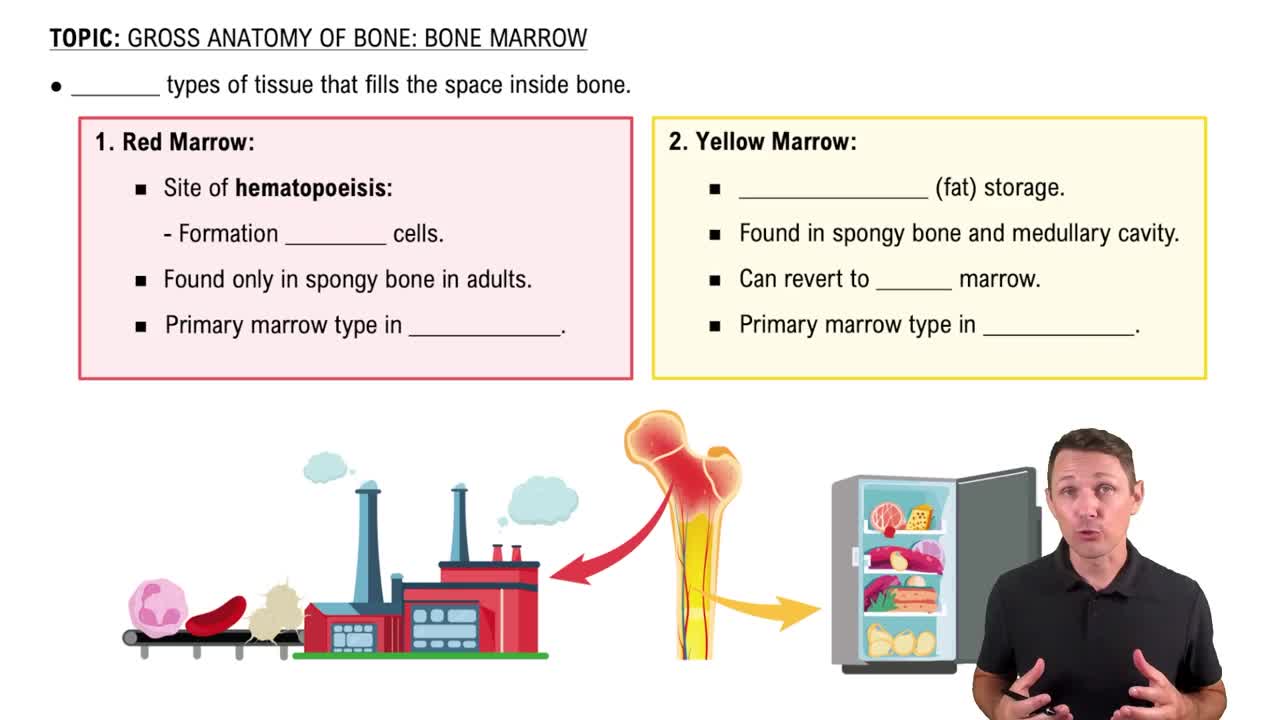
A bone marrow biopsy is a medical procedure that involves extracting a small sample of bone marrow, typically from the hip bone, to examine its cellular composition. This test is crucial for diagnosing various hematological conditions, as it reveals the presence of blood-forming cells and any abnormalities, such as increased connective tissue, which may indicate disorders like myelofibrosis or other malignancies.
추천 영상:
3:39
Bone Marrow

Nonhematopoietic Connective Tissue

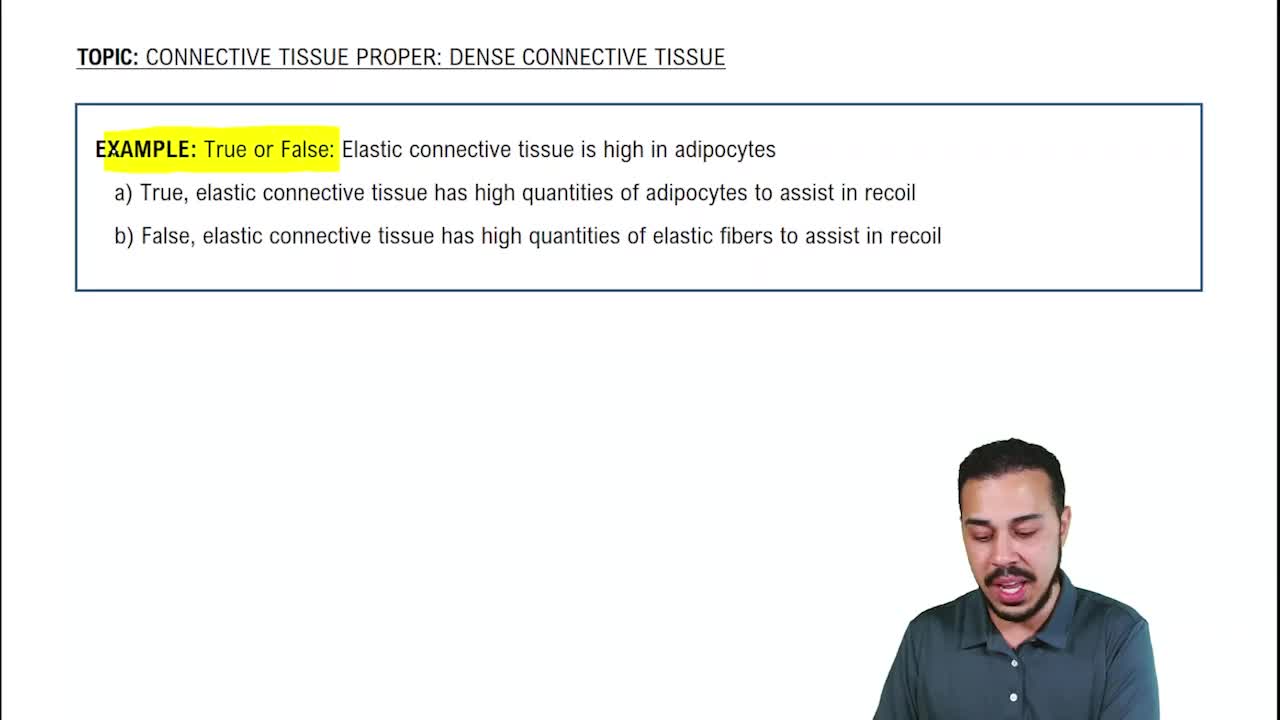
Nonhematopoietic connective tissue refers to the supportive tissue in the bone marrow that does not produce blood cells. An increase in this tissue can suggest pathological conditions, such as fibrosis or infiltration by abnormal cells, which can disrupt normal hematopoiesis and lead to symptoms like anemia or thrombocytopenia, necessitating further evaluation and treatment.
추천 영상:
01:27
Connective Tissue Proper: Dense Connective Tissue Example 3

Blood Transfusion Types

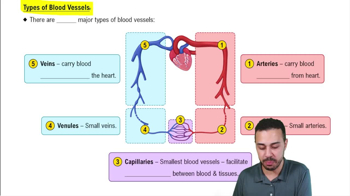
Blood transfusions can involve whole blood or specific components, such as packed red blood cells (PRBCs). Whole blood contains all components of blood, while PRBCs are concentrated red blood cells with reduced plasma volume, making them more efficient for treating anemia or significant blood loss. The choice between these options depends on the patient's condition, with PRBCs often preferred for targeted treatment of anemia.
추천 영상:
가이드 코스
5:34
Types of Blood Vessels