Ch. 11 Cardiovascular System
Marieb - Essentials of Human Anatomy & Physiology 13th Edition
Marieb13th EditionEssentials of Human Anatomy & PhysiologyISBN: 9780135624340당신이 사용하는 게 아니라요?교과서 변경
11장, 문제 25

Capillary permeability increase and plasma proteins leak into the interstitial fluid as part of the inflammatory process. Why is this desirable?

검증된 단계별 안내
1
Understand the role of capillary permeability in the inflammatory process: Capillary permeability refers to the ability of substances to pass through the walls of capillaries. During inflammation, this permeability increases, allowing plasma proteins and other substances to move from the bloodstream into the interstitial fluid.
Recognize the function of plasma proteins in the interstitial fluid: Plasma proteins, such as albumin and fibrinogen, play critical roles in the inflammatory response. Albumin helps draw water into the interstitial space, contributing to localized swelling (edema), which isolates the affected area. Fibrinogen is converted into fibrin, which aids in clot formation to prevent the spread of infection.
Explain the benefits of localized swelling: The increased fluid in the interstitial space dilutes harmful substances, such as toxins or pathogens, and provides a medium for immune cells to move more effectively to the site of injury or infection.
Discuss the role of immune cells and signaling molecules: The increased permeability allows immune cells (e.g., neutrophils, macrophages) and signaling molecules (e.g., cytokines) to exit the bloodstream and reach the site of injury or infection, where they can neutralize pathogens and initiate tissue repair.
Summarize the overall purpose of this process: The increase in capillary permeability and the leakage of plasma proteins into the interstitial fluid are desirable because they help isolate the affected area, recruit immune cells, and create an environment conducive to healing and repair.

비슷한 문제에 대한 검증된 영상 답변:

이 영상 해법은 위 문제에 도움이 된다고 튜터들이 추천한 것입니다.
영상 길이:
2m
도움이 되었나요?

주요 개념

질문에 올바르게 답하기 위해 반드시 이해해야 하는 핵심 개념들은 다음과 같습니다.

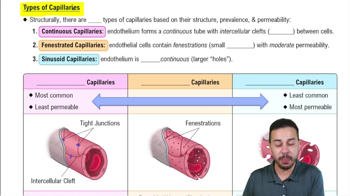
Capillary Permeability

Capillary permeability refers to the ability of blood vessel walls to allow substances, such as fluids and proteins, to pass through. During inflammation, the permeability of capillaries increases, enabling immune cells and proteins to exit the bloodstream and enter the affected tissue. This process is crucial for mounting an effective immune response.
추천 영상:
9:42
Types of Capillaries

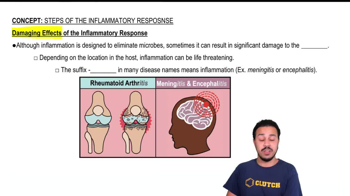
Inflammatory Response

The inflammatory response is a biological reaction to harmful stimuli, such as pathogens or injury. It involves the activation of immune cells, release of signaling molecules, and changes in blood flow and vessel permeability. This response aims to isolate and eliminate the cause of injury, clear out damaged cells, and initiate tissue repair.
추천 영상:
2:10
Damaging Effects of the Inflammatory Response

Plasma Proteins in Interstitial Fluid

Plasma proteins, such as antibodies and clotting factors, leak into the interstitial fluid during inflammation. Their presence in the tissue enhances the immune response by facilitating the recruitment of immune cells, promoting healing, and preventing infection. This leakage is a desirable outcome as it helps to contain and resolve the inflammatory process effectively.
추천 영상:
02:50
Proteins