Ch. 12 The Lymphatic System and Body Defenses
Marieb - Essentials of Human Anatomy & Physiology 13th Edition
Marieb13th EditionEssentials of Human Anatomy & PhysiologyISBN: 9780135624340당신이 사용하는 게 아니라요?교과서 변경
12장, 문제 14

Compare and contrast blood, interstitial fluid, and lymph.

검증된 단계별 안내
1
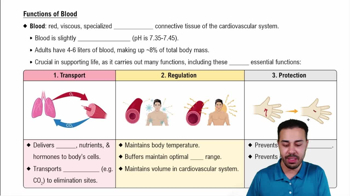
Begin by defining blood: Blood is a specialized connective tissue composed of plasma (the liquid portion) and formed elements (red blood cells, white blood cells, and platelets). It circulates within blood vessels and serves functions such as oxygen transport, nutrient delivery, waste removal, immune defense, and regulation of body temperature.
Define interstitial fluid: Interstitial fluid is the fluid that surrounds and bathes the cells in tissues. It is derived from blood plasma and serves as the medium through which nutrients, gases, and waste products are exchanged between blood and cells. It is found in the extracellular space outside blood vessels.
Define lymph: Lymph is a clear fluid that originates from interstitial fluid. It enters lymphatic vessels and is transported through the lymphatic system. Lymph contains white blood cells, particularly lymphocytes, and plays a key role in immune defense and the removal of excess interstitial fluid.
Compare the composition: Blood contains plasma, red blood cells, white blood cells, and platelets, while interstitial fluid lacks the cellular components of blood and is primarily composed of water, ions, and dissolved substances. Lymph is similar to interstitial fluid but contains more white blood cells and proteins as it passes through lymph nodes.
Contrast their functions: Blood is responsible for transport and systemic circulation, interstitial fluid facilitates local exchange between cells and blood, and lymph is involved in immune surveillance and the return of excess interstitial fluid to the bloodstream via the lymphatic system.

비슷한 문제에 대한 검증된 영상 답변:

이 영상 해법은 위 문제에 도움이 된다고 튜터들이 추천한 것입니다.
영상 길이:
4m
도움이 되었나요?

주요 개념

질문에 올바르게 답하기 위해 반드시 이해해야 하는 핵심 개념들은 다음과 같습니다.

Blood

Blood is a specialized bodily fluid that circulates through the cardiovascular system, composed of red blood cells, white blood cells, platelets, and plasma. It serves critical functions such as transporting oxygen and nutrients to tissues, removing waste products, and playing a key role in immune response and homeostasis.
추천 영상:
가이드 코스
6:11
Functions of Blood

Interstitial Fluid

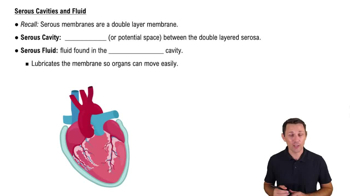
Interstitial fluid is the fluid that fills the spaces between cells in tissues, providing a medium for the exchange of nutrients, gases, and waste products between blood and cells. It is derived from blood plasma and plays a vital role in maintaining cellular environment and homeostasis.
추천 영상:
3:33
Serous Cavity and Fluid

Lymph

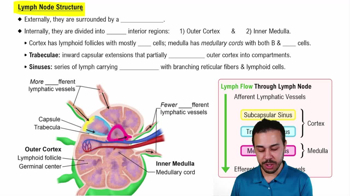
Lymph is a clear fluid that circulates through the lymphatic system, containing lymphocytes, proteins, and waste products. It is formed from interstitial fluid that enters lymphatic vessels and is crucial for immune function, as it transports immune cells and helps in the removal of toxins and pathogens from tissues.
추천 영상:
가이드 코스
10:32
Lymph Node Structure