Ch. 5 The Skeletal System
Marieb - Essentials of Human Anatomy & Physiology 13th Edition
Marieb13th EditionEssentials of Human Anatomy & PhysiologyISBN: 9780135624340당신이 사용하는 게 아니라요?교과서 변경
5장, 문제 23

Ryan, a 6-year-old child who is allergic to milk, has extremely bowed legs. What condition do you suspect, and what is the connection to not drinking milk?

검증된 단계별 안내
1
Understand the structure of the gastrointestinal (GI) tract, which is composed of four main layers. These layers are arranged in a specific order from the outermost to the innermost layer.
Recall the names and functions of the layers: (1) Serosa is the outermost layer that provides protection and reduces friction, (2) Muscularis externa is responsible for peristalsis and segmentation, (3) Submucosa contains blood vessels, nerves, and connective tissue, and (4) Mucosa is the innermost layer involved in secretion and absorption.
Identify the correct arrangement of the layers from the outermost to the innermost. The sequence is: Serosa → Muscularis externa → Submucosa → Mucosa.
Visualize the anatomical organization of the GI tract layers to reinforce understanding. The Serosa is closest to the external environment, while the Mucosa lines the lumen of the GI tract.
Apply this knowledge to similar problems or diagrams to ensure mastery of the concept of GI tract layer arrangement.

비슷한 문제에 대한 검증된 영상 답변:

이 영상 해법은 위 문제에 도움이 된다고 튜터들이 추천한 것입니다.
영상 길이:
2m
도움이 되었나요?

주요 개념

질문에 올바르게 답하기 위해 반드시 이해해야 하는 핵심 개념들은 다음과 같습니다.

Layers of the GI Tract

The gastrointestinal (GI) tract is composed of four primary layers: the serosa, muscularis externa, submucosa, and mucosa. Each layer has distinct functions, with the serosa serving as the outer protective layer, the muscularis externa facilitating movement through muscle contractions, the submucosa providing structural support and containing blood vessels, and the mucosa being the innermost layer that interacts with the lumen and absorbs nutrients.
추천 영상:
가이드 코스
02:31
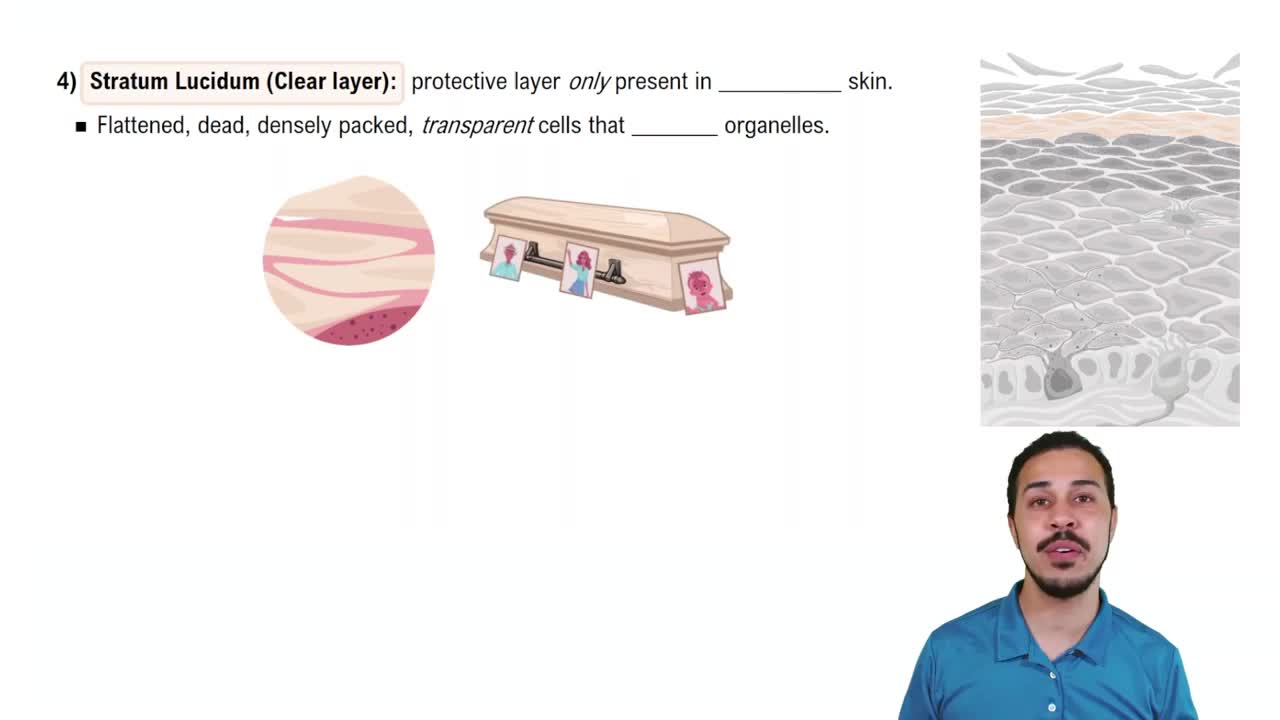
Epidermal Layers: Stratum Lucidum (Clear Layer)

Anatomical Arrangement

Understanding the anatomical arrangement of the GI tract layers is crucial for comprehending their roles in digestion and absorption. The correct order from outermost to innermost is serosa, muscularis externa, submucosa, and mucosa. This arrangement reflects how each layer contributes to the overall function of the GI tract, with the outer layers providing protection and structural integrity, while the inner layers are involved in nutrient absorption.
추천 영상:
8:11
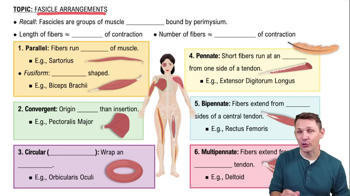
Fascicle Arrangements

Function of Each Layer

Each layer of the GI tract has specific functions that are vital for digestion. The serosa protects and anchors the GI tract, the muscularis externa is responsible for peristalsis and segmentation movements, the submucosa contains nerves and blood vessels that support the mucosa, and the mucosa is involved in secretion and absorption of nutrients. Understanding these functions helps in grasping how the GI tract operates as a whole.
추천 영상:
가이드 코스
04:52
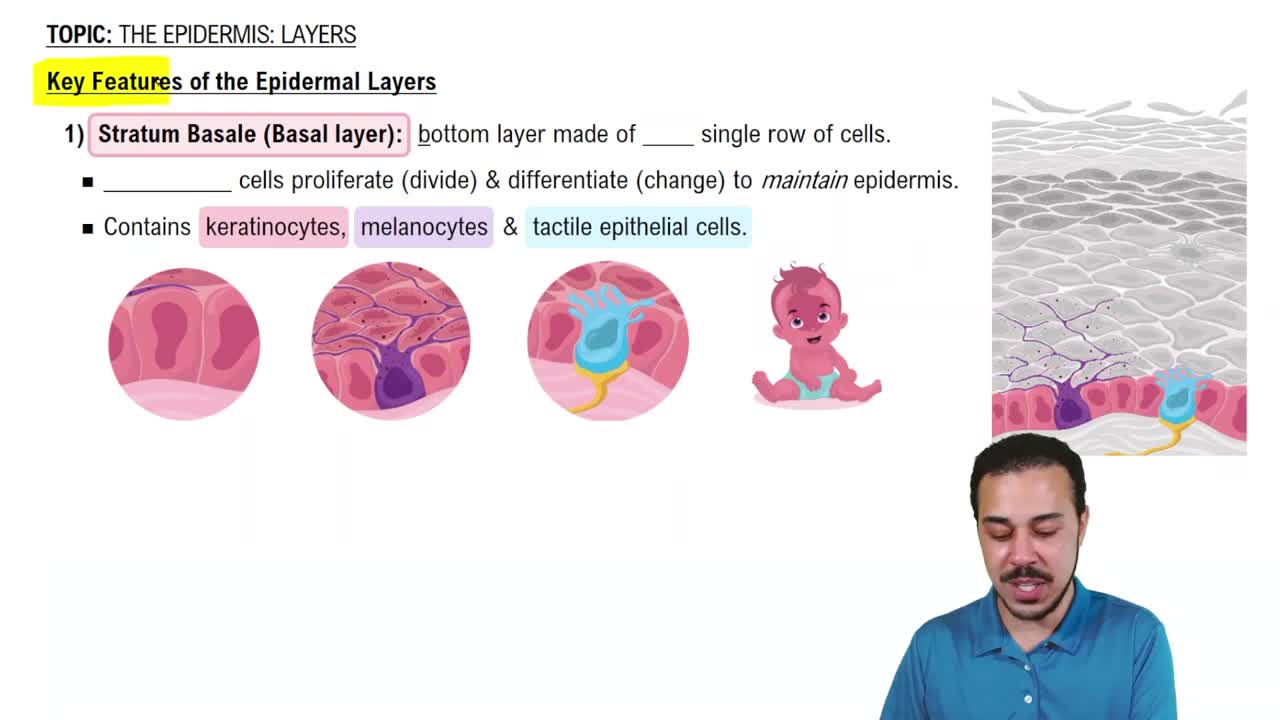
Epidermal Layers: Stratum Basale (Basal Layer)