Ch. 7 The Nervous System
Marieb - Essentials of Human Anatomy & Physiology 13th Edition
Marieb13th EditionEssentials of Human Anatomy & PhysiologyISBN: 9780135624340당신이 사용하는 게 아니라요?교과서 변경
7장, 문제 10

Motor functions of the extensor muscles of the arm, forearm, and fingers would be affected by damage to which one of these nerves?
a. Radial
b. Axillary
c. Ulnar
d. Median

검증된 단계별 안내
1
Step 1: Understand the motor functions of the extensor muscles of the arm, forearm, and fingers. Extensor muscles are responsible for extending or straightening joints, such as the elbow, wrist, and fingers.
Step 2: Identify the nerve responsible for innervating the extensor muscles. The radial nerve is the primary nerve that controls the extensor muscles in the arm, forearm, and fingers.
Step 3: Review the functions of the other nerves listed in the options: The axillary nerve primarily innervates the deltoid and teres minor muscles, the ulnar nerve controls muscles in the hand and some flexor muscles, and the median nerve is involved in flexion and pronation of the forearm and hand.
Step 4: Determine which nerve damage would affect the extensor muscles. Since the radial nerve is responsible for motor functions of the extensor muscles, damage to this nerve would impair extension movements.
Step 5: Evaluate whether any other nerves listed could also affect extensor muscles. Based on anatomical knowledge, the radial nerve is the most relevant for extensor muscle function, while the other nerves listed primarily control different muscle groups.

비슷한 문제에 대한 검증된 영상 답변:

이 영상 해법은 위 문제에 도움이 된다고 튜터들이 추천한 것입니다.
영상 길이:
3m
도움이 되었나요?

주요 개념

질문에 올바르게 답하기 위해 반드시 이해해야 하는 핵심 개념들은 다음과 같습니다.

Radial Nerve Function

The radial nerve is primarily responsible for the motor control of the extensor muscles in the arm, forearm, and hand. It innervates muscles that extend the elbow, wrist, and fingers, allowing for movements such as straightening the arm and lifting the wrist. Damage to this nerve can lead to wrist drop and difficulty in extending the fingers.
추천 영상:
06:04
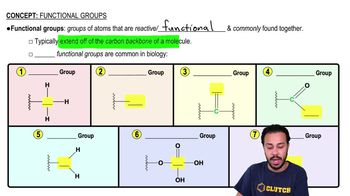
Functional Groups

Axillary Nerve Function

The axillary nerve innervates the deltoid and teres minor muscles, which are involved in shoulder abduction and external rotation. While it plays a crucial role in shoulder movement, it does not directly affect the extensor muscles of the forearm or fingers. Damage to this nerve typically results in weakness in shoulder abduction rather than issues with arm extension.
추천 영상:
06:04
Functional Groups

Ulnar and Median Nerve Functions

The ulnar and median nerves primarily control the flexor muscles of the forearm and hand, facilitating movements such as gripping and finger flexion. While they are essential for hand function, they do not innervate the extensor muscles. Damage to these nerves would affect the ability to flex the fingers and wrist rather than extend them.
추천 영상:
06:04
Functional Groups