Ch. 9 The Endocrine System
Marieb - Essentials of Human Anatomy & Physiology 13th Edition
Marieb13th EditionEssentials of Human Anatomy & PhysiologyISBN: 9780135624340당신이 사용하는 게 아니라요?교과서 변경
9장, 문제 6

More than one choice may apply.
Hypertension may result from hypersecretion of
a. Thyroxine
b. Cortisol
c. Aldosterone
d. ADH

검증된 단계별 안내
1
Step 1: Understand the physiological roles of the hormones listed in the question. Thyroxine (a) is a thyroid hormone that regulates metabolism, cortisol (b) is a stress hormone that affects glucose metabolism and blood pressure, aldosterone (c) regulates sodium and water balance, and ADH (d) controls water reabsorption in the kidneys.
Step 2: Recall how hypersecretion (excess production) of each hormone can affect blood pressure. For example, excess thyroxine can increase metabolic rate and heart rate, potentially leading to hypertension. Excess cortisol can increase blood pressure by promoting sodium retention and vasoconstriction. Excess aldosterone can lead to hypertension by increasing sodium and water retention, raising blood volume. Excess ADH can also increase blood pressure by promoting water retention.
Step 3: Evaluate the mechanisms by which each hormone contributes to hypertension. For instance, aldosterone and ADH directly affect blood volume, while cortisol influences vascular resistance and sodium retention. Thyroxine indirectly affects blood pressure through increased cardiac output.
Step 4: Consider whether multiple hormones can simultaneously contribute to hypertension. Since the question allows for more than one choice, identify all hormones whose hypersecretion could reasonably lead to elevated blood pressure based on their physiological effects.
Step 5: Review the options provided (a, b, c, d) and match them to the hormones discussed. Select all choices that align with the mechanisms described above for causing hypertension due to hypersecretion.

비슷한 문제에 대한 검증된 영상 답변:

이 영상 해법은 위 문제에 도움이 된다고 튜터들이 추천한 것입니다.
영상 길이:
2m
도움이 되었나요?

주요 개념

질문에 올바르게 답하기 위해 반드시 이해해야 하는 핵심 개념들은 다음과 같습니다.

Hypertension

Hypertension, or high blood pressure, is a condition where the force of the blood against the artery walls is consistently too high. It can lead to serious health issues, including heart disease and stroke. Understanding the physiological mechanisms that contribute to hypertension is crucial for identifying its causes and potential treatments.
추천 영상:
1:38
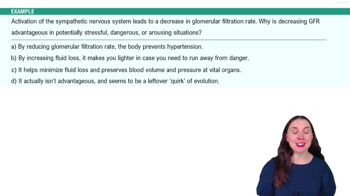
Renal Physiology: Regulation of Glomerular Filtration Example 4

Hormonal Regulation

Hormonal regulation involves the control of various physiological processes by hormones, which are chemical messengers secreted by glands in the endocrine system. Hormones such as thyroxine, cortisol, aldosterone, and ADH play significant roles in regulating blood pressure by influencing blood volume, vascular resistance, and overall fluid balance in the body.
추천 영상:
가이드 코스
13:06
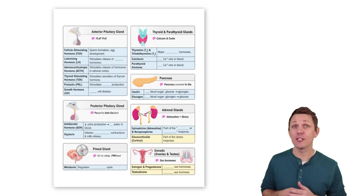
Review of Major Hormones

Endocrine Disorders

Endocrine disorders occur when there is an imbalance in hormone production, which can lead to various health issues, including hypertension. Conditions such as hyperthyroidism (excess thyroxine), Cushing's syndrome (excess cortisol), and hyperaldosteronism (excess aldosterone) can all contribute to elevated blood pressure, highlighting the importance of understanding these disorders in the context of hypertension.
추천 영상:
05:21
Autosomal Disorders