Ch. 9 The Endocrine System
Marieb - Essentials of Human Anatomy & Physiology 13th Edition
Marieb13th EditionEssentials of Human Anatomy & PhysiologyISBN: 9780135624340당신이 사용하는 게 아니라요?교과서 변경
9장, 문제 11

More than one choice may apply.
Which events occur shortly after eating?
a. Use of amino acids as a major source of energy
b. Lipogenesis (and fat deposit)
c. Breakdown of fat reserves
d. Increased uptake of glucose by skeletal muscles and other body tissues

검증된 단계별 안내
1
Understand the physiological processes that occur shortly after eating, which are primarily driven by the hormone insulin. Insulin is released by the pancreas in response to elevated blood glucose levels after a meal.
Analyze each option: (a) 'Use of amino acids as a major source of energy' is unlikely shortly after eating because the body prioritizes glucose as the primary energy source during the fed state.
Consider option (b): 'Lipogenesis (and fat deposit)' occurs shortly after eating because excess glucose and other nutrients are converted into fat for storage under the influence of insulin.
Evaluate option (c): 'Breakdown of fat reserves' does not occur shortly after eating because the body is in an anabolic state, storing energy rather than breaking down fat reserves.
Review option (d): 'Increased uptake of glucose by skeletal muscles and other body tissues' is correct because insulin promotes glucose uptake by cells, especially skeletal muscles, to lower blood glucose levels and provide energy.

비슷한 문제에 대한 검증된 영상 답변:

이 영상 해법은 위 문제에 도움이 된다고 튜터들이 추천한 것입니다.
영상 길이:
1m
도움이 되었나요?

주요 개념

질문에 올바르게 답하기 위해 반드시 이해해야 하는 핵심 개념들은 다음과 같습니다.

Postprandial Metabolism

Postprandial metabolism refers to the physiological processes that occur in the body after eating. During this period, the body shifts its focus to digesting food and utilizing nutrients, leading to increased insulin secretion, which facilitates the uptake of glucose and amino acids by cells for energy and storage.
추천 영상:
02:17
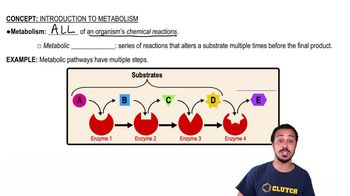
Introduction to Metabolism

Lipogenesis

Lipogenesis is the metabolic process through which excess carbohydrates and proteins are converted into fatty acids and triglycerides for storage in adipose tissue. This process is particularly active after meals when nutrient levels are high, contributing to fat deposition in the body.

Glucose Uptake

Glucose uptake is the process by which cells absorb glucose from the bloodstream, primarily facilitated by insulin. After eating, skeletal muscles and other tissues increase their glucose uptake to utilize it for energy or store it as glycogen, which is crucial for maintaining blood sugar levels and providing energy for physical activity.
추천 영상:
가이드 코스
07:25
Functions of Epithelial Tissue