Ch. 9 The Endocrine System
Marieb - Essentials of Human Anatomy & Physiology 13th Edition
Marieb13th EditionEssentials of Human Anatomy & PhysiologyISBN: 9780135624340당신이 사용하는 게 아니라요?교과서 변경
9장, 문제 12

Describe the chemical nature of hormones.

검증된 단계별 안내
1
Hormones are chemical messengers secreted by endocrine glands that regulate physiological processes in the body. They are classified based on their chemical structure into three main types: peptide hormones, steroid hormones, and amine hormones.
Peptide hormones are composed of chains of amino acids. Examples include insulin and glucagon. These hormones are water-soluble and typically bind to receptors on the surface of target cells.
Steroid hormones are derived from cholesterol and include hormones like cortisol, testosterone, and estrogen. These hormones are lipid-soluble, allowing them to pass through cell membranes and bind to intracellular receptors.
Amine hormones are derived from amino acids, specifically tyrosine or tryptophan. Examples include epinephrine, norepinephrine, and thyroid hormones. Their solubility varies; catecholamines like epinephrine are water-soluble, while thyroid hormones are lipid-soluble.
The chemical nature of hormones determines their mode of transport in the bloodstream (bound to carrier proteins or free) and their mechanism of action (surface receptor binding or intracellular receptor binding). Understanding these properties is essential for studying their physiological effects.

비슷한 문제에 대한 검증된 영상 답변:

이 영상 해법은 위 문제에 도움이 된다고 튜터들이 추천한 것입니다.
영상 길이:
2m
도움이 되었나요?

주요 개념

질문에 올바르게 답하기 위해 반드시 이해해야 하는 핵심 개념들은 다음과 같습니다.

Hormonal Classification

Hormones can be classified into three main categories: peptides, steroids, and amines. Peptide hormones are made of amino acids and are water-soluble, while steroid hormones are derived from cholesterol and are lipid-soluble. Amines are derived from single amino acids and can be either water or lipid-soluble, depending on their structure. This classification is essential for understanding how hormones interact with target cells.
추천 영상:
가이드 코스
01:19
Introduction to Classification of Joints

Mechanism of Action

Hormones exert their effects by binding to specific receptors on target cells, which can be located on the cell surface or within the cell. Water-soluble hormones typically bind to surface receptors, triggering a cascade of intracellular signaling pathways, while lipid-soluble hormones can pass through the cell membrane and directly influence gene expression. This mechanism is crucial for understanding how hormones regulate various physiological processes.
추천 영상:
03:53
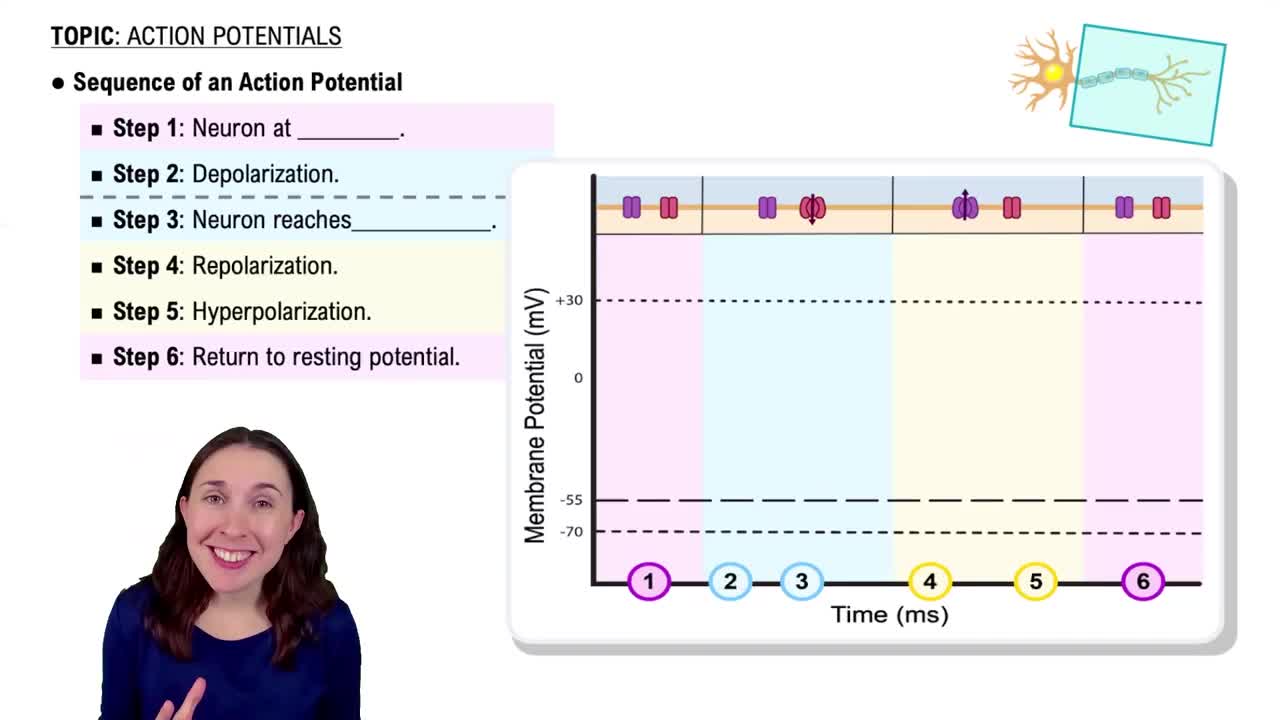
Action Potential

Feedback Mechanisms

Hormonal regulation often involves feedback mechanisms, primarily negative feedback, which helps maintain homeostasis. In negative feedback, the release of a hormone is inhibited by the effects it produces, ensuring that hormone levels remain within a specific range. This concept is vital for understanding how the endocrine system maintains balance in bodily functions, such as metabolism, growth, and stress response.
추천 영상:
02:43
Feedback Loops: Positive Feedback Example 1