Ch. 14 - Translation and Proteins
Klug - Concepts of Genetics 12th Edition
Klug12th EditionConcepts of GeneticsISBN: 9780135564776당신이 사용하는 게 아니라요?교과서 변경
14장, 문제 12

Discuss the potential difficulties of designing a diet to alleviate the symptoms of phenylketonuria.

검증된 단계별 안내
1
Understand that phenylketonuria (PKU) is a genetic disorder caused by a deficiency in the enzyme phenylalanine hydroxylase, which is necessary for converting phenylalanine to tyrosine.
Recognize that individuals with PKU must manage their intake of phenylalanine, an amino acid found in many protein-rich foods, to prevent its accumulation in the body, which can lead to neurological damage.
Consider the challenge of designing a diet that provides adequate nutrition while restricting phenylalanine intake. This involves identifying foods that are low in phenylalanine and ensuring the diet includes sufficient protein from alternative sources.
Acknowledge the difficulty in maintaining a balanced diet that supports growth and development, especially in children, while adhering to the strict dietary restrictions required for managing PKU.
Explore the potential use of medical foods and supplements that are specially formulated to provide essential nutrients without excess phenylalanine, and the importance of regular monitoring and dietary adjustments by healthcare professionals.

비슷한 문제에 대한 검증된 영상 답변:

이 영상 해법은 위 문제에 도움이 된다고 튜터들이 추천한 것입니다.
영상 길이:
1m
도움이 되었나요?

주요 개념

질문에 올바르게 답하기 위해 반드시 이해해야 하는 핵심 개념들은 다음과 같습니다.

Phenylketonuria (PKU)

Phenylketonuria is a genetic disorder caused by a deficiency in the enzyme phenylalanine hydroxylase, which is necessary for metabolizing the amino acid phenylalanine. When phenylalanine accumulates in the body, it can lead to severe neurological damage and cognitive impairment. Understanding PKU is crucial for designing dietary interventions that limit phenylalanine intake while ensuring adequate nutrition.

Dietary Management

Dietary management for PKU involves creating a low-phenylalanine diet, which typically excludes high-protein foods such as meat, dairy, and certain grains. This requires careful planning to ensure that individuals still receive essential nutrients, including proteins, vitamins, and minerals. The challenge lies in balancing the restriction of phenylalanine with the need for a nutritionally complete diet.
추천 영상:
가이드 코스
06:04
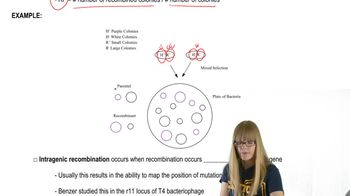
Mapping Bacteriophages

Individual Variability

Individual variability refers to the differences in metabolism, dietary preferences, and health status among people with PKU. These factors can complicate the design of a one-size-fits-all diet, as some individuals may tolerate different levels of phenylalanine. Personalization of dietary plans is essential to accommodate these differences and improve adherence to the diet, which is critical for managing PKU effectively.
추천 영상:
가이드 코스
18:27
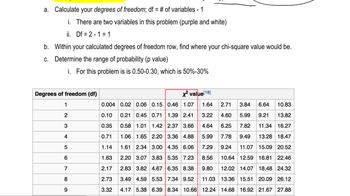
Chi Square Analysis
관련 실천
교과서 질문

What are isoaccepting tRNAs? Assuming that there are only 20 different aminoacyl tRNA synthetases but 31 different tRNAs, speculate on parameters that might be used to ensure that each charged tRNA has received the correct amino acid.

1316
views
교과서 질문
Individuals with phenylketonuria cannot convert phenylalanine to tyrosine. Why don't these individuals exhibit a deficiency of tyrosine?
1096
views
교과서 질문

When a codon in an mRNA with the sequence 5'-UAA-3' enters the A site of a ribosome, it is not recognized by a tRNA with a complementary anticodon. Why not? What recognizes it instead?

1226
views
교과서 질문
Early detection and adherence to a strict dietary regimen have prevented much of the intellectual disability that used to occur in those with phenylketonuria (PKU). Affected individuals now often lead normal lives and have families. For various reasons, such individuals tend to adhere less rigorously to their diet as they get older. Predict the effect that mothers with PKU who neglect their diets might have on newborns.
510
views
교과서 질문

To carry out its role, each transfer RNA requires at least four specific recognition sites that must be inherent in its tertiary structure. What are they?

470
views
교과서 질문

The synthesis of flower pigments is known to be dependent on enzymatically controlled biosynthetic pathways. For the crosses shown here, postulate the role of mutant genes and their products in producing the observed phenotypes:

P₁: white strain A × white strain B

F₁: all purple

F₂: 9/16purple: 7/16 white

456
views