Ch. 8 - Molecular Biology of Transcription and RNA Processing
Sanders - Genetic Analysis: An Integrated Approach 3rd Edition
Sanders3rd EditionGenetic Analysis: An Integrated ApproachISBN: 9780135564172당신이 사용하는 게 아니라요?교과서 변경
8장, 문제 8

Bacterial and eukaryotic gene transcripts can differ—in the transcripts themselves, in whether the transcripts are modified before translation, and in how the transcripts are modified. For each of these three areas of contrast, describe what the differences are and why the differences exist.

검증된 단계별 안내
1
Identify the differences in the structure of bacterial and eukaryotic gene transcripts: Bacterial transcripts are often polycistronic, meaning they can encode multiple proteins, whereas eukaryotic transcripts are typically monocistronic, encoding a single protein.
Discuss the modification of transcripts before translation: In bacteria, transcripts are usually not modified before translation, while in eukaryotes, transcripts undergo several modifications such as 5' capping, 3' polyadenylation, and splicing to remove introns.
Explain the purpose of these modifications: In eukaryotes, modifications like 5' capping and polyadenylation help stabilize the mRNA and facilitate its export from the nucleus, while splicing allows for the generation of multiple protein variants from a single gene.
Explore the reasons for these differences: The differences in transcript structure and modification between bacteria and eukaryotes are largely due to the complexity of eukaryotic cells, which have a nucleus and require more regulation and processing of mRNA.
Summarize the impact of these differences on gene expression: The modifications in eukaryotic transcripts allow for greater regulation and diversity in gene expression, which is necessary for the complex functions and development of multicellular organisms.

비슷한 문제에 대한 검증된 영상 답변:

이 영상 해법은 위 문제에 도움이 된다고 튜터들이 추천한 것입니다.
영상 길이:
4m
도움이 되었나요?

주요 개념

질문에 올바르게 답하기 위해 반드시 이해해야 하는 핵심 개념들은 다음과 같습니다.

Gene Transcription

Gene transcription is the process by which the genetic information encoded in DNA is copied into messenger RNA (mRNA). In bacteria, transcription occurs in the cytoplasm and is often coupled with translation, while in eukaryotes, transcription takes place in the nucleus, allowing for more complex regulation and processing of the mRNA before it is translated into proteins.
추천 영상:
가이드 코스
09:16
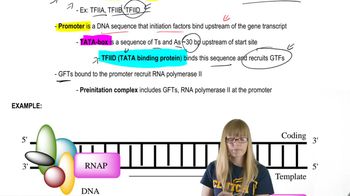
Eukaryotic Transcription

RNA Processing

RNA processing refers to the modifications that eukaryotic pre-mRNA undergoes before it becomes mature mRNA. This includes capping, polyadenylation, and splicing, which are not present in bacterial transcripts. These modifications are essential for mRNA stability, export from the nucleus, and efficient translation, reflecting the more complex cellular organization of eukaryotes.
추천 영상:
가이드 코스
08:39
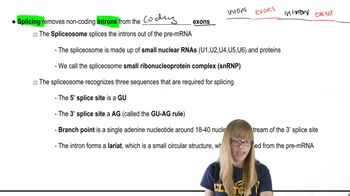
mRNA Processing

Post-Transcriptional Regulation

Post-transcriptional regulation involves the control of gene expression at the RNA level, influencing how much protein is produced from a given mRNA transcript. In eukaryotes, this regulation can occur through mechanisms such as alternative splicing and RNA interference, which are less common in bacteria. These differences arise from the need for eukaryotic cells to finely tune gene expression in response to various developmental and environmental signals.
추천 영상:
가이드 코스
04:30
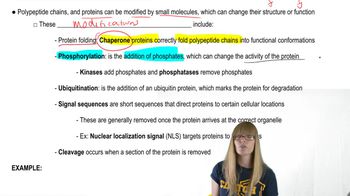
Post Translational Modifications