Ch.12 Food as Fuel An Overview of Metabolism
Frost - General, Organic and Biological Chemistry 4th Edition
Frost4th EditionGeneral, Organic and Biological ChemistryISBN: 9780134988696당신이 사용하는 게 아니라요?교과서 변경
8장, 문제 13

Using abbreviations (not structures), write the reaction of flavin adenine dinucleotide that gives off energy (–∆G) .

검증된 단계별 안내
1
Identify the chemical reaction involving flavin adenine dinucleotide (FAD). FAD is a coenzyme that participates in redox reactions, typically being reduced to FADH₂ during energy-yielding processes.
Understand that the reaction giving off energy (negative ∆G) involves the oxidation of FADH₂ back to FAD. This process releases energy as electrons are transferred to the electron transport chain.
Write the reaction in abbreviated form: FADH2FAD+2H+2e-. This represents the oxidation of FADH₂, releasing protons and electrons.
Recognize that the electrons released during this reaction are transferred to the electron transport chain, where they contribute to the generation of ATP, the energy currency of the cell.
Note that the negative ∆G indicates that this reaction is exergonic, meaning it releases energy that can be harnessed for cellular processes.

비슷한 문제에 대한 검증된 영상 답변:

이 영상 해법은 위 문제에 도움이 된다고 튜터들이 추천한 것입니다.
영상 길이:
4m

주요 개념

질문에 올바르게 답하기 위해 반드시 이해해야 하는 핵심 개념들은 다음과 같습니다.

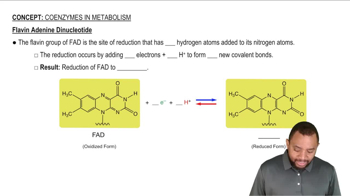
Flavin Adenine Dinucleotide (FAD)

FAD is a redox cofactor involved in various metabolic reactions, particularly in the electron transport chain. It exists in two forms: oxidized (FAD) and reduced (FADH2). The conversion between these forms is crucial for energy production in cellular respiration, as FADH2 can donate electrons to the electron transport chain, leading to ATP synthesis.
추천 영상:
가이드 코스
1:05
Flavin Adenine Dinucleotide Concept 3

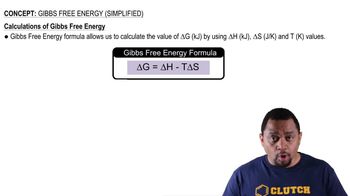
Gibbs Free Energy (∆G)

Gibbs Free Energy (∆G) is a thermodynamic quantity that indicates the spontaneity of a reaction. A negative ∆G value (―∆G) signifies that a reaction releases energy and can occur spontaneously. Understanding ∆G is essential for predicting whether a biochemical reaction, such as the reduction of FAD to FADH2, will proceed under physiological conditions.
추천 영상:
가이드 코스
01:04
Gibbs Free Energy (Simplified) Concept 3

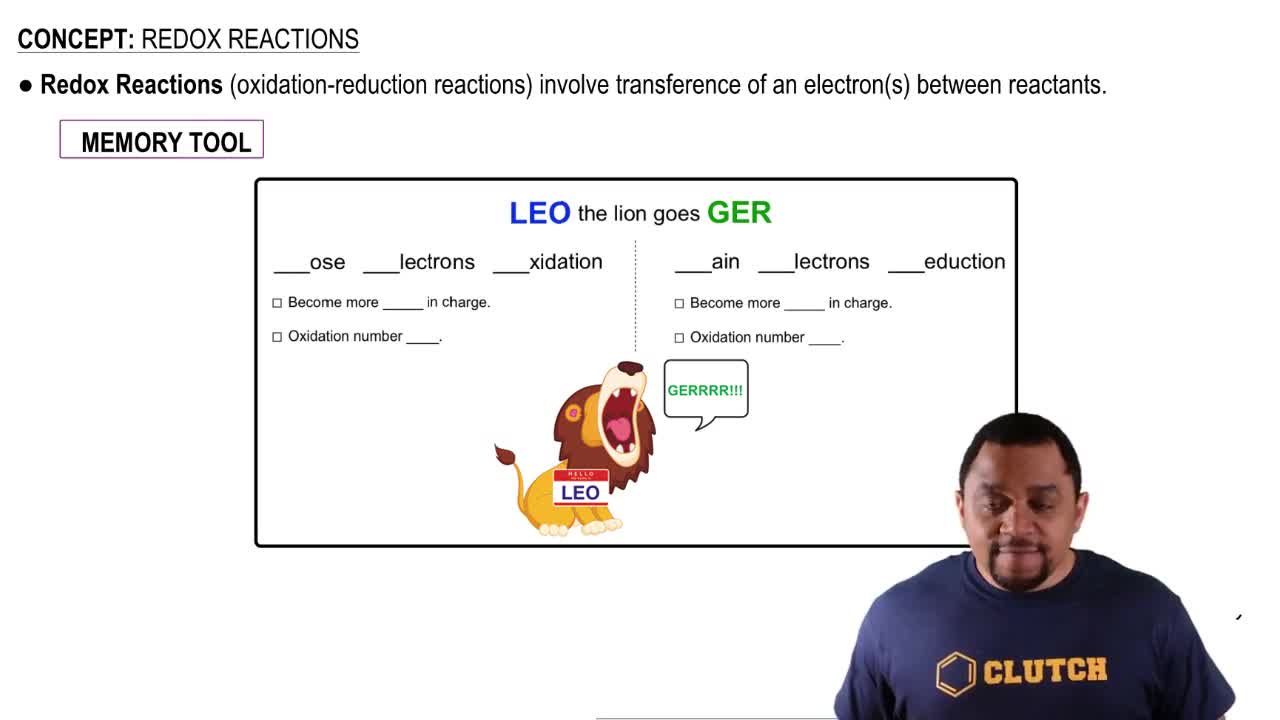
Redox Reactions

Redox reactions involve the transfer of electrons between molecules, resulting in changes in oxidation states. In the context of FAD, it acts as an electron acceptor in oxidation reactions, becoming reduced to FADH2. These reactions are fundamental in metabolic pathways, as they facilitate energy release and storage, contributing to the overall energy balance in cells.
추천 영상:
가이드 코스
01:53
Redox Reactions