Ch. 19 - Pathogenic Gram-Positive Bacteria
Bauman - Microbiology with Diseases by Taxonomy 6th Edition
Bauman6th EditionMicrobiology with Diseases by TaxonomyISBN: 9780134832302당신이 사용하는 게 아니라요?교과서 변경
19장, 문제 8

The bacterium causing pseudomembranous colitis is
a. Clostridium difficile
b. Streptococcus pyogenes
c. Mycobacterium avium-intracellulare
d. Corynebacterium diphtheriae

검증된 단계별 안내
1
Step 1: Understand the disease pseudomembranous colitis, which is an inflammation of the colon characterized by the formation of pseudomembranes on the colon lining, often associated with antibiotic use.
Step 2: Recall that pseudomembranous colitis is primarily caused by a bacterial infection that produces toxins leading to colonic inflammation.
Step 3: Review the options given: a) Clostridium difficile, b) Streptococcus pyogenes, c) Mycobacterium avium-intracellulare, d) Corynebacterium diphtheriae.
Step 4: Identify that Clostridium difficile is a spore-forming, anaerobic bacterium known to cause antibiotic-associated diarrhea and pseudomembranous colitis by producing enterotoxins.
Step 5: Conclude that among the options, Clostridium difficile is the bacterium responsible for pseudomembranous colitis.

비슷한 문제에 대한 검증된 영상 답변:

이 영상 해법은 위 문제에 도움이 된다고 튜터들이 추천한 것입니다.
영상 길이:
2m
도움이 되었나요?

주요 개념

질문에 올바르게 답하기 위해 반드시 이해해야 하는 핵심 개념들은 다음과 같습니다.

Pseudomembranous Colitis

Pseudomembranous colitis is an inflammation of the colon characterized by the formation of pseudomembranes on the intestinal lining. It typically occurs after antibiotic use disrupts normal gut flora, allowing pathogenic bacteria to overgrow and cause severe diarrhea and colonic damage.

Clostridium difficile

Clostridium difficile is a Gram-positive, spore-forming anaerobic bacterium known to cause antibiotic-associated diarrhea and pseudomembranous colitis. It produces toxins that damage the intestinal mucosa, leading to inflammation and the characteristic pseudomembranes.
추천 영상:
가이드 코스
03:15
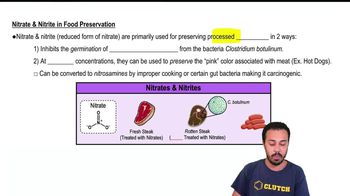
Nitrate & Nitrite in Food Preservation

Differentiation of Bacterial Pathogens

Understanding the specific diseases caused by different bacteria is essential in microbiology. For example, Streptococcus pyogenes causes strep throat, Mycobacterium avium-intracellulare is linked to opportunistic infections in immunocompromised patients, and Corynebacterium diphtheriae causes diphtheria, not colitis.
추천 영상:
가이드 코스
03:27
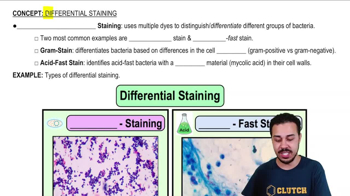
Differential Staining