Ch. 9 - Controlling Microbial Growth in the Environment
Bauman - Microbiology with Diseases by Taxonomy 6th Edition
Bauman6th EditionMicrobiology with Diseases by TaxonomyISBN: 9780134832302당신이 사용하는 게 아니라요?교과서 변경
9장, 문제 3

Why is it necessary to use strong disinfectants in areas exposed to tuberculosis patients?

검증된 단계별 안내
1
Understand that tuberculosis (TB) is caused by Mycobacterium tuberculosis, a bacterium with a unique cell wall rich in mycolic acids, which makes it highly resistant to many common disinfectants and environmental stresses.
Recognize that because of this waxy, lipid-rich cell wall, Mycobacterium tuberculosis can survive longer on surfaces and is less susceptible to weaker disinfectants that might easily kill other bacteria.
Identify that strong disinfectants, such as those containing phenolics, chlorine compounds, or aldehydes, have the chemical properties necessary to penetrate the mycolic acid layer and effectively kill the TB bacteria.
Consider that in areas exposed to TB patients, the risk of transmission through contaminated surfaces or instruments is high, so using strong disinfectants ensures a higher level of microbial control and reduces the chance of infection spread.
Conclude that the necessity of strong disinfectants is directly related to the resilient nature of Mycobacterium tuberculosis and the critical need to prevent nosocomial (hospital-acquired) infections in vulnerable environments.

비슷한 문제에 대한 검증된 영상 답변:

이 영상 해법은 위 문제에 도움이 된다고 튜터들이 추천한 것입니다.
영상 길이:
1m
도움이 되었나요?

주요 개념

질문에 올바르게 답하기 위해 반드시 이해해야 하는 핵심 개념들은 다음과 같습니다.

Mycobacterium tuberculosis Characteristics

Mycobacterium tuberculosis, the bacterium causing tuberculosis, has a unique waxy cell wall rich in mycolic acids, making it highly resistant to many common disinfectants and environmental stresses. This resilience necessitates the use of strong disinfectants to effectively kill or inactivate the pathogen in contaminated areas.
추천 영상:
가이드 코스
05:09
Intro to Characteristics of Infectious Disease

Disinfectant Efficacy and Spectrum

Disinfectants vary in their ability to kill different types of microorganisms. Strong disinfectants, such as those containing phenolics, chlorine compounds, or aldehydes, have a broad spectrum and can penetrate tough bacterial cell walls, ensuring effective elimination of hardy pathogens like M. tuberculosis.
추천 영상:
가이드 코스
04:29
Electromagnetic Spectrum

Infection Control in Healthcare Settings

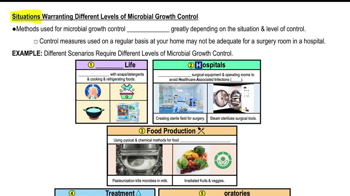
In areas exposed to tuberculosis patients, rigorous infection control is critical to prevent disease transmission. Using strong disinfectants reduces the risk of environmental contamination and protects healthcare workers and other patients by ensuring that surfaces and instruments are free from viable tuberculosis bacteria.
추천 영상:
가이드 코스
05:58
Situations Warranting Different Levels of Microbial Growth Control