 뒤로
뒤로Nutrition, Wellness, and Food Safety: Study Notes for College Nutrition Students
스터디 가이드 - 스마트 노트
 자료에 맞춘 맞춤형 노트, 핵심 정의, 예시, 맥락을 확장해 제공합니다.
Achieving Optimal Health: Wellness and Nutrition
Nutrition and Health
Nutrition is a foundational aspect of overall wellness, influencing physical, mental, and emotional health. Making informed dietary choices and practicing mindful eating are essential for achieving optimal health.
Mindful Eating: Involves being aware of the food you eat, savoring flavors, and recognizing hunger and fullness cues.
Dietary Supplements: Products taken to add nutrients to the diet, but food should remain the primary source of nutrition due to its complex nutrient package.
Functional Foods: Foods that provide health benefits beyond basic nutrition, such as fortified cereals or probiotic yogurts.
Types of Functional Foods:
Conventional foods: Whole, unmodified foods (e.g., fruits, vegetables).
Modified foods: Fortified, enriched, or enhanced foods (e.g., vitamin D milk).
Medical foods: Specially formulated for dietary management of diseases, used under medical supervision.
Special dietary use foods: Designed for specific dietary needs (e.g., gluten-free bread).

Dietary Food Trends
Modern dietary trends emphasize whole, minimally processed foods and holistic approaches to nutrition. Evidence-based diets can help manage or prevent chronic diseases.
Holistic Nutrition: Focuses on the interconnectedness of physical, social, spiritual, and mental health, emphasizing unrefined, organic foods.
DASH Diet: Designed to reduce high blood pressure by lowering sodium intake and increasing consumption of fruits, vegetables, and low-fat dairy.
Mediterranean Diet: Emphasizes plant-based foods, healthy fats (like olive oil), and limits processed foods and red meat.
Gluten-Free Diet: Essential for individuals with celiac disease; focuses on naturally gluten-free foods such as fruits, vegetables, and rice.
Low-Carb Diets: (e.g., Atkins, Paleo, Ketogenic) Limit carbohydrate intake to promote weight loss.
Vegetarian and Vegan Diets: Plant-based diets that can reduce the risk of chronic diseases and support sustainable agriculture.
Food Supplements and Food Replacements
Supplements can provide nutrients that may be lacking in the diet, but they should not replace whole foods. Overuse can lead to toxicity or interact with medications.
Types of Supplements: Macronutrients, micronutrients, probiotics, herbal supplements.
Food First Principle: Whole foods provide nutrients in their natural, most beneficial form.
Fitness and Health
Essential Elements of Physical Fitness
Physical fitness is crucial for health and includes several key components that contribute to overall well-being.
Cardiorespiratory Endurance: The ability of the cardiovascular and respiratory systems to supply oxygen during sustained physical activity.
Muscle Strength and Endurance: Strength is the ability to exert force; endurance is the ability to sustain repeated contractions.
Flexibility: The range of motion around a joint, improved by activities like yoga, tai chi, and stretching.

Metabolic Fitness
Metabolic fitness refers to the body's efficiency in managing energy and burning calories, both at rest and during activity.
Resting Metabolic Rate (RMR): The energy required to maintain basic physiological functions at rest.
Physical Activity: Increases calorie expenditure and supports weight management.
Benefits of Physical Activity
Regular exercise provides numerous physical, mental, and emotional benefits.
Physical Benefits: Increased lifespan, reduced risk of cardiovascular disease, stronger bones, and better management of chronic conditions.
Mental and Emotional Benefits: Improved mood, reduced depression risk, enhanced cognitive function, and better sleep quality.
Threats to Health: Chronic Diseases
Chronic Diseases and Nutrition
Chronic diseases are long-term health conditions often influenced by genetics, lifestyle, and environmental factors. Nutrition plays a key role in prevention and management.
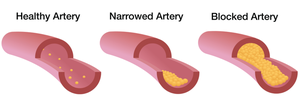
Cardiovascular Disease: Leading cause of death; risk reduced by lowering sodium, increasing fiber, and limiting saturated fat.
Hypertension: Chronic high blood pressure; managed by physical activity, reduced sodium, moderate alcohol, and the DASH diet.
Cancer: Caused by genetic mutations; risk reduced by physical activity, plant-based diets, and maintaining healthy weight.
Diabetes: Includes type 1, type 2, and gestational diabetes; managed by healthy diet and regular activity.
Foodborne Illness and Food Safety
Major Types of Foodborne Illness
Foodborne illnesses are caused by pathogens, toxins, and chemical contaminants. Understanding the conditions that promote microbial growth is essential for food safety.
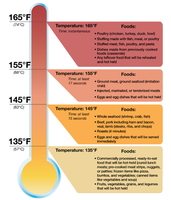
Temperature: Bacteria grow rapidly between 40°F and 140°F (the "danger zone").
Time: Foods left in the danger zone for more than two hours are at risk.
Water: High moisture foods (e.g., fresh produce) support microbial growth.
Oxygen: Most microbes need oxygen, but some are anaerobic.
Acidity: Most bacteria grow best at neutral pH; few grow below pH 4.0.
Nutrient Content: High-protein foods are especially susceptible.
Causes of Food Contamination
Food contamination can result from bacteria, viruses, parasites, molds, and chemical agents.
Bacteria: Salmonella is a common cause of foodborne illness.
Viruses: Norovirus is a leading cause of viral foodborne illness.
Parasites: Protozoa such as Anisakis and Giardia lamblia can contaminate food and water.

Molds: Some molds are safe (e.g., in blue cheese), but others produce harmful toxins like aflatoxins.
Mushrooms: Poisonous varieties produce mycotoxins causing food intoxication.
Chemical Contaminants: Pesticide residues and pollutants can be harmful if ingested.

Food Safety Practices
Government agencies and consumers both play roles in ensuring food safety. Following proper food handling and cooking guidelines reduces the risk of illness.
Government Agencies:
CDC: Tracks outbreaks and recommends prevention strategies.
FDA: Regulates safety of domestic and imported foods.
USDA: Oversees meat and poultry safety.
Health Canada: Monitors contaminants and consumer exposure.
Consumer Precautions:
Clean: Wash hands, surfaces, and produce thoroughly.
Separate: Avoid cross-contamination by using separate utensils and storage for raw and cooked foods.
Cook: Heat foods to safe internal temperatures using a food thermometer.
Chill: Refrigerate leftovers promptly and thaw foods safely.
Careers in Nutrition
Professional Roles in Nutrition
Nutrition offers diverse career opportunities in healthcare, public health, sports, and private practice. Credentials and education vary by role.
Registered Dietitian Nutritionist (RDN): Credentialed healthcare professional providing nutritional care and counseling.
Nutritionist: May or may not have formal credentials; roles and qualifications vary.
Career Settings: Government, private sector, sports nutrition, clinical practice, and more.

Summary Table: Foodborne Illness from Bacteria
Bacterium | Common Food Sources | Symptoms | Prevention |
|---|---|---|---|
Salmonella | Poultry, eggs, dairy, produce | Diarrhea, fever, abdominal cramps | Cook foods thoroughly, avoid cross-contamination |
Escherichia coli (E. coli) | Ground beef, raw milk, produce | Severe stomach cramps, diarrhea, vomiting | Cook meat thoroughly, wash produce |
Listeria monocytogenes | Deli meats, unpasteurized dairy | Fever, muscle aches, gastrointestinal symptoms | Refrigerate foods, avoid unpasteurized products |
Campylobacter | Poultry, unpasteurized milk, water | Diarrhea, cramping, fever | Cook poultry, avoid raw milk |
Additional info: Table entries inferred from standard food safety sources. |
