Back

Chemical Reactions definitions

Control buttons has been changed to "navigation" mode.
1/14
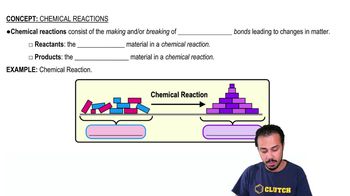
  • Chemical Reaction

    Process involving the making or breaking of chemical bonds, transforming starting materials into new substances.
  • Reactant

    Starting material or ingredient present at the beginning of a chemical process, found before the reaction arrow.
  • Product

    Substance formed as a result of a chemical process, present at the end of the reaction arrow.
  • Chemical Bond

    Connection between atoms that can be made or broken during chemical transformations, altering matter.
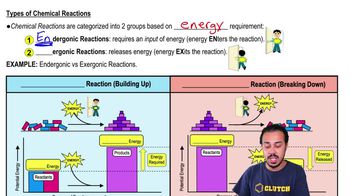
  • Endergonic Reaction

    Type of process requiring energy input, resulting in products with higher potential energy than the starting materials.
  • Exergonic Reaction

    Type of process that releases energy, producing substances with lower potential energy than the initial materials.
  • Potential Energy

    Stored energy within molecules, which can increase or decrease during chemical transformations.
  • Energy Requirement

    Amount and direction of energy flow needed for a chemical process to proceed, distinguishing reaction types.
  • Building Block

    Basic molecular unit that can be assembled into larger structures or broken into smaller pieces during reactions.
  • Complex Molecule

    Larger, more organized structure formed from smaller units, often as a result of energy input.
  • Breakdown

    Process where larger molecules are separated into smaller components, often releasing energy.
  • Synthesis

    Assembly of smaller units into a larger, more complex structure, typically requiring energy input.
  • Energy Release

    Transfer of energy from a system to its environment, commonly observed in exergonic processes.
  • Energy Input

    Addition of energy into a system, necessary for building larger molecules in certain reactions.