Back

Fermentation & Anaerobic Respiration definitions

Control buttons has been changed to "navigation" mode.
1/15
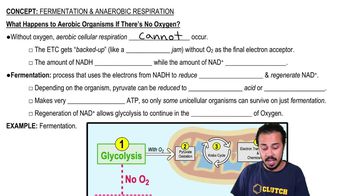
  • Fermentation

    A process enabling glycolysis to continue without oxygen by regenerating NAD+ from NADH, yielding minimal ATP and producing lactic acid or ethanol.
  • Anaerobic Respiration

    A pathway using molecules like nitrate or sulfate as final electron acceptors in the electron transport chain, generating more ATP than fermentation.
  • Glycolysis

    A metabolic pathway breaking down glucose into pyruvate, producing a small amount of ATP and NADH, and functioning with or without oxygen.
  • NAD+

    An electron carrier molecule essential for glycolysis, regenerated during fermentation to allow continued ATP production in the absence of oxygen.
  • NADH

    A reduced electron carrier formed during glycolysis, donating electrons in fermentation or respiration to regenerate NAD+ or drive ATP synthesis.
  • Pyruvate

    The end product of glycolysis, serving as a substrate for fermentation or further oxidation in respiration depending on oxygen availability.
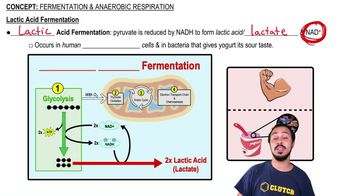
  • Lactic Acid Fermentation

    A process reducing pyruvate to lactic acid, regenerating NAD+ and allowing glycolysis to continue, occurring in muscle cells and certain bacteria.
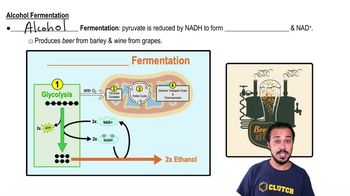
  • Alcohol Fermentation

    A pathway converting pyruvate to ethanol and CO2, regenerating NAD+ for glycolysis, commonly used in brewing and winemaking.
  • Electron Transport Chain

    A series of protein complexes transferring electrons to a final acceptor, generating ATP; stalls without oxygen unless alternative acceptors are used.
  • Final Electron Acceptor

    A molecule receiving electrons at the end of the electron transport chain, such as oxygen, nitrate, or sulfate, determining the type of respiration.
  • ATP

    The primary energy currency of cells, produced in varying amounts by glycolysis, fermentation, and respiration depending on oxygen and pathways used.
  • Lactic Acid

    A product of lactic acid fermentation, responsible for muscle fatigue and the sour taste in yogurt, formed when pyruvate is reduced.
  • Ethanol

    An alcohol produced during alcohol fermentation, serving as a metabolic end product in yeast and some bacteria, and used in beverages.
  • Nitrate

    An alternative final electron acceptor in anaerobic respiration, enabling ATP production without oxygen in certain prokaryotes.
  • Sulfate

    A molecule that can serve as a final electron acceptor in anaerobic respiration, supporting energy generation in some microorganisms.