Back

First-Line Defenses: Normal Microflora definitions

Control buttons has been changed to "navigation" mode.
1/13
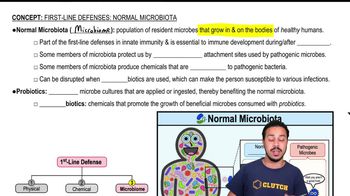
  • Normal Microbiota

    Population of resident microbes living in and on healthy humans, crucial for innate immune defense and development.
  • Microbiome

    Collection of all microbial communities inhabiting the human body, acting as a protective barrier against pathogens.
  • Innate Immunity

    Non-specific defense system present from birth, providing immediate protection against invading microbes.
  • First Line of Defense

    Initial barrier preventing pathogen entry, including physical, chemical, and microbial components like the microbiota.
  • Pathogenic Microbes

    Disease-causing microorganisms that attempt to invade and colonize the human body.
  • Attachment Sites

    Specific locations on host tissues where microbes can adhere, often targeted by pathogens to initiate infection.
  • Toxic Chemicals

    Substances produced by certain microbes that inhibit or kill pathogenic bacteria, enhancing host protection.
  • Antibiotics

    Medications that kill or inhibit bacteria, but can disrupt beneficial microbial populations and increase infection risk.
  • Susceptibility

    Increased likelihood of infection due to weakened or disrupted protective barriers, such as the microbiota.
  • Probiotics

    Live microbial cultures ingested or applied to support and restore beneficial microbial communities.
  • Prebiotics

    Chemicals consumed to promote the growth and activity of beneficial microbes within the body.
  • Immune Development

    Process by which the body's defense mechanisms mature, influenced by exposure to resident microbes during and after birth.
  • Protective Barrier

    Physical or biological shield, such as the microbiome, that prevents pathogen colonization and infection.