Back

Liquid Chemicals: Halogens definitions

Control buttons has been changed to "navigation" mode.
1/15
  • Halogen

    Highly reactive oxidizing agent capable of damaging proteins and cell components, commonly used to control microbial growth.
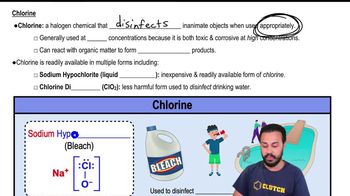
  • Chlorine

    Potent disinfectant halogen used at low concentrations to sanitize surfaces, water, and swimming pools; toxic at high levels.
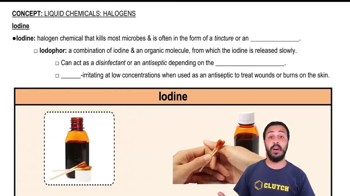
  • Iodine

    Halogen effective against most microbes, available as tincture or iodophor, used for disinfection and antisepsis.
  • Oxidizing Agent

    Substance that causes other molecules to lose electrons, leading to cellular damage in microbes.
  • Disinfectant

    Chemical used to eliminate or reduce harmful microbes on inanimate objects and surfaces.
  • Antiseptic

    Substance applied to living tissue to reduce infection risk by killing or inhibiting microbes.
  • Sodium Hypochlorite

    Inexpensive, liquid bleach form of chlorine, widely available for surface disinfection.
  • Chlorine Dioxide

    Less harmful chlorine form, used primarily to disinfect drinking water safely.
  • Tincture

    Alcohol-based solution containing a chemical, often more irritating to skin when used with iodine.
  • Iodophor

    Complex of iodine and organic molecule, releases iodine slowly, minimizing skin irritation during antiseptic use.
  • Carcinogenic Product

    Compound formed when chlorine reacts with organic matter, potentially contributing to cancer development.
  • Concentration

    Amount of chemical present in a solution, determining effectiveness and safety in microbial control.
  • Microbial Growth

    Increase in the number of microorganisms, targeted for control by halogen-based chemicals.
  • Corrosive

    Property of a substance that can damage or destroy other materials, especially at high concentrations.
  • Organic Matter

    Material derived from living organisms that can react with chlorine to form harmful byproducts.