Back

Pattern Recognition Receptors (PRRs) definitions

Control buttons has been changed to "navigation" mode.
1/15
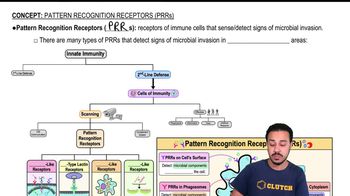
  • Pattern Recognition Receptors

    Cellular sensors on immune cells that detect molecular signs of microbes or cell damage, triggering innate immune responses.
  • Toll-like Receptors

    Membrane-embedded sensors on immune cells that recognize microbial patterns outside or inside the cell, initiating cytokine release.
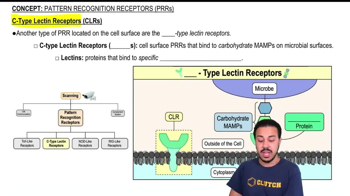
  • C-type Lectin Receptors

    Cell surface proteins that bind to carbohydrate structures on microbes, leading to immune activation.
  • NOD-like Receptors

    Cytoplasmic proteins in immune cells that sense intracellular microbial or damage signals, forming inflammasomes.
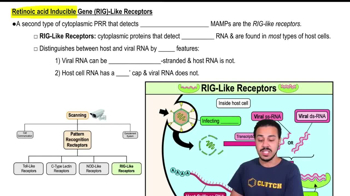
  • RIG-like Receptors

    Cytoplasmic proteins that detect viral RNA by recognizing unique features absent in host RNA, triggering interferon responses.
  • MAMPs

    Molecular patterns found on microbes, such as LPS or flagellin, recognized by immune sensors as signs of microbial presence.
  • PAMPs

    Molecular signatures specific to pathogens, often used interchangeably with MAMPs, alerting immune cells to infection.
  • DAMPs

    Host-derived molecules released during cell damage, signaling immune cells to respond to tissue injury.
  • Cytoplasmic Receptors

    Intracellular proteins that sense microbial or damage signals within the cell, distinct from membrane-bound sensors.
  • Endosome

    Membrane-bound compartment formed by endocytosis, housing ingested material and certain immune sensors.
  • Phagosome

    Vesicle formed around particles engulfed by phagocytosis, containing embedded immune sensors for internalized microbes.
  • Inflammasome

    Multiprotein complex formed in the cytoplasm upon danger detection, activating pro-inflammatory cytokine production.
  • Cytokine

    Signaling molecule released by immune cells upon detection of danger, orchestrating inflammation and immune responses.
  • Lectin

    Protein domain within certain immune receptors that specifically binds to carbohydrate structures on microbial surfaces.
  • Flagellin

    Protein component of bacterial flagella, recognized as a microbial signature by immune sensors.