Choose three commonly used physical methods for sterilization.
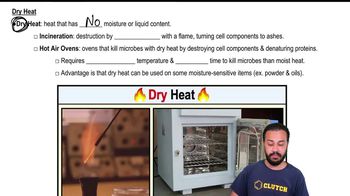
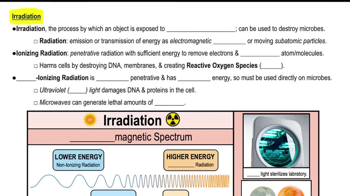
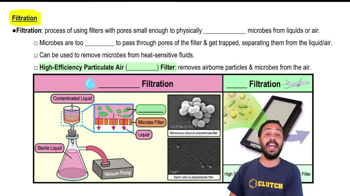
Three commonly used physical methods for sterilization are moist heat (such as autoclaving), dry heat (such as incineration or hot air ovens), and filtration. These methods effectively destroy or remove microbes to achieve sterilization.
What is the main difference between dry heat and moist heat in terms of their effectiveness at killing microbes?
Moist heat is generally more effective than dry heat because it requires lower temperatures and less time to kill microbes, while dry heat needs higher temperatures and longer exposure.
Why is dry heat preferred over moist heat for sterilizing powders and oils?
Dry heat is preferred because powders and oils are moisture-sensitive and may be altered or damaged by moist heat, which is not compatible with these items.
What is the purpose of pasteurization and who discovered it?
Pasteurization is used to briefly heat products like milk or wine to disinfect them and make them safe for consumption without significantly changing their properties; it was discovered by Louis Pasteur.
How does the ultra high temperature (UHT) pasteurization method differ from the high temperature short time (HTST) method?
UHT uses much higher temperatures (around 280°C for 3 seconds) and can sterilize products, while HTST uses lower temperatures (about 165°C for 15 seconds) and does not sterilize, leaving some microbes behind.
What is the main limitation of using low temperatures like refrigeration and freezing to control microbial growth?
Low temperatures slow or inhibit microbial growth but do not necessarily kill microbes, so growth can resume once the item is thawed or warmed.
How does desiccation inhibit microbial growth?
Desiccation removes moisture from the environment or product, which inhibits microbial growth since most microbes require water to grow effectively.
What is lyophilization and how does it preserve food quality?
Lyophilization is freeze-drying, which removes water from products via sublimation in a vacuum, preserving food quality better than typical drying methods and allowing storage without refrigeration.
What is a HEPA filter and what is its primary use?
A HEPA filter is a high efficiency particulate air filter used to remove airborne particles and microbes from the air, commonly found in places like airplanes.
Why might high pressure processing (HPP) not achieve complete sterilization of a product?
HPP may not sterilize completely because some microbes, such as endospores, can tolerate extremely high pressures and survive the process.