Back

Regulatory T Cells definitions

Control buttons has been changed to "navigation" mode.
1/12
  • Regulatory T Cells

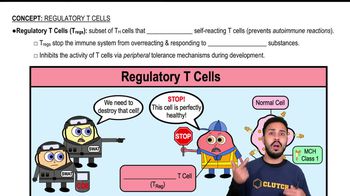
    A subset of helper T cells specialized in suppressing immune responses to prevent damage to healthy tissues.
  • Tregs

    Cells that act as immune system moderators, ensuring self-tolerance and preventing autoimmune reactions.
  • Helper T Cells

    Immune cells that coordinate responses, with some subsets promoting and others inhibiting immune activity.
  • Cytotoxic T Cells

    Immune cells responsible for targeting and destroying infected or abnormal cells.
  • Immune Response

    A coordinated reaction of immune cells to eliminate perceived threats, which can be regulated to avoid self-damage.
  • Autoimmune Reactions

    Immune system attacks directed against the body's own healthy cells, leading to tissue damage.
  • Peripheral Tolerance

    Mechanisms outside the thymus that prevent immune cells from attacking self-antigens during development.
  • Self Cells

    Body's own healthy cells that should not be targeted by the immune system under normal conditions.
  • MHCs

    Molecules on cell surfaces presenting protein fragments, helping immune cells distinguish self from non-self.
  • Neutrophils

    A type of white blood cell involved in early immune defense, sometimes depicted alongside T cells in immune responses.
  • Immune System Balance

    A state where immune responses are strong enough to fight threats but restrained to avoid harming healthy tissues.
  • Harmless Substances

    Non-threatening molecules or cells that should not provoke an immune response, such as normal proteins on self cells.