Back

The Human Microbiome definitions

Control buttons has been changed to "navigation" mode.
1/15
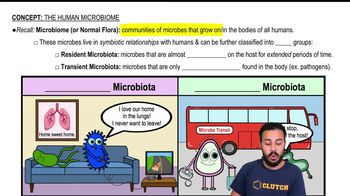
  • Microbiome

    Communities of microbes living on and in the human body, forming dynamic, symbiotic relationships with the host.
  • Normal Flora

    Another term for the microbiome, emphasizing the typical microbial residents found in healthy humans.
  • Resident Microbiota

    Microbes that persistently inhabit the host for extended periods, often providing long-term benefits.
  • Transient Microbiota

    Microbes present on the body temporarily, often including potential pathogens or environmental organisms.
  • Human Microbiome Project

    A coordinated research initiative launched in 2007 to map and understand the human microbiome's composition and effects.
  • Dysbiosis

    An imbalance in the microbial community, increasing susceptibility to diseases like inflammatory bowel disease.
  • Pathogen

    A microbe capable of causing disease, often found among transient microbiota and blocked by the microbiome.
  • Innate Immunity

    The body's nonspecific defense system, with the microbiome acting as a barrier against invading pathogens.
  • Adaptive Immune System

    A defense mechanism that learns to recognize and target specific antigens, influenced by microbiome exposure.
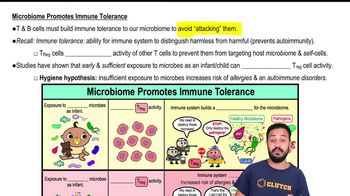
  • Regulatory T Cells

    Immune cells that suppress other T cells, preventing attacks on the microbiome and reducing autoimmunity risk.
  • Immune Tolerance

    The immune system's ability to distinguish harmless from harmful antigens, preventing attacks on beneficial microbes.
  • Hygiene Hypothesis

    The idea that limited early-life microbe exposure increases risk of allergies and autoimmune disorders.
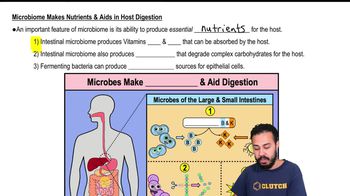
  • Enzyme

    A protein produced by microbiome members that breaks down complex carbohydrates, aiding host digestion.
  • Fermenting Bacteria

    Microbes in the gut that convert nutrients into energy sources usable by epithelial cells.
  • Vitamin K

    An essential nutrient synthesized by intestinal microbes, crucial for host physiological functions.