The Human Microbiome quiz #1 Flashcards

The Human Microbiome quiz #1
Control buttons has been changed to "navigation" mode.
1/10
  • Which of the following statements best describes the human microbiome?
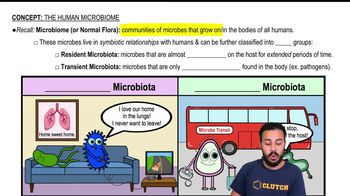
    The human microbiome consists of communities of microbes that live on and in the human body, including resident microbiota that remain for extended periods and transient microbiota that are present temporarily; these microbes play essential roles in protecting against pathogens, stimulating the immune system, producing nutrients, and aiding digestion.
  • What are the main goals of scientists studying the human microbiome?
    Scientists studying the human microbiome aim to reveal its composition, understand how changes in the microbiome affect health and disease, and explore its roles in immunity, nutrient production, and digestion to improve human health.
  • What is the difference between resident and transient microbiota in the human microbiome?
    Resident microbiota remain on or in the host for long periods, while transient microbiota are only present temporarily and often include pathogens.
  • How does the Human Microbiome Project contribute to our understanding of health and disease?
    It studies the composition of the human microbiome and investigates how changes in the microbiome throughout life affect health and disease risk.
  • Name two factors that can influence the composition of an individual's microbiome.
    Factors such as birthing method (vaginal vs. caesarean) and diet can influence the composition of a person's microbiome.
  • What is intestinal dysbiosis and what disease can it increase the risk for?
    Intestinal dysbiosis is an imbalance in the microbiome, and it can increase the risk of inflammatory bowel disease.
  • How do microbes in the microbiome help prevent colonization by pathogens?
    They block attachment sites needed by pathogens and produce toxins that are harmful to pathogens but not to the host.
  • Explain how the microbiome can stimulate the adaptive immune system against new pathogens.
    Exposure to microbiota can lead to antibody production, which may also target pathogens with similar antigens, providing protection against previously unencountered pathogens.
  • What role do regulatory T cells play in immune tolerance towards the microbiome?
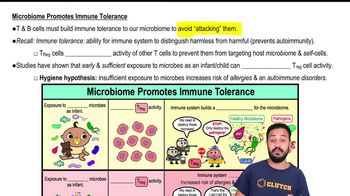
    Regulatory T cells inhibit other immune cells from attacking the microbiome, helping prevent autoimmunity and allergies.
  • List two ways the intestinal microbiome aids in host nutrition and digestion.
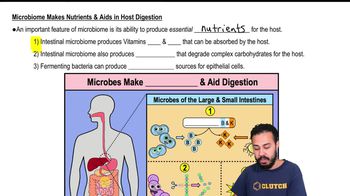
    It produces essential vitamins like B and K, and generates enzymes that help break down complex carbohydrates for digestion.