 Back
Microbiology Exam 3 Review: Pathogenesis, Epidemiology, Vaccines, Antimicrobials
 02:35

Terms in this set (23)
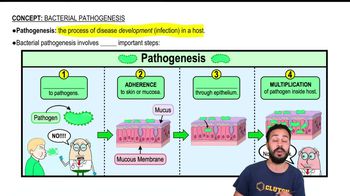
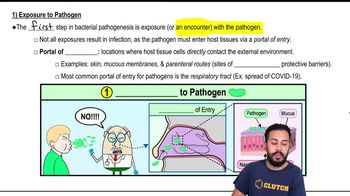
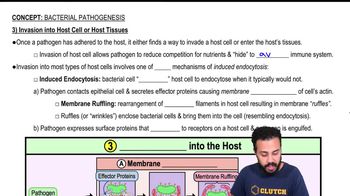
The 6 steps are: Portal of Entry, Adherence, Colonization, Invasion, Host Damage, and Host Exit. Each step involves mechanisms that allow the pathogen to enter, attach, multiply, invade tissues, cause damage, and exit to infect others.
Normal flora are microbes normally found on or in the body without causing disease. Opportunistic pathogens cause disease when the host's defenses are compromised or they enter sterile areas.
A virulence plasmid is a plasmid carrying genes that enhance a microbe's ability to cause disease, such as toxins or adhesion factors.
Endotoxins are lipopolysaccharides (Lipid A) from Gram-negative bacteria's outer membrane causing inflammation. Exotoxins are proteins secreted by bacteria that target specific cells, often highly toxic.
Antigenic variation is the ability of a pathogen to alter its surface proteins to evade the host immune response.
Epidemiology is the study of disease distribution and determinants in populations, essential for controlling outbreaks and understanding disease patterns.
Endemic: constant presence of a disease in a population.
Epidemic: sudden increase in cases in a region.
Pandemic: worldwide epidemic.
1. Direct contact - e.g., HIV
2. Droplet - e.g., Influenza
3. Airborne - e.g., Tuberculosis
4. Food and water - e.g., Salmonella
5. Arthropod vectors - e.g., Malaria
Incubation period is the time between infection and symptom onset.
Prodromal period is the early phase with mild symptoms before full disease develops.
Because infected individuals show no symptoms, they unknowingly transmit the pathogen to others, making control difficult.
T cells mediate cellular immunity and kill infected cells.
B cells produce antibodies for humoral immunity.
Vaccines expose the immune system to antigens, activating B and T cells to form memory cells that respond faster upon real infection.
Live attenuated (e.g., MMR) use weakened pathogens.
Inactivated (e.g., Salk polio) use killed pathogens.
Toxoid (e.g., DTaP) use inactivated toxins.
Subunit/recombinant (e.g., Hib) use parts of pathogens.
Selective toxicity means the drug kills or inhibits microbes without harming the host.
Therapeutic index is the ratio of toxic dose to therapeutic dose; a higher index means safer drugs.
Bactericidal drugs kill bacteria.
Bacteriostatic drugs inhibit bacterial growth, allowing the immune system to clear infection.
Minimum Inhibitory Concentration (MIC) is the lowest drug concentration that inhibits visible bacterial growth, guiding effective dosing.
They inhibit bacterial cell wall synthesis by targeting penicillin-binding proteins. Example: Penicillin.
Beta-lactamase is an enzyme produced by bacteria that breaks down beta-lactam antibiotics, causing resistance.
Tetracyclines inhibit bacterial protein synthesis by blocking tRNA attachment to the ribosome.
Sulfa drugs are growth factor analogs that inhibit folic acid synthesis in bacteria, blocking DNA synthesis.
Antimicrobial resistance is when microbes survive drug treatment. One cause is genetic mutations that alter drug targets.
The CDC and WHO monitor, report, and coordinate responses to infectious disease outbreaks globally and nationally.