Skip to main content
Microbiology
My Course
Learn
Exam Prep
AI Tutor
Study Guides
Textbook Solutions
Flashcards
Explore
Try the app
My Course
Learn
Exam Prep
AI Tutor
Study Guides
Textbook Solutions
Flashcards
Explore
Try the app
Back
RNA Viruses Infecting Humans - Microbiology
You can tap to flip the card.
What distinguishes + sense RNA viruses from - sense RNA viruses?
You can tap to flip the card.
👆
What distinguishes + sense RNA viruses from - sense RNA viruses?
+ sense RNA viruses
have genomes that act directly as mRNA, while
- sense RNA viruses
must bring their own RNA polymerase to transcribe their genome.
Track progress
Control buttons has been changed to "navigation" mode.
1/28
Recommended videos
04:47
General Structure of Viruses
5939
views
174
rank
2
comments
03:19
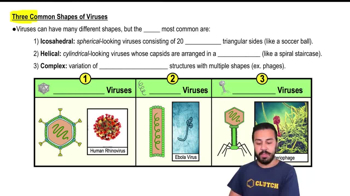
Three Common Shapes of Viruses
4291
views
73
rank
05:09
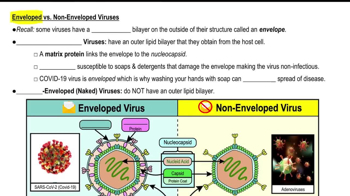
Enveloped vs. Non-Enveloped Viruses
5138
views
99
rank
Terms in this set (28)
Hide definitions
What distinguishes + sense RNA viruses from - sense RNA viruses?
+ sense RNA viruses
have genomes that act directly as mRNA, while
- sense RNA viruses
must bring their own RNA polymerase to transcribe their genome.
Name some naked + sense RNA virus families.
Picornaviridae, Hepeviridae, Caliciviridae, and Astroviridae are naked + sense RNA viruses.
Describe the pathogenesis of poliovirus infection.
Poliovirus enters via fecal-oral route, replicates in mucosal cells, causes mild viremia, and rarely invades spinal cord causing flaccid paralysis (poliomyelitis).
What is the main clinical feature of hand-foot-and-mouth disease caused by Coxsackieviruses?
Ulcers in the mouth and/or rash on palms and soles.
How is Hepatitis A virus transmitted and what are its symptoms?
Transmitted fecal-orally; symptoms include fatigue, nausea, clay-colored feces, jaundice, and last 2-6 months.
Why are vaccines unlikely for human rhinoviruses?
Because of the high number of serotypes (150-170) and variable accessible antigens acting as decoys.
What is the main cause of viral gastroenteritis in the US related to Caliciviruses?
Norovirus causes about one-third of viral gastroenteritis and 60% of food-borne illness.
What is unique about Reoviridae viruses?
They have double-stranded segmented RNA genomes and are naked icosahedral viruses.
What are the three types of influenza viruses and their hosts?
Type A infects warm-blooded animals and birds; Type B infects humans and some animals; Type C infects humans, pigs, dogs, and cattle.
What are hemagglutinin (H) and neuraminidase (N) in influenza viruses?
H is the glycoprotein for binding and entry; N helps release new virions by cleaving sialic acid.
Explain antigenic drift and antigenic shift in influenza viruses.
Antigenic drift is gradual mutation; antigenic shift is reassortment of RNA segments between strains causing major changes.
What is the incubation period and main symptoms of influenza infection?
Incubation 1-5 days; symptoms include sudden high fever, body aches, dry cough, and respiratory tract infection.
Name some antiviral drugs used to treat influenza and their targets.
Amantadine blocks M2 ion channel; oseltamivir inhibits neuraminidase; baloxavir inhibits cap stealing.
What are Bunyaviruses and Arenaviruses, and how are they transmitted?
Enveloped segmented -RNA viruses; Bunyaviruses mostly insect/tick-borne; Arenaviruses rodent-borne with some person-to-person transmission.
Describe the pathogenesis and transmission of rabies virus.
Enters via bite, replicates at trauma site, travels via nerves to brain, causes fatal encephalitis; transmitted by saliva.
What are the clinical phases of rabies infection?
Prodromal (pain at wound), furious (agitation, hydrophobia), dumb (paralysis), then coma and death.
What are the main diseases caused by Paramyxoviruses?
Measles (Morbillivirus), mumps (Rubulavirus), respiratory syncytial virus, and parainfluenza infections.
What is the hallmark oral lesion of measles infection?
Koplik spots—small white spots on the buccal mucosa.
What is the main cause of severe respiratory infection in infants under 6 months?
Respiratory Syncytial Virus (RSV).
What are the main arbovirus families and their vectors?
Flaviviruses and Togaviruses transmitted by mosquitoes; Bunyaviruses and Reoviruses also include arboviruses.
What is the clinical significance of Zika virus infection?
Usually mild but can cause congenital Zika syndrome with microcephaly and other birth defects.
What is the main transmission route and clinical feature of Dengue fever?
Transmitted by Aedes mosquitoes; causes 'breakbone fever' with severe muscle and joint pain.
What is the role of reverse transcriptase in Retroviruses?
It copies viral RNA into DNA for integration into the host genome.
What are the main clinical syndromes caused by HTLV-1 infection?
Adult T-cell leukemia/lymphoma and HTLV-1 associated myelopathy/tropical spastic paraparesis.
How is HIV transmitted and what cells does it infect?
Transmitted via sex, blood, birth, breast milk; infects CD4+ T cells and some macrophages.
What defines AIDS diagnosis in an HIV-positive person?
CD4+ count <200 cells/ml, or <14% lymphocytes, or presence of AIDS-defining illnesses.
What are the main strategies for preventing HIV infection?
Monogamy, condoms, male circumcision, universal precautions; no vaccine available.
What is the principle of antiretroviral therapy (ART) for HIV?
Combination of drugs targeting multiple viral enzymes to slow disease progression.
 BackBack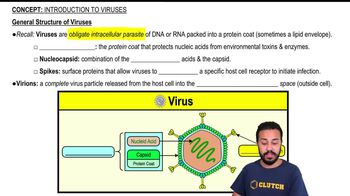
 04:47
04:47