 Back
BackA Brief History and Classification of Microbiology
Study Guide - Smart Notes
 Tailored notes based on your materials, expanded with key definitions, examples, and context.
Introduction to Microbiology
Definition and Scope
Microbiology is the study of microorganisms, which are organisms too small to be seen with the naked eye. This field encompasses the biology, classification, and roles of bacteria, viruses, fungi, protozoa, and algae. Microorganisms are essential to life on Earth, influencing health, disease, and ecological balance.
Microorganisms include bacteria, viruses, fungi, protozoa, and algae.
They are found in diverse environments and play critical roles in processes such as fermentation, decomposition, and disease.
Major Classes of Microorganisms
Viruses
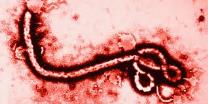
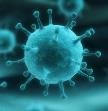
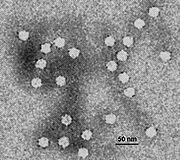
Viruses are acellular infectious agents that require a host cell to replicate. They can infect animals, plants, and bacteria (bacteriophages).
Structure: Composed of genetic material (DNA or RNA) surrounded by a protein coat.
Replication: Only replicate inside living cells.
Examples: Ebola virus, Influenza virus, Canine parvovirus.
Algae
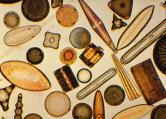
Algae are unicellular or multicellular, photosynthetic organisms found in aquatic environments. They are categorized based on pigmentation, storage products, and cell wall composition.
Photosynthetic: Use light energy to produce food.
Reproduction: Simple reproductive structures.
Fungi
Fungi are eukaryotic organisms that obtain energy from other organisms (chemotrophs). They possess cell walls and can be unicellular (yeasts) or multicellular (molds).
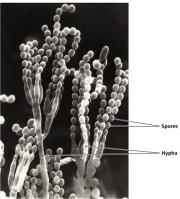
Molds: Multicellular, have hyphae, reproduce by spores.
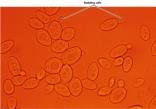
Yeasts: Unicellular, reproduce by budding.
Protozoa
Protozoa are single-celled eukaryotes similar to animals in cell structure and nutrition. They are typically motile and reproduce asexually or sexually.
Motility: Move using pseudopodia, cilia, or flagella.
Life Stages: Trophozoite (active), cyst (dormant).
Prokaryotes: Bacteria and Archaea
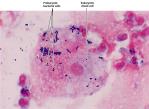
Prokaryotes are unicellular organisms lacking a nucleus. They are divided into bacteria and archaea based on cell wall composition and genetic differences.
Bacteria: Cell walls contain peptidoglycan; some are beneficial, others pathogenic.
Archaea: Cell walls lack peptidoglycan; often found in extreme environments.
History of Microbiology
Era of Speculation
Before the discovery of microorganisms, people attributed diseases to supernatural causes. The domestication of plants and animals led to sedentary societies and new disease patterns.
Food and Disease: Bread, wine, and plagues were linked to unseen forces.
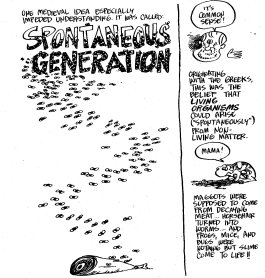
Theory of Spontaneous Generation
This theory posited that living organisms could arise from nonliving matter. It was widely accepted until disproven by scientific experimentation.
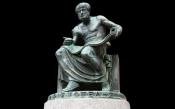
Greek Philosophers: Aristotle supported spontaneous generation.
Religious Influence: Diseases were often attributed to bad spirits.
Early Connections: Environment and Disease
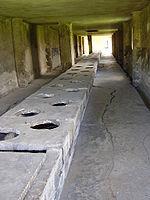
Ancient civilizations like Rome recognized the link between environment and disease, leading to innovations in sanitation and quarantine.
Sanitation: Aqueducts, sewers, and public health measures.
Communicable Diseases: Some recognition of disease transmission, but not microbial causation.
Discovery of Microorganisms
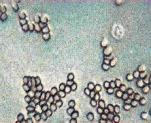
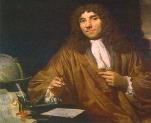
Antoni van Leeuwenhoek was the first to observe microorganisms using simple microscopes, leading to the identification of 'animalcules' (microbes).
Microscopy: Enabled visualization of bacteria, protozoa, and other microbes.
Father of Protozoology and Bacteriology: Leeuwenhoek's contributions were foundational.
Classification of Microorganisms
Early Taxonomy and Linnaean System
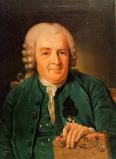
Carolus Linnaeus developed a hierarchical system for classifying organisms, introducing binomial nomenclature (Genus species).
Taxonomy: Classification, nomenclature, and identification.
Hierarchy: Kingdom, Phylum, Class, Order, Family, Genus, Species.
Modern Taxonomy: Domains
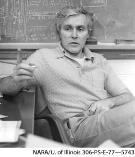
Carl Woese proposed the three-domain system based on ribosomal RNA sequences: Bacteria, Archaea, and Eukarya.
Domains: Reflect evolutionary relationships.
Genetic Analysis: DNA/RNA sequencing is key to modern classification.
Modern Classification of Prokaryotes
Prokaryotes are classified using a combination of morphological, genetic, biochemical, and immunological methods.
Macroscopic and Microscopic Morphology: Colony and cell appearance.
Nucleic Acid Techniques: G+C content, DNA/RNA analysis.
Biochemical Tests: Metabolic capabilities.
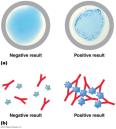
Serological Analysis: Antibody-antigen reactions.
Golden Age of Microbiology
Key Questions and Advances
During the late 19th and early 20th centuries, scientists addressed fundamental questions about spontaneous generation, fermentation, disease causation, and infection prevention.
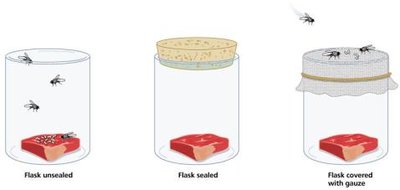
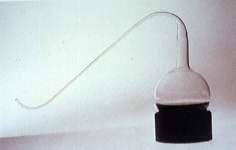
Spontaneous Generation: Disproven by experiments from Redi, Spallanzani, and Pasteur.
Fermentation: Shown to be caused by living organisms (yeasts and bacteria).
Germ Theory of Disease: Proposed by Pasteur; specific microbes cause specific diseases.
Koch's Postulates
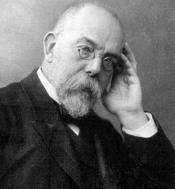
Robert Koch established criteria for linking specific microbes to specific diseases, known as Koch's postulates.
The suspected agent must be present in every case of the disease and absent from healthy hosts.
The agent must be isolated and grown in pure culture.
The cultured agent must cause the disease when introduced into a healthy host.
The same agent must be reisolated from the newly diseased host.
Limitations of Koch's Postulates
Some pathogens cannot be cultured, require synergistic interactions, or lack suitable animal models. Viral pathogens often do not fit these criteria.
Unculturable Microbes: Some require host cells or specific conditions.
Synergy: Multiple organisms may cause disease together.
Disease Prevention and Public Health
Advances in microbiology led to improved public health through sanitation, antisepsis, vaccination, and antibiotics.
Semmelweis: Handwashing in childbirth.
Lister: Antiseptic surgery.
Nightingale: Cleanliness in nursing.
Jenner: Vaccination for smallpox.
Snow: Epidemiology.
Fleming: Discovery of antibiotics.
