 Back
A Brief History and Overview of Microbiology: Types of Microbes
Study Guide - Smart Notes
 Tailored notes based on your materials, expanded with key definitions, examples, and context.
Chapter 1: A Brief History of Microbiology
Introduction to Microbiology
Microbiology is the study of organisms too small to be seen with the naked eye, known as microbes or microorganisms. Unlike other biological sciences that focus on a single group of organisms, microbiology encompasses a wide variety of life forms, including both prokaryotic and eukaryotic cells, as well as non-living infectious agents.
Microbes include bacteria, archaea, fungi, protozoa, algae, helminths, and viruses.
Microbes are found in nearly every environment on Earth and play essential roles in ecosystems, health, and disease.
Major Types of Microbes
Bacteria
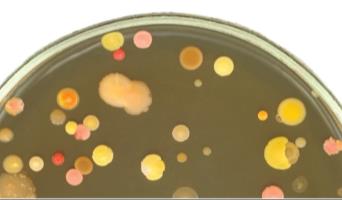
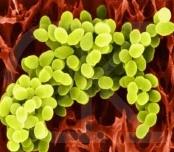
Bacteria are single-celled prokaryotic organisms that lack a nucleus and membrane-bound organelles. They are among the most ancient life forms, with fossil evidence dating back 3.5 billion years. Bacteria are incredibly diverse and can be found in almost every habitat on Earth.
Cell Structure: Prokaryotic, no nucleus, cell wall contains peptidoglycan.
Size: Typically 100 to 1000 times smaller than human cells.
Habitat: Soil, water, extreme environments, human skin, etc.
Roles: Free-living, symbiotic, or pathogenic (disease-causing).
Archaea
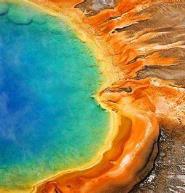
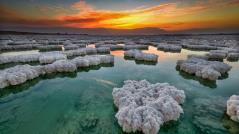
Archaea are also single-celled prokaryotes, but they are genetically and biochemically distinct from bacteria. Originally classified as bacteria, DNA analysis revealed that archaea represent a separate domain of life. Many archaea are extremophiles, thriving in environments that are inhospitable to most other organisms.
Cell Structure: Prokaryotic, similar in appearance to bacteria but with unique genetic and biochemical features.
Habitats: Boiling hot springs, deep ocean vents, high-salt environments, and other extreme conditions.
Pathogenicity: No known archaean pathogens.

Fungi
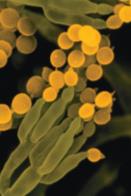
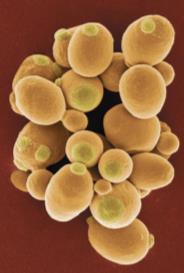
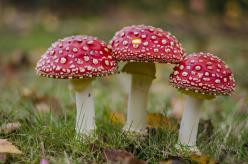
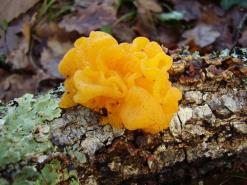
Fungi are eukaryotic organisms, meaning their cells contain a nucleus and other organelles. Most fungi are multicellular, except for yeasts, which are unicellular. Fungi have cell walls made of chitin and reproduce by spores. They play important roles as decomposers and some are pathogenic to humans and other organisms.
Cell Structure: Eukaryotic, with nucleus and organelles.
Types: Molds (multicellular), yeasts (unicellular).
Cell Wall: Composed of chitin.
Roles: Decomposers, pathogens, and in food production.
Protozoa
Protozoa are single-celled eukaryotic organisms, often referred to as animal-like protists. They are highly diverse, with various forms of movement and feeding strategies. Protozoa can be free-living or parasitic, and some are important human pathogens.
Cell Structure: Eukaryotic, single-celled.
Movement: Use cilia, flagella, or pseudopodia.
Nutrition: Heterotrophic (consume organic material).
Roles: Free-living in water/soil or parasitic (e.g., malaria, giardiasis).
Algae
Algae are eukaryotic, plant-like protists that perform photosynthesis. They can be unicellular, colonial, or multicellular. Algae are primarily aquatic and are important producers in aquatic ecosystems. Notably, algae are not pathogenic to humans, though some can produce toxins (e.g., red tide).
Cell Structure: Eukaryotic.
Nutrition: Photosynthetic.
Habitat: Aquatic and marine environments.
Pathogenicity: No direct human pathogens, but some produce toxins.
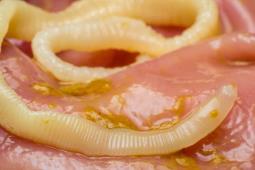
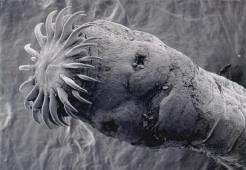
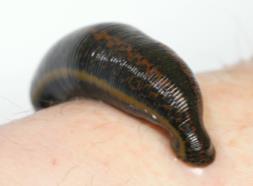
Helminths
Helminths are multicellular eukaryotic animals, including flatworms and roundworms. While adult worms are macroscopic, their eggs and larvae are microscopic, making them relevant to microbiology. Many helminths are parasitic and cause significant human diseases.
Cell Structure: Eukaryotic, multicellular.
Body Plan: Complex organ systems, no cell walls.
Roles: Parasitic, with microscopic eggs/cysts.
Examples: Roundworms, tapeworms, heartworms.
Viruses
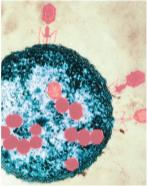
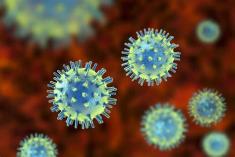
Viruses are non-living infectious agents composed of genetic material (DNA or RNA) surrounded by a protein coat. They cannot reproduce independently and must infect a host cell to replicate. Viruses infect all forms of life, including bacteria (bacteriophages), plants, animals, and fungi.
Structure: DNA or RNA core, protein coat (capsid), sometimes an envelope.
Replication: Obligate intracellular parasites; require host cell machinery.
Pathogenicity: Cause a wide range of diseases (e.g., influenza, COVID-19, chickenpox).
Summary Table: Microbe Types and Characteristics
Microbe | Cell Type | Example Diseases |
|---|---|---|
Bacteria | Prokaryotic | Tuberculosis, Syphilis, Typhoid, Staph infection |
Archaean | Prokaryotic | None |
Fungi | Eukaryotic | Yeast infection, Thrush, Athlete’s foot |
Protozoan | Eukaryotic | Malaria, Giardiasis, Toxoplasmosis |
Algae | Eukaryotic | None (Red tide - toxins) |
Helminthes | Eukaryotic | Roundworm, Heartworm, Tapeworm infections |
Viruses | None (Acellular) | COVID-19, Influenza, Colds, Chickenpox, Mumps |
Tree of Life and Microbial Diversity
The Tree of Life illustrates the evolutionary relationships among all living organisms, highlighting the three domains: Bacteria, Archaea, and Eukarya. Microbes are found in all domains, demonstrating their fundamental importance to life on Earth. Horizontal gene transfer has played a significant role in microbial evolution, especially among early cells.
Bacteria: Includes cyanobacteria, proteobacteria, and gram-positive bacteria.
Archaea: Includes extreme halophiles, methanogens, and hyperthermophiles.
Eukarya: Includes animals, fungi, plants, and various protists.
Additional info: The origin of mitochondria and chloroplasts in eukaryotes is believed to be the result of endosymbiotic events involving ancient bacteria.
