 Back
BackA Brief History of Life and Microbiology: Foundations and Key Discoveries
Study Guide - Smart Notes
 Tailored notes based on your materials, expanded with key definitions, examples, and context.
History of Life on Earth
Timeline of Early Life and Microbial Dominance
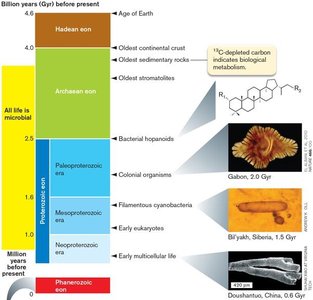
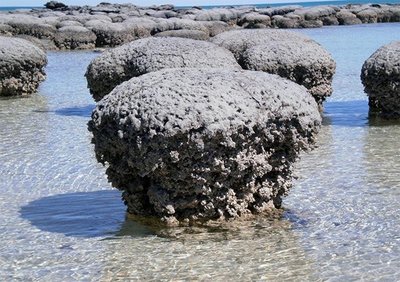
Earth's history is marked by the dominance of microbial life for billions of years. The earliest evidence of life dates back to approximately 4.2 billion years ago, with microbial forms persisting as the sole inhabitants for much of Earth's timeline. Key milestones include the formation of stromatolites and the emergence of cyanobacteria, which played a crucial role in shaping the planet's atmosphere.
Stromatolites: Calcareous mounds built by lime-secreting cyanobacteria, representing some of the oldest known fossils.
Microbial Life: All life was microbial for most of Earth's history, with multicellular organisms appearing much later.
Key Events: The Great Oxidation Event, emergence of colonial organisms, filamentous cyanobacteria, early eukaryotes, and multicellular life.
The Great Oxidation Event
Impact of Oxygen on Earth's Biosphere
The Great Oxidation Event (2.4–2.1 billion years ago) was a pivotal moment in Earth's history, driven by photosynthetic microbes such as cyanobacteria. The production of oxygen transformed the atmosphere, leading to mass extinctions of anaerobic organisms and enabling the evolution of aerobic life forms.
Cyanobacteria: Responsible for oxygen production through photosynthesis.
Consequences: Oxygen acted as a poison to most existing life, but allowed for the evolution of aerobic organisms.
A Brief History of Microbiology
Early Observations and Cell Theory
The foundation of microbiology began with the discovery of cells and microorganisms. Robert Hooke and Anton van Leeuwenhoek made critical observations that led to the development of cell theory and the recognition of microbial life.
Robert Hooke (1665): Reported that living things are composed of "cells," marking the beginning of cell theory.
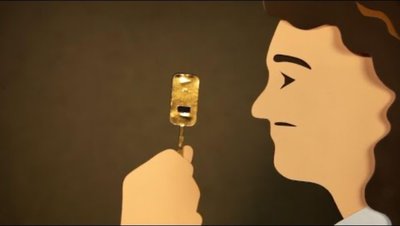
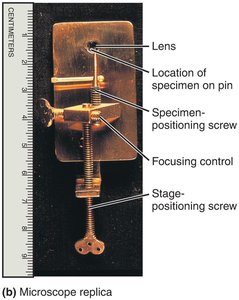
Anton van Leeuwenhoek (1673–1723): Observed and documented "animalcules" (bacteria and protozoa) using magnifying lenses.
Spontaneous Generation vs. Biogenesis
Debate and Experimental Evidence
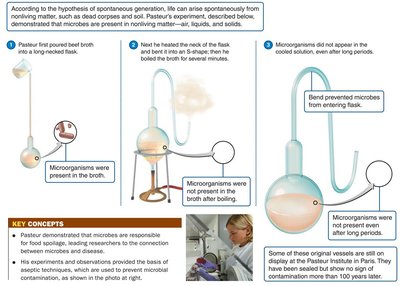
Two opposing hypotheses shaped early biological thought: spontaneous generation (life arises from nonliving matter) and biogenesis (life arises only from preexisting living cells). Experiments by Virchow and Pasteur provided evidence supporting biogenesis.
Spontaneous Generation: Proposed that a "vital force" could create life from nonliving matter.
Biogenesis: Supported by Rudolf Virchow and Louis Pasteur, who demonstrated that microorganisms originate from other microorganisms.
Pasteur's Experiment: Used S-shaped flasks to show that microbes are present in air and do not arise spontaneously.
The First Golden Age of Microbiology
Pasteurization and Germ Theory of Disease
Louis Pasteur's work on pasteurization and the germ theory of disease revolutionized microbiology. He demonstrated that heat could kill spoilage bacteria and that microbes are responsible for disease.
Pasteurization: Application of high heat for a short time to kill harmful bacteria in beverages.
Germ Theory: Established by Pasteur, Bassi, and Lister, showing that microbes cause disease.
Ignaz Semmelweis: Advocated handwashing to prevent transmission of puerperal fever.
Joseph Lister: Used chemical antiseptics to prevent surgical wound infections.
Koch's Postulates
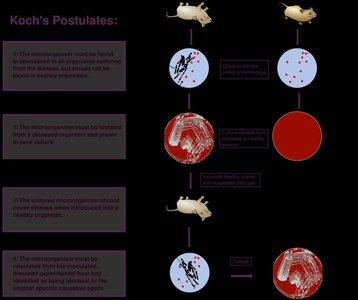
Robert Koch developed a set of experimental steps, known as Koch's postulates, to demonstrate that a specific microbe causes a specific disease. These postulates are fundamental to understanding infectious diseases.
Koch's Postulates: Criteria for establishing a causal relationship between a microbe and a disease.
Limitations: Not all pathogens can be grown in pure culture; ethical concerns exist for human studies; not all diseases are caused by pathogens.
Vaccination and Immunity
Jenner's Contributions
Edward Jenner's work on vaccination laid the foundation for immunology. By inoculating individuals with cowpox, Jenner provided protection against smallpox, introducing the concept of immunity.
Vaccination: Derived from the Latin "vacca" (cow); provides immunity against specific diseases.
Immunity: The protection conferred by vaccination.
The Second Golden Age of Microbiology
Chemotherapy and Antibiotics
The focus shifted to treating diseases caused by microbes. Chemotherapy involves the use of chemicals to treat infectious diseases, including synthetic drugs and antibiotics.
Paul Ehrlich: Developed the first synthetic drug (salvarsan) for syphilis.
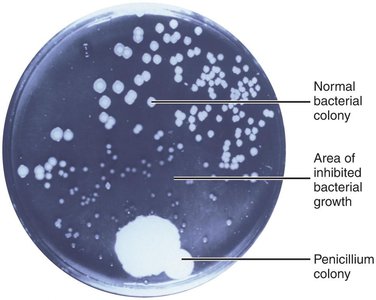
Alexander Fleming: Discovered penicillin, the first antibiotic, which inhibits bacterial growth.
Antibiotics: Chemicals produced by bacteria and fungi that inhibit or kill other microbes.
Problems with Antimicrobial Chemicals
Toxicity and Resistance
Some antimicrobial drugs can be toxic to humans, and microbes can develop resistance to these drugs. Research to overcome these challenges has led to the Third Golden Age of Microbiology.
Toxicity: Especially problematic with antiviral drugs.
Resistance: Example: Vancomycin-resistant Staphylococcus aureus.
The Miller-Urey Experiment
Origins of Life: Experimental Recreation
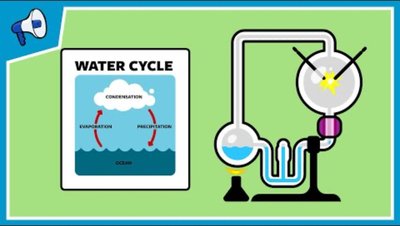
The Miller-Urey experiment (1953) recreated conditions on early Earth to test whether basic building blocks could form precursors to life. The experiment demonstrated that organic molecules could be synthesized under prebiotic conditions.
Setup: Water, heat, methane, hydrogen, ammonia, and electrical sparks to mimic lightning.
Outcome: Formation of amino acids and other organic compounds.
The Third Golden Age of Microbiology
Genomics and Recombinant DNA Technology
Modern microbiology is characterized by advances in genomics and recombinant DNA technology. These tools have enabled the study of microbiomes, gene function, and the production of human proteins in microbes.
Genomics: Study of an organism's genes; enables classification and understanding of microbial communities.
Recombinant DNA: DNA made from two different sources; allows for the manufacture of human hormones and proteins in bacteria.
Key Figures and Contributions in Microbiology
Summary Table of Major Contributors
The following table summarizes key figures and their contributions to microbiology:
Name | Contribution | Year |
|---|---|---|
Robert Hooke | Cell theory | 1665 |
Anton van Leeuwenhoek | First observation of microbes | 1673–1723 |
Louis Pasteur | Disproved spontaneous generation, pasteurization, germ theory | 1857–1864 |
Ignaz Semmelweis | Handwashing to prevent disease | 1840s |
Joseph Lister | Aseptic surgery | 1867 |
Robert Koch | Koch's postulates, germ theory | 1876 |
Edward Jenner | Vaccination | 1796 |
Paul Ehrlich | Synthetic drugs, theory of immunity | 1910 |
Alexander Fleming | Discovery of penicillin | 1928 |
Conclusion
The history of life and microbiology is a story of discovery, innovation, and the profound impact of microbes on Earth's biosphere and human health. Understanding these foundations is essential for further study in microbiology.
