 Back
BackA Brief History of Microbiology: Foundations, Discoveries, and Classification
Study Guide - Smart Notes
 Tailored notes based on your materials, expanded with key definitions, examples, and context.
Chapter 1: A Brief History of Microbiology
The Early Years of Microbiology
Microbiology is the study of organisms too small to be seen with the naked eye. Its history is marked by key discoveries and technological advances that have shaped our understanding of life and disease.
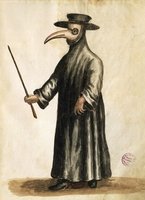
1530, Girolamo Fracastoro: Proposed that epidemic diseases are caused by transferable tiny particles, which he called "spores" or germs.
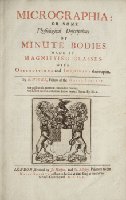
1665, Robert Hooke: Published Micrographia, the first book describing microscopic observations of biological materials.
Development of the Microscope and Early Observations
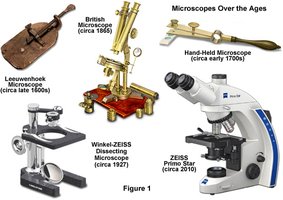
The invention and refinement of the microscope were crucial for the birth of microbiology as a science.
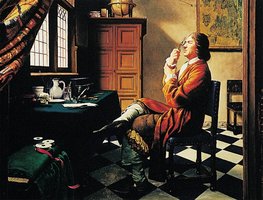
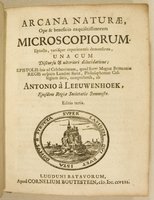
1676, Antonie van Leeuwenhoek: Developed simple microscopes and was the first to observe and describe single-celled organisms, which he called "animalcules." His observations included bacteria and protozoa.
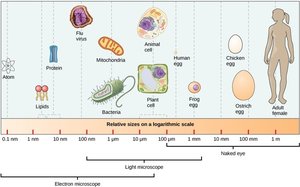
What Does Life Really Look Like?
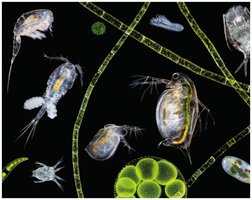
Microorganisms vary greatly in size, from viruses and bacteria to eukaryotic cells and multicellular organisms. Understanding their scale is essential for appreciating the diversity of life forms studied in microbiology.
How Can Microbes Be Classified?
Classification systems help organize the diversity of microbial life. Carolus Linnaeus developed the taxonomic system for naming and grouping organisms.
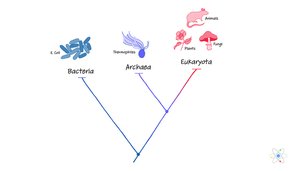
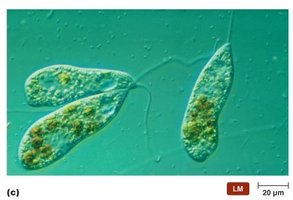
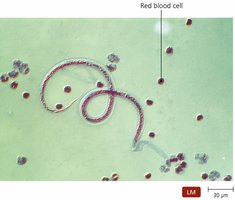
Six major categories of microorganisms: Bacteria, Archaea, Fungi, Protozoa, Algae, and Small multicellular animals.
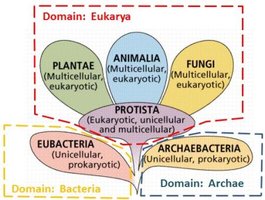
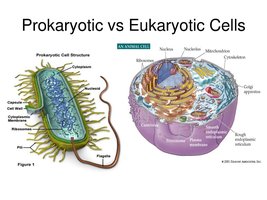
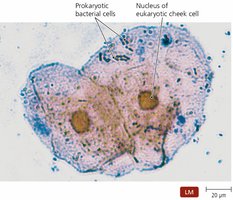
Prokaryotes vs. Eukaryotes
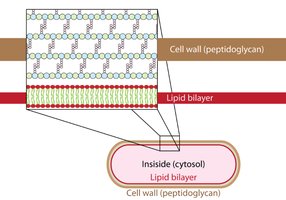
Prokaryotes: Unicellular organisms lacking a true nucleus. Includes Bacteria (with peptidoglycan cell walls) and Archaea (cell walls lack peptidoglycan).
Eukaryotes: Organisms with a true nucleus, can be unicellular or multicellular. Includes Fungi, Algae, Protozoa, and small multicellular animals.
Cell Structure and Function
Bacteria: Unicellular, peptidoglycan cell walls, diverse metabolic capabilities.
Archaea: Unicellular, cell walls without peptidoglycan, often found in extreme environments.
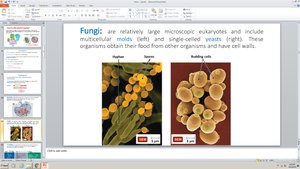
Fungi: Obtain food from other organisms, have cell walls, include multicellular molds and single-celled yeasts.
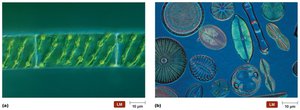
Algae: Photosynthetic, can be unicellular or multicellular, important in aquatic ecosystems.
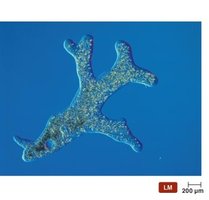
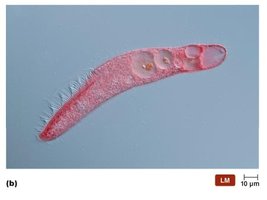
Protozoa: Unicellular, animal-like nutrition, motile by pseudopods, cilia, or flagella.
Parasitic worms: Range from microscopic forms to large tapeworms.
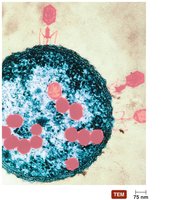
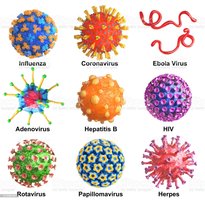
Viruses: Acellular, obligate parasites, consist of genetic material surrounded by a protein coat.
The Golden Age of Microbiology
Does Microbial Life Spontaneously Generate?
The theory of spontaneous generation (abiogenesis) proposed that living organisms could arise from nonliving matter. This idea was challenged and eventually disproven through scientific experimentation.
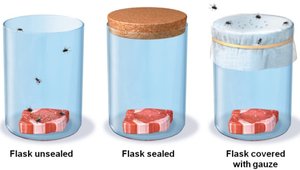
Francesco Redi (1600s): Showed that maggots do not develop in meat isolated from flies.
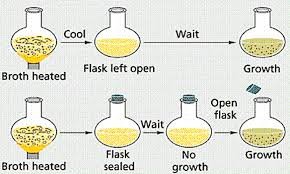
Lazzaro Spallanzani (1768): Demonstrated that microbes can be killed by boiling and are carried in the air.
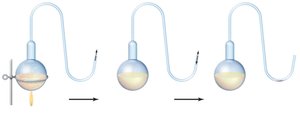
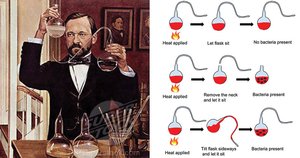
Louis Pasteur (1861): Used swan-necked flasks to show that microorganisms come from the environment, not from spontaneous generation.
The Scientific Method
The scientific method provides a systematic approach to scientific inquiry, involving observation, hypothesis formation, experimentation, and analysis.

What Causes Disease? The Germ Theory
Before the 19th century, disease was attributed to supernatural causes or environmental factors. The germ theory, developed by Pasteur and others, established that specific microorganisms cause specific diseases.
Louis Pasteur: Demonstrated the role of microbes in fermentation and disease, developed pasteurization.
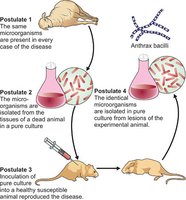
Robert Koch: Developed techniques for isolating bacteria and formulated Koch's postulates to prove the causative agents of infectious diseases.
Advances in Microbiological Techniques
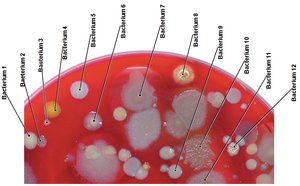
Fanny Hesse (1881): Introduced agar as a solidifying agent for culture media.
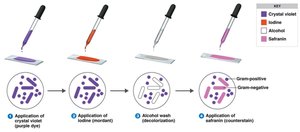
Christian Gram (1884): Developed the Gram stain, a differential staining technique that distinguishes between Gram-positive and Gram-negative bacteria based on cell wall structure.
The Modern Age of Microbiology
What Are the Basic Chemical Reactions of Life?
Biochemistry is the study of metabolism, the chemical reactions that occur in living organisms. Discoveries in fermentation and enzymology have shown that biochemical reactions are shared by all living things.
Applications: Design of herbicides, diagnosis and treatment of diseases, drug development.
How Do Genes Work?
Microbial genetics explores the inheritance and function of genes in microorganisms. Key discoveries include the identification of DNA as genetic material and the relationship between genes and proteins.
Recombinant DNA technology: Manipulation of genes for practical applications, such as gene therapy and genetically modified organisms.
What Roles Do Microorganisms Play in the Environment?
Environmental microbiology studies the roles of microbes in natural processes such as decomposition, nutrient cycling, and biodegradation. Microorganisms are essential for ecosystem function and human health.
How Do We Defend Against Disease?
Immunology is the study of the body's defenses against pathogens. Advances in vaccination, antisepsis, and chemotherapy have greatly reduced the impact of infectious diseases.
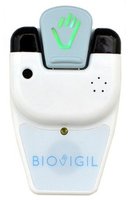
Ignaz Semmelweis: Advocated handwashing to prevent infection.
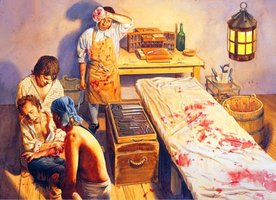
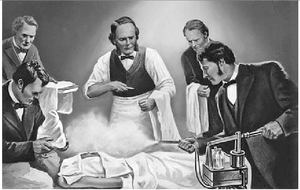
Joseph Lister: Introduced antiseptic techniques in surgery.
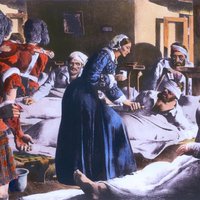
Florence Nightingale: Promoted hygiene in hospitals.
Edward Jenner: Developed vaccination for smallpox.
Paul Ehrlich: Pioneered chemotherapy for infectious diseases.
What Will the Future Hold?
Microbiology continues to evolve, addressing challenges such as antimicrobial resistance, emerging diseases, and the development of new technologies for diagnosis, treatment, and environmental management.
