 Back
BackA Brief History of Microbiology: Foundations and Milestones
Study Guide - Smart Notes
 Tailored notes based on your materials, expanded with key definitions, examples, and context.
A Brief History of Microbiology
Introduction to Microbiology
Microbiology is the study of organisms too small to be seen with the naked eye, including bacteria, archaea, fungi, protozoa, algae, viruses, and some multicellular parasites. The field has evolved through centuries of observation, experimentation, and technological advancement, shaping our understanding of life and disease.
The Early Years of Microbiology
Antoni van Leeuwenhoek and the Discovery of Microorganisms
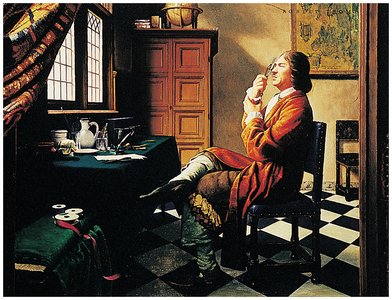
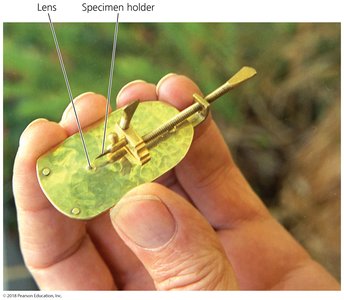
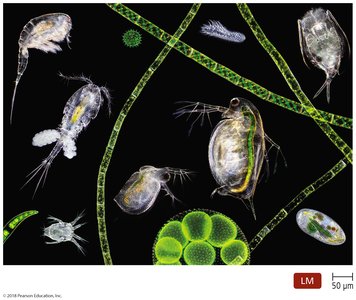
Antoni van Leeuwenhoek (1632–1723) is often credited as the first person to observe and describe microorganisms, which he called "animalcules." Using simple microscopes of his own design, he examined water and other substances, revealing a previously unseen world of tiny life forms. By the late 19th century, these organisms were collectively termed microorganisms.
Classification of Microbes
Carolus Linnaeus developed a taxonomic system for naming and grouping organisms. Leeuwenhoek’s microorganisms are now classified into six major categories:
Bacteria
Archaea
Fungi
Protozoa
Algae
Small multicellular animals
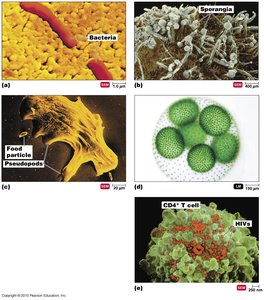
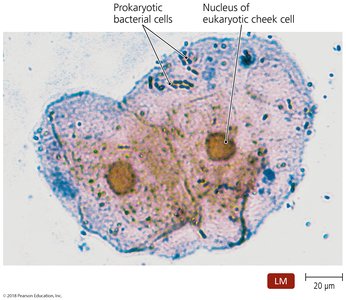
Bacteria and Archaea
Unicellular and lack nuclei (prokaryotic)
Smaller than eukaryotes
Found in diverse environments, including extreme conditions
Reproduce asexually
Bacterial cell walls contain peptidoglycan; archaeal cell walls are made of other polymers
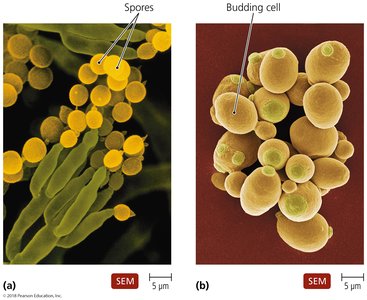
Fungi
Eukaryotic (contain a membrane-bound nucleus)
Obtain food from other organisms
Possess cell walls
Include molds (multicellular, filamentous, reproduce by spores) and yeasts (unicellular, reproduce by budding or spores)
Protozoa
Single-celled eukaryotes
Similar to animals in nutrient needs and cellular structure
Live freely in water or as parasites in hosts
Reproduce asexually (mostly) and sexually
Motility via pseudopods, cilia, or flagella
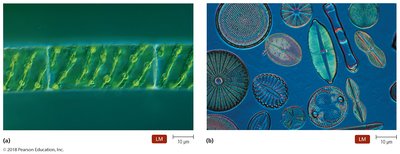
Algae
Unicellular or multicellular
Photosynthetic
Simple reproductive structures
Categorized by pigmentation and cell wall composition
Other Microorganisms
Parasites: Multicellular organisms, often with complex life cycles, that cause disease
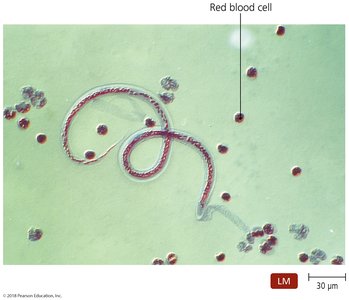
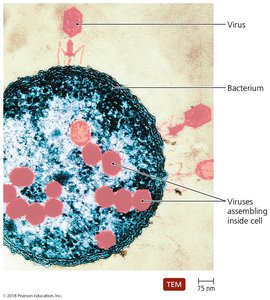
Viruses: Acellular entities composed of genetic material surrounded by a protein coat, requiring host cells to replicate
The Golden Age of Microbiology
Major Questions and Experiments
During the late 19th and early 20th centuries, microbiologists addressed four foundational questions:
Is spontaneous generation of microbial life possible?
What causes fermentation?
What causes disease?
How can we prevent infection and disease?
Spontaneous Generation Debate
Aristotle proposed that living things could arise from nonliving matter (spontaneous generation).
Francesco Redi’s experiments (meat and maggots) challenged this idea.
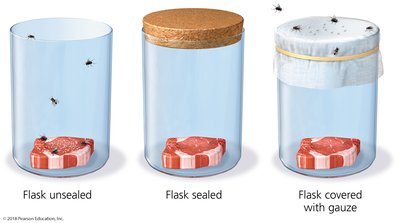
John Needham’s experiments with boiled broths seemed to support spontaneous generation for microbes.
Lazzaro Spallanzani improved experimental design, showing that sealed and boiled broths did not develop microbes, suggesting contamination from air.
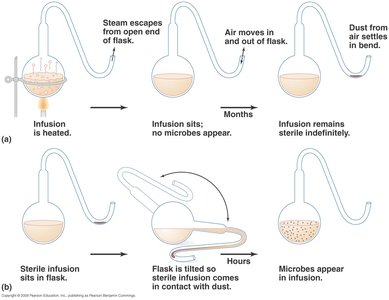
Louis Pasteur’s swan-neck flask experiments definitively disproved spontaneous generation by showing that sterile broths remained free of microbes unless exposed to dust.
The Scientific Method
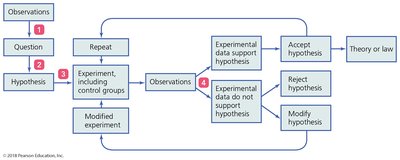
The debate over spontaneous generation contributed to the development of the scientific method, which involves:
Observation
Question
Hypothesis
Experimentation
Analysis and conclusion (accept, reject, or modify hypothesis)
Fermentation and Industrial Microbiology
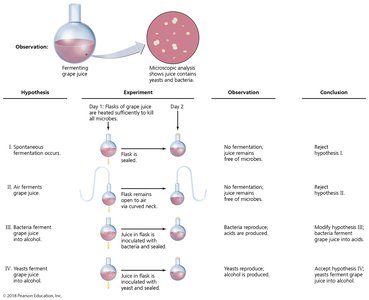
Pasteur demonstrated that fermentation is caused by living microorganisms, not by air or spontaneous processes.
He developed pasteurization, a process of heating liquids to kill most bacteria, which laid the foundation for industrial microbiology.
Buchner showed that enzymes, not whole cells, could drive fermentation, founding the field of biochemistry.
The Germ Theory of Disease
Pasteur proposed that specific diseases are caused by specific germs (pathogens).
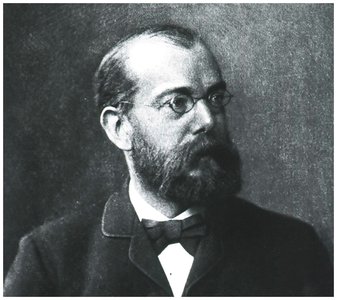
Robert Koch established experimental methods (Koch’s postulates) to link specific microbes to specific diseases, such as anthrax.
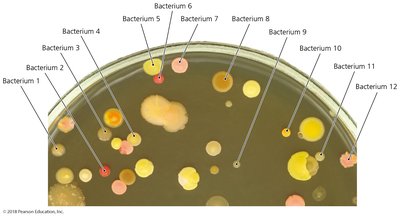
Koch introduced laboratory techniques such as staining, pure culture, and the use of Petri dishes.
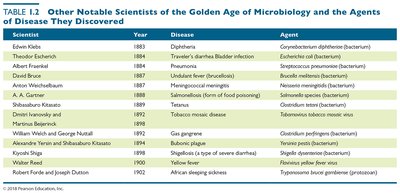
Scientist | Year | Disease | Agent |
|---|---|---|---|
Edwin Klebs | 1883 | Diphtheria | Corynebacterium diphtheriae (bacterium) |
Theodor Escherich | 1885 | Traveler’s diarrhea, Bladder infection | Escherichia coli (bacterium) |
David Bruce | 1887 | Undulant fever (brucellosis) | Brucella melitensis (bacterium) |
Shibasaburo Kitasato | 1889 | Tetanus | Clostridium tetani (bacterium) |
Walter Reed | 1900 | Yellow fever | Flavivirus (virus) |
Robert Forde & Joseph Dutton | 1902 | African sleeping sickness | Trypanosoma brucei gambiense (protozoan) |
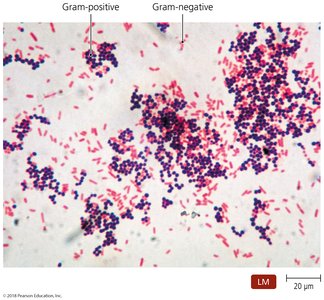
Gram Staining
Hans Christian Gram developed the Gram stain, a differential staining technique that distinguishes between Gram-positive and Gram-negative bacteria, aiding in bacterial identification.
Prevention of Infection and Disease
Semmelweis advocated handwashing to prevent puerperal fever.
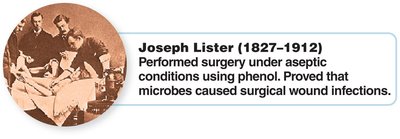
Joseph Lister introduced antiseptic techniques in surgery using phenol.
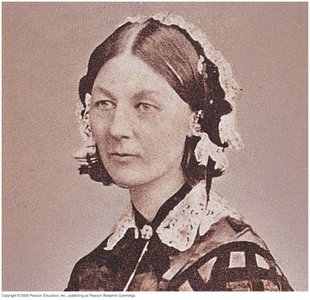
Florence Nightingale applied hygiene practices in nursing.
John Snow’s work laid the foundation for infection control and epidemiology.
Edward Jenner developed the first vaccine (against smallpox), founding immunology.
Paul Ehrlich pioneered chemotherapy with the concept of "magic bullets" to target pathogens.
The Modern Age of Microbiology
Biochemistry and Metabolism
Modern biochemistry began with studies on fermentation and the discovery of enzymes. Microbes serve as model systems for understanding biochemical reactions, leading to applications in medicine, agriculture, and industry.
Microbial Genetics and Molecular Biology
Genes are composed of DNA (Avery, MacLeod, McCarty).
Gene function is linked to protein synthesis (Beadle and Tatum).
Molecular biology explains cell function at the molecular level, including gene expression and regulation.
Woese and Fox classified life into Bacteria, Archaea, and Eukaryotes based on genetic analysis.
Recombinant DNA Technology and Gene Therapy
Genes from various organisms can be manipulated for practical applications (e.g., production of human proteins in bacteria).
Gene therapy involves inserting or repairing genes in humans to treat disease.
Environmental Microbiology
Microorganisms play key roles in recycling elements (carbon, nitrogen, sulfur) and in bioremediation (detoxifying pollutants).
Immunology, Serology, and Chemotherapy
Serology studies blood serum and immune responses.
Immunology focuses on the body’s defenses against pathogens.
Chemotherapy uses chemicals (antibiotics, synthetic drugs) to treat infectious diseases.
Fleming discovered penicillin, the first antibiotic; Domagk discovered sulfa drugs.
Conclusion
Microbiology continues to evolve, driven by new questions and technological advances. Modern research focuses heavily on genetics, molecular biology, and the application of microbes in health, industry, and the environment.
