 Back
BackA Brief History of Microbiology: Foundations, Classification, and Key Discoveries
Study Guide - Smart Notes
 Tailored notes based on your materials, expanded with key definitions, examples, and context.
A Brief History of Microbiology
Introduction to Microbiology
Microbiology is the study of microscopic organisms, including bacteria, archaea, fungi, protozoa, algae, viruses, and small multicellular animals. The field has evolved through centuries of scientific inquiry, beginning with the invention of the microscope and continuing through the development of modern molecular techniques. 
The Early Years of Microbiology
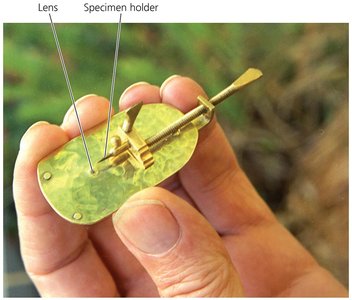
Antoni van Leeuwenhoek and the Discovery of Microorganisms
- **Antoni van Leeuwenhoek (1632–1723):** Pioneered the use of simple microscopes, often crafting a new microscope for each specimen. - **Observations:** Examined water and visualized tiny organisms, which he called "animalcules" or "beasties." - **Impact:** By the end of the 19th century, these organisms were termed microorganisms. 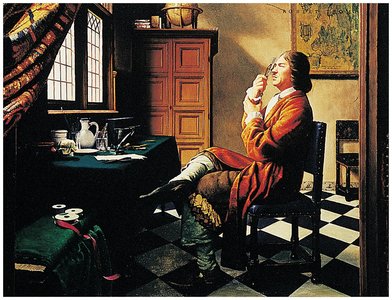
The Microbial World
- **Microorganisms:** Include bacteria, archaea, fungi, protozoa, algae, and small multicellular animals. - **Classification:** Leeuwenhoek observed all major categories except viruses. 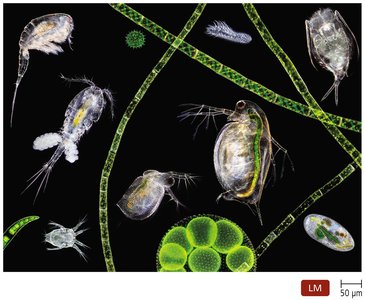
Classification of Microbes
- **Carolus Linnaeus (1707–1778):** Developed a taxonomic system for naming and grouping organisms. - **Six Categories of Microorganisms:** 1. Bacteria 2. Archaea 3. Fungi 4. Protozoa 5. Algae 6. Small multicellular animals
Bacteria and Archaea
- **Prokaryotic cells:** Unicellular, lack nuclei and membrane-bound organelles. - **Size:** Generally smaller than eukaryotes. - **Habitat:** Found everywhere with sufficient moisture; some in extreme environments. - **Reproduction:** Asexual. - **Cell Walls:** Bacteria contain peptidoglycan; archaea have other polymers. - **Pathogenicity:** No archaea are known to cause disease in humans. 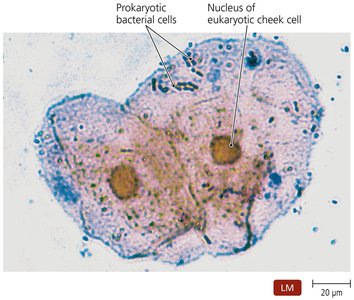
Fungi
- **Eukaryotic:** Have membrane-bound organelles, including a nucleus. - **Nutrition:** Obtain food from other organisms. - **Cell Walls:** Composed of chitin. - **Types:** 1. Molds—multicellular, grow as filaments, reproduce by spores. 2. Yeasts—unicellular, reproduce by budding, some produce sexual spores. 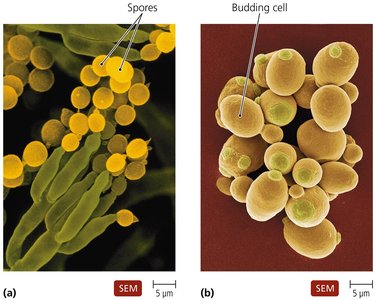
Protozoa
- **Eukaryotic:** Mostly single-celled, not plants, animals, or fungi. - **Nutrition:** Similar to animals. - **Habitat:** Live freely in water and soil; some are parasitic. - **Reproduction:** Mostly asexual, some sexual. - **Locomotion:** 1. Pseudopods—cell extensions for movement. 2. Cilia—short protrusions for propulsion. 3. Flagella—long extensions for movement. 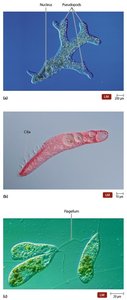
Algae
- **Eukaryotic:** Unicellular or multicellular, photosynthetic. - **Classification:** Based on pigmentation and cell wall composition. 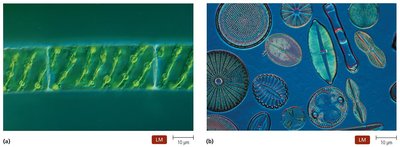
Other Microorganisms
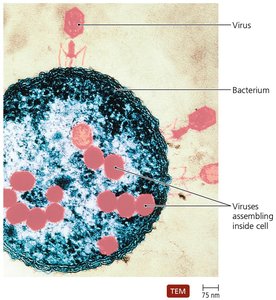
- **Microscopic animals:** Includes parasitic worms. - **Viruses:** Acellular, genetic material surrounded by protein coats. 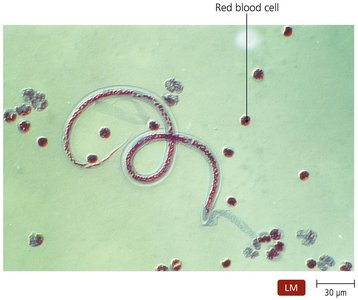
The Golden Age of Microbiology
Key Scientific Questions
During the Golden Age, scientists sought answers to four fundamental questions: 1. Is spontaneous generation of microbial life possible? 2. What causes fermentation? 3. What causes disease? 4. How can we prevent infection and disease?
Spontaneous Generation Debate
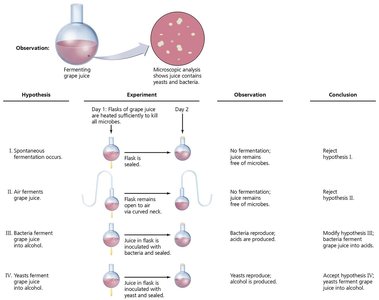
- **Aristotle:** Proposed spontaneous generation—living things arise from nonliving matter. - **Francesco Redi (late 1600s):** Demonstrated that maggots do not develop in meat isolated from flies, challenging spontaneous generation. 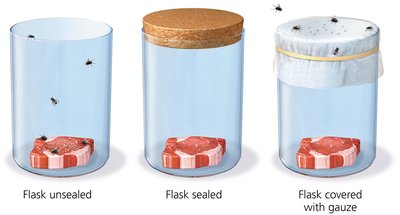 - **John T. Needham:** Supported spontaneous generation with experiments using boiled beef gravy and plant infusions. - **Lazzaro Spallanzani:** Contradicted Needham, showing that microbes do not arise spontaneously when vials are properly sealed and heated. - **Louis Pasteur:** Used "swan-necked" flasks to show that microbial life does not spontaneously generate.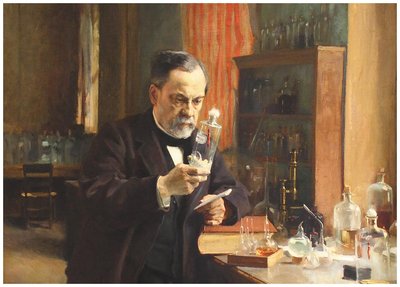
The Scientific Method
The debate over spontaneous generation led to the development of the scientific method: - **Steps:** 1. Observation 2. Question 3. Hypothesis 4. Experiment 5. Results (prove/disprove hypothesis) 6. Theory/law or modification of hypothesis 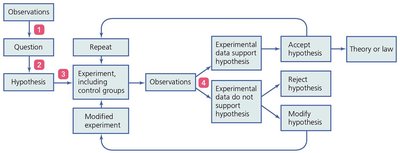
What Causes Fermentation?
- **Pasteur's Experiments:** Demonstrated that fermentation is caused by living organisms, not air. - **Pasteurization:** Heating liquids to kill most bacteria, preventing spoilage. - **Industrial Microbiology:** Intentional use of microbes for manufacturing products. 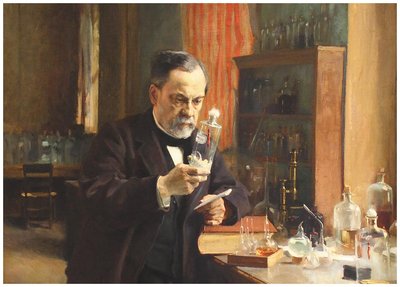
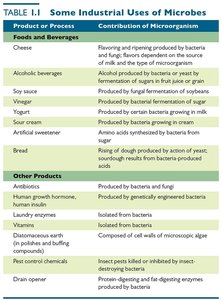
Industrial Uses of Microbes
Product or Process | Contribution of Microorganism |
|---|---|
Cheese | Flavoring and ripening by bacteria and fungi |
Alcoholic beverages | Alcohol produced by bacteria or yeast |
Antibiotics | Produced by bacteria and fungi |
Human growth hormone | Produced by genetically engineered bacteria |
Laundry enzymes | Isolated from bacteria |
Drain opener | Produced by bacteria |
Other products | See table for more examples |
Buchner's Experiments
- **Discovery:** Fermentation does not require living cells; enzymes promote chemical reactions. - **Impact:** Began the field of biochemistry and the study of metabolism.
What Causes Disease?
- **Germ Theory of Disease (Pasteur):** Some diseases are caused by specific germs (pathogens). - **Robert Koch:** Studied causative agents of disease (etiology), demonstrated that a bacterium causes anthrax, and developed laboratory techniques for isolating bacteria. 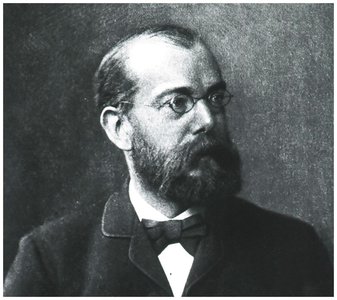
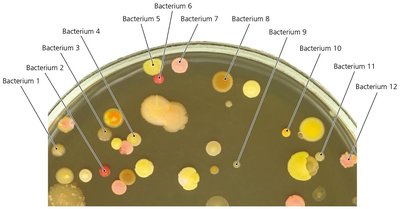
Koch's Postulates
1. Suspected causative agent must be found in every case of the disease and absent from healthy hosts. 2. Agent must be isolated and grown outside the host. 3. When agent is introduced to a healthy, susceptible host, the host must get the disease. 4. Same agent must be found in the diseased experimental host.
Gram's Stain
- **Purpose:** Widely used staining technique; one of the first steps to identify a bacterium.
Other Notable Scientists and Discoveries
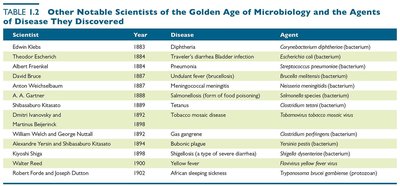
Scientist | Year | Disease | Agent |
|---|---|---|---|
Edwin Klebs | 1883 | Diphtheria | Corynebacterium diphtheriae (bacterium) |
Theodor Escherich | 1885 | Traveler's diarrhea, bladder infection | Escherichia coli (bacterium) |
Dmitri Ivanowski | 1892 | Tobacco mosaic disease | Tobacco mosaic virus (virus) |
Robert Ford and Joseph Dutton | 1902 | African sleeping sickness | Trypanosoma brucei gambiense (protozoan) |
Other scientists | See table for more examples |
How Can We Prevent Infection and Disease?
- **Semmelweis:** Promoted handwashing. - **Lister:** Developed antiseptic techniques. - **Nightingale:** Advanced nursing practices. - **Snow:** Pioneered infection control and epidemiology. - **Jenner:** Developed the first vaccine, founding immunology. - **Ehrlich:** Introduced "magic bullets," beginning chemotherapy.
The Modern Age of Microbiology
Biochemistry and Metabolism
- **Biochemistry:** Study of chemical reactions of life, began with Pasteur and Buchner. - **Applications:** Herbicide and pesticide design, illness diagnosis, metabolic disease treatment, drug design.
Microbial Genetics and Molecular Biology
- **Microbial Genetics:** Study of gene function and expression in microbes. - **Key Discoveries:** Genes are contained in DNA; gene activity relates to protein function; mechanisms of mutation and genetic control. - **Molecular Biology:** Explains cell function at the molecular level; gene sequences reveal evolutionary relationships and taxonomic categories.
Recombinant DNA Technology and Gene Therapy
- **Recombinant DNA Technology:** Manipulation of genes in microbes, plants, and animals for practical applications (e.g., production of human blood-clotting factor by *E. coli*). - **Gene Therapy:** Inserting or repairing genes in humans by introducing desired genes into host cells.
Microorganisms in the Environment
- **Bioremediation:** Use of living bacteria, fungi, and algae to detoxify polluted environments. - **Chemical Recycling:** Microbes recycle carbon, nitrogen, and sulfur. - **Disease Causation:** Some microbes cause disease.
Defending Against Disease
- **Serology:** Study of blood serum and its role in fighting infection. - **Immunology:** Study of the body's defenses against pathogens. - **Chemotherapy:** Use of chemicals to treat diseases; discovery of penicillin and sulfa drugs.
The Future of Microbiology
Microbiology continues to evolve, driven by scientific questions and discoveries. As new questions arise, the field expands, offering deeper understanding and new applications in health, industry, and environmental science.
Summary Table: Fields of Microbiology
Field | Description |
|---|---|
Immunology | Study of immune system and defense against pathogens |
Industrial Microbiology | Use of microbes in manufacturing and industry |
Environmental Microbiology | Role of microbes in ecosystems and bioremediation |
Medical Microbiology | Study of microbes causing disease and their treatment |
Other fields | See table for more examples |
Key Terms and Concepts
- **Microorganism:** A microscopic organism, including bacteria, archaea, fungi, protozoa, algae, viruses, and small multicellular animals. - **Prokaryote:** Unicellular organism lacking a nucleus (bacteria and archaea). - **Eukaryote:** Organism with membrane-bound organelles, including a nucleus (fungi, protozoa, algae). - **Pathogen:** Microbe that causes disease. - **Pasteurization:** Heating liquids to kill most bacteria. - **Bioremediation:** Use of microbes to detoxify environments. - **Gram Stain:** Differential staining technique for bacteria. - **Scientific Method:** Systematic approach to scientific inquiry.
Important Equations
Scientific Method Flow (Generalized)
Pasteurization Temperature (Example)
Microbial Classification (Taxonomic Hierarchy)
Conclusion
The history of microbiology is marked by key discoveries, debates, and technological advances that have shaped our understanding of the microbial world. From the invention of the microscope to the development of molecular genetics and biotechnology, microbiology remains a dynamic and essential field in science and medicine. Additional info: Expanded explanations and context were added to ensure completeness and academic quality.
