 Back
BackA Brief History of Microbiology: Foundations, Classification, and Impact
Study Guide - Smart Notes
 Tailored notes based on your materials, expanded with key definitions, examples, and context.
A Brief History of Microbiology
Introduction to Microbiology
Microbiology is the study of organisms too small to be seen with the naked eye, including bacteria, archaea, fungi, protozoa, algae, and viruses. The field has evolved through the contributions of many scientists, leading to the development of techniques and theories that underpin modern biology and medicine.
Antoni van Leeuwenhoek and the Discovery of Microorganisms
Early Microscopy and "Animalcules"
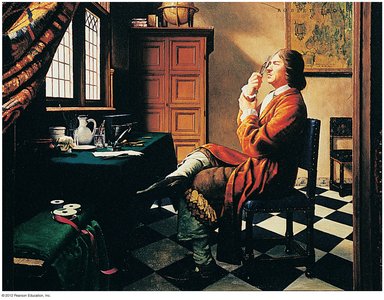
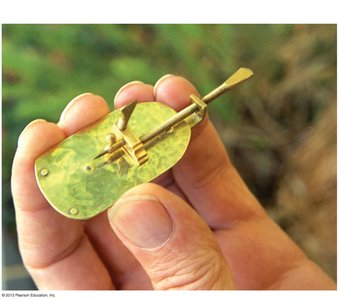
Antoni van Leeuwenhoek (Dutch scientist) was the first to observe and describe microorganisms, which he called "animalcules." He used simple microscopes of his own design to visualize tiny animals, fungi, algae, and single-celled protozoa.
His observations laid the foundation for the field of microbiology.
Classification of Microbes
Taxonomic Systems and Microbial Diversity
Carolus Linnaeus developed a taxonomic system to classify and group organisms based on shared characteristics.
Microorganisms are classified into six categories: Bacteria, Archaea, Fungi, Protozoa, Algae and plants, and Small multicellular animals.
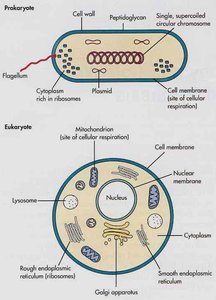
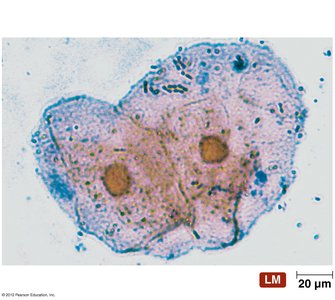
Microbes are further divided into prokaryotes (Bacteria and Archaea) and eukaryotes (Fungi, Protozoa, Algae, and small multicellular animals).
Prokaryotes: Bacteria and Archaea
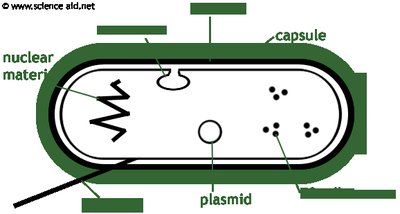
Unicellular organisms lacking a nucleus.
Bacteria have cell walls containing peptidoglycan; archaea have cell walls made of other polymers.
Reproduce asexually, typically by binary fission.
Found in diverse environments with sufficient moisture.
Eukaryotes: Fungi, Protozoa, Algae, and Small Multicellular Animals
Organisms with membrane-bound nuclei and organelles.
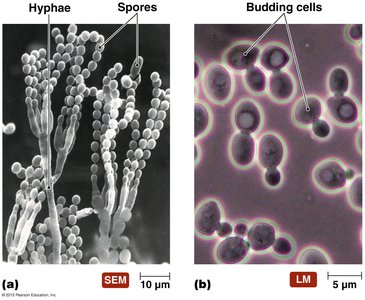
Fungi include molds (multicellular, filamentous, reproduce by spores) and yeasts (unicellular, reproduce by budding or spores).
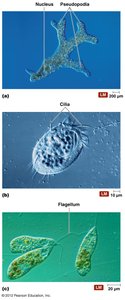
Protozoa are unicellular, mostly motile, and reproduce sexually or asexually.
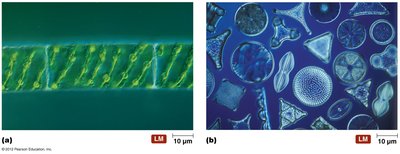
Algae are photosynthetic, unicellular or multicellular, and have simple reproductive structures.
Viruses and Other Infectious Agents
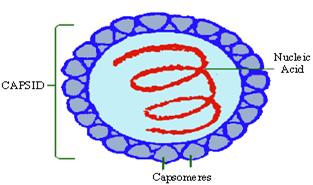
Viruses are not considered living organisms; they are infectious agents composed of genetic material (DNA or RNA) surrounded by a protein coat (capsid), and sometimes an additional envelope.
Viruses require living host cells to replicate.
Bacteriophages are viruses that infect bacteria.
Parasitic Worms
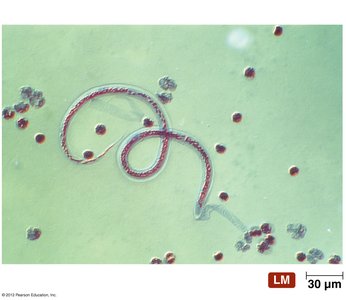
Some multicellular animals, such as parasitic worms (helminths), are studied in microbiology due to their microscopic life stages.
Spontaneous Generation and the Scientific Method
Historical Debate: Spontaneous Generation
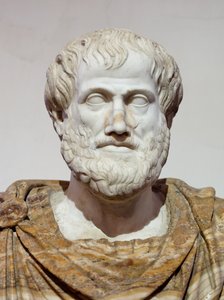
Spontaneous generation was the belief that living organisms could arise from nonliving matter, as proposed by Aristotle.
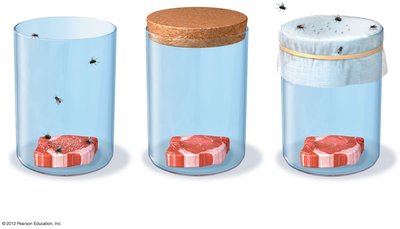
Experiments by Redi, Needham, Spallanzani, and Pasteur tested this hypothesis, ultimately disproving it.
The Scientific Method
The debate over spontaneous generation contributed to the development of the scientific method, a systematic approach to experimentation and hypothesis testing.
Key steps: Observation, Question, Hypothesis, Experiment (with controls), Analysis, Conclusion, and Theory/Law formation.

Fermentation and the Germ Theory of Disease
Fermentation
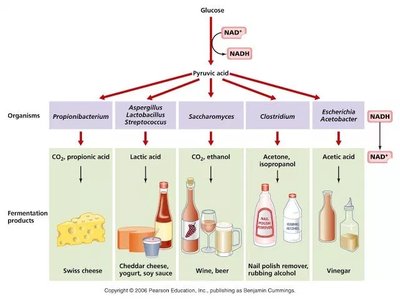
Fermentation is a metabolic process by which microbes convert sugars into products such as alcohol, acids, and gases.
Pasteur's experiments demonstrated that yeast ferments grape juice into alcohol, while bacteria produce acids.
Industrial Uses of Microbes
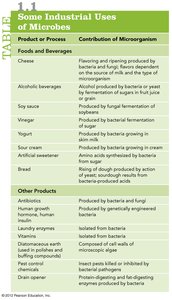
Microorganisms are used in various industries for the production of foods, beverages, antibiotics, and other products.
Product or Process | Contribution of Microorganism |
|---|---|
Cheese | Flavoring and ripening by bacteria and fungi |
Alcoholic beverages | Fermentation by yeast or bacteria |
Vinegar | Produced by bacteria growing in alcohol |
Antibiotics | Produced by bacteria and fungi |
Insulin | Produced by genetically engineered bacteria |
Laundry enzymes | Isolated from bacteria |
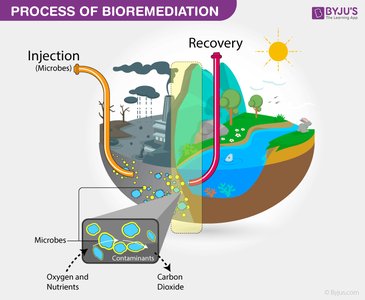
Bioremediation | Microbes used to detoxify pollutants |
Germ Theory of Disease
The Germ Theory of Disease states that specific diseases are caused by specific microorganisms.
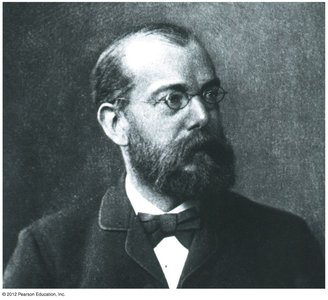
Louis Pasteur and Robert Koch were instrumental in establishing this theory.
Koch's postulates provide a framework for linking specific microbes to specific diseases.
Staining Techniques and Microbial Identification
Gram Staining
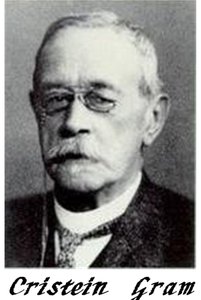
Developed by Hans Christian Gram, this technique differentiates bacteria based on cell wall composition.
Gram-positive bacteria stain purple; Gram-negative bacteria stain pink.
Gram staining is essential for bacterial classification and diagnosis.
Prevention and Control of Infectious Diseases
Early Pioneers in Infection Control
Semmelweis: Advocated handwashing to reduce puerperal fever.
Joseph Lister: Introduced antiseptic techniques in surgery.
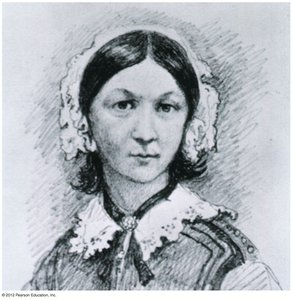
Florence Nightingale: Improved nursing practices and hospital sanitation.
Modern Microbiology: Biochemistry, Genetics, and Applications
Microbial Biochemistry
Microbes carry out basic chemical reactions of life, similar to higher organisms.
They are used as model systems for studying metabolism, drug design, and disease treatment.
Microbial Genetics and Molecular Biology
Microbial genetics explores how microbes inherit traits and transfer genes, including virulence factors.
Recombinant DNA technology allows manipulation of microbial genes for practical applications, such as insulin production and gene therapy.
Microbes in the Environment
Microbes play key roles in bioremediation, recycling elements like carbon, nitrogen, and sulfur, and maintaining ecosystem health.
Defense Against Disease
Serology: Study of blood serum and its components, especially antibodies.
Immunology: Study of the immune system and body defenses against pathogens.
Chemotherapy: Use of chemicals (e.g., antibiotics, sulfa drugs) to treat infectious diseases.
Additional info: Where original slides were brief, academic context and definitions were expanded for clarity and completeness.
