 Back
BackA Brief History of Microbiology: Foundations, Discoveries, and Modern Developments
Study Guide - Smart Notes
 Tailored notes based on your materials, expanded with key definitions, examples, and context.
Chapter 1: A Brief History of Microbiology
The Early Years of Microbiology
Microbiology began with the discovery of microscopic life forms and the development of tools to observe them. Early scientists laid the foundation for understanding the diversity and classification of microorganisms.
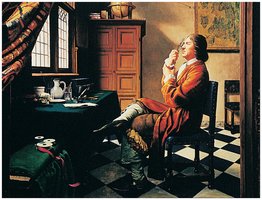
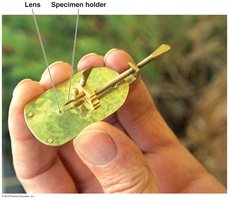
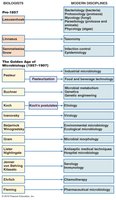
Antoni van Leeuwenhoek: Developed simple microscopes in the late 1600s and was the first to observe and describe "animalcules" (microorganisms) in water, including bacteria, fungi, algae, and protozoa.
Microorganisms: By the end of the 19th century, these organisms were collectively referred to as microorganisms or microbes.
Classification: Carolus Linnaeus (1758) established a taxonomic system, initially dividing life into plants and animals. Modern classification recognizes three domains: Archaea, Bacteria, and Eukarya.
Classification of Microorganisms
Microorganisms are diverse and span all domains and kingdoms of life. Their classification is based on cellular structure, reproduction, and other characteristics.
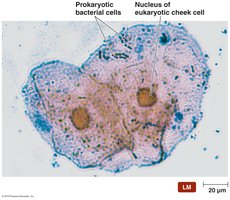
Prokaryotes: Bacteria and Archaea are unicellular, lack nuclei, and reproduce asexually. Bacterial cell walls contain peptidoglycan, while archaeal cell walls are composed of other polymers.
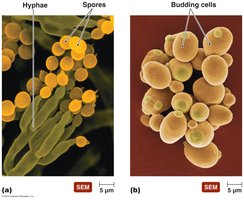
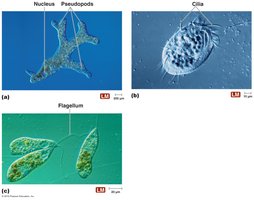
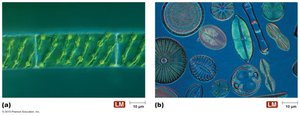
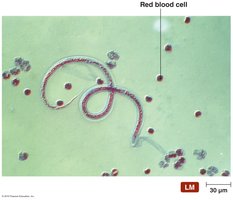
Eukaryotes: Fungi, Protozoa, Algae, and Parasites possess membrane-bound nuclei. Fungi include multicellular molds and unicellular yeasts; protozoa are single-celled and often motile; algae are photosynthetic and can be unicellular or multicellular; parasites are multicellular and often have complex life cycles.
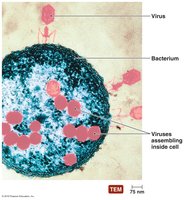
Viruses: Acellular entities composed of nucleic acid (DNA or RNA) and protein, lacking metabolic activity and requiring host cells for replication.
The Golden Age of Microbiology
Major Questions and Experiments
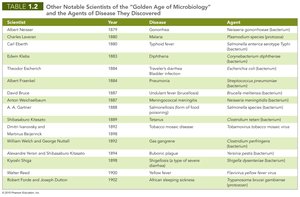
The Golden Age (1857–1911) was marked by rapid advances in microbiology, including the discovery of disease-causing microbes and the development of experimental methods.
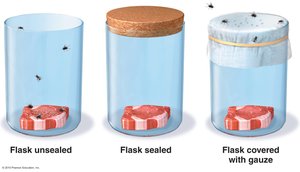
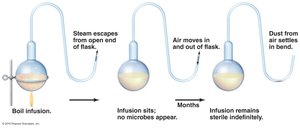
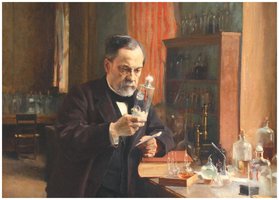
Spontaneous Generation: The idea that life could arise from nonliving matter was challenged by experiments from Redi, Needham, Spallanzani, and Pasteur. Pasteur's "swan-necked flask" experiment definitively disproved spontaneous generation for microbes.
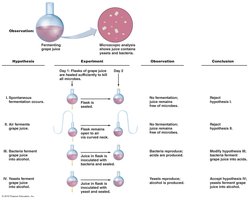
Fermentation: Pasteur demonstrated that fermentation is caused by living cells (yeast), while Buchner showed that enzymes (proteins) can catalyze fermentation without living cells, founding biochemistry.
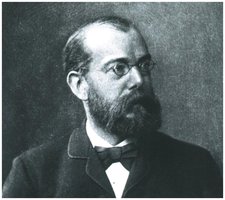
Germ Theory of Disease: Pasteur and Koch established that specific microbes cause specific diseases. Koch developed postulates to prove causation of infectious diseases.

Koch's Postulates and Laboratory Techniques
Koch's postulates are a set of criteria used to establish the causative relationship between a microbe and a disease. His laboratory innovations advanced microbiological research.
Koch's Postulates:
Suspected agent must be found in every case of the disease and absent from healthy hosts.
Agent must be isolated and grown outside the host.
When introduced into a healthy host, the agent must cause the disease.
Same agent must be found in the diseased experimental host.
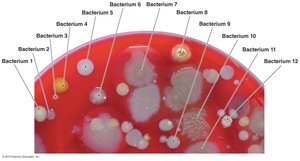
Laboratory Techniques: Simple staining, photomicrography, CFU estimation, steam sterilization, Petri dishes, and bacterial transfer methods.
Gram Staining
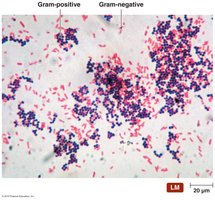
Gram staining, developed by Hans Christian Gram, is a fundamental technique for differentiating bacterial species based on cell wall properties.
Gram-positive: Retain crystal violet dye and appear purple.
Gram-negative: Do not retain crystal violet and appear red or pink.
Prevention of Infection and Disease
Advances in hygiene, antiseptic techniques, and public health were driven by key figures in medicine and microbiology.
Semmelweis: Introduced handwashing in hospitals, reducing mortality rates.
Lister: Developed antiseptic surgery using carbolic acid.
Nightingale: Advocated for cleanliness and hospital reform.
Snow: Mapped cholera outbreaks, founding epidemiology.
Jenner: Developed smallpox vaccine, founding immunology.
Ehrlich: Searched for "magic bullets" (chemotherapy).
The Modern Age of Microbiology
Biochemistry and Metabolism
Biochemistry studies the chemical reactions (metabolism) in living organisms. Microbes serve as model systems for understanding these processes.
Applications: Herbicide and pesticide design, medical diagnostics, treatment of metabolic diseases, and drug development.
Genetics and Molecular Biology
Microbial genetics has led to major discoveries about inheritance, gene function, and molecular biology.
Key Discoveries: Genes are DNA (Avery, MacLeod, McCarty); gene activity relates to protein function (Beadle, Tatum); gene sequencing reveals evolutionary relationships (Pauling, Woese).
Recombinant DNA Technology: Manipulation of genes for practical applications, such as producing human blood-clotting factors in E. coli.
Gene Therapy: Inserting or repairing genes in humans to treat genetic disorders.
Microorganisms in the Environment
Microbes play essential roles in environmental processes, including bioremediation and nutrient cycling.
Bioremediation: Use of bacteria, fungi, and algae to detoxify polluted environments.
Nitrogen Fixation: Conversion of nitrogen gas to nitrate by microbes, supporting plant growth.
Defending Against Disease
Microbiology has contributed to understanding and treating infectious diseases through serology, immunology, and chemotherapy.
Serology: Study of blood serum and immune responses.
Immunology: Study of the body's defenses against pathogens.
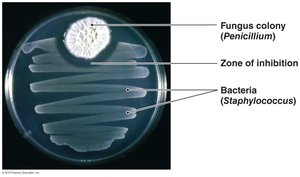
Chemotherapy: Use of chemicals to treat disease; discovery of penicillin (Fleming) and sulfa drugs (Domagk).
Fields and Disciplines in Microbiology
Microbiology encompasses a wide range of disciplines, each focusing on different aspects of microbial life and processes.
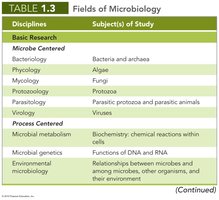
Discipline | Subject(s) of Study |
|---|---|
Bacteriology | Bacteria and archaea |
Phycology | Algae |
Mycology | Fungi |
Protozoology | Protozoa |
Parasitology | Parasitic protozoa and animals |
Virology | Viruses |
Microbial metabolism | Biochemistry: chemical reactions within cells |
Microbial genetics | Functions of DNA and RNA |
Environmental microbiology | Relationships between microbes and their environment |
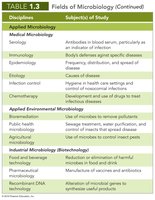
Serology | Antibodies in blood serum |
Immunology | Body's defenses against disease |
Epidemiology | Frequency and distribution of disease |
Infection control | Prevention of disease spread |
Chemotherapy | Use of chemicals to treat disease |
Applied environmental microbiology | Sewage treatment, water purification |
Industrial microbiology | Production of food, drugs, and chemicals |
Pharmaceutical microbiology | Manufacture of vaccines and antibiotics |
Recombinant DNA technology | Alteration of genes to synthesize useful products |
The Future of Microbiology
Microbiology continues to evolve, addressing questions about disease control, microbial resistance, environmental applications, and the positive roles of microbes in health and technology.
