 Back
BackAdaptive Immunity: Principles and Components
Study Guide - Smart Notes
 Tailored notes based on your materials, expanded with key definitions, examples, and context.
Adaptive Immunity: Principles and Components
Key Features of Adaptive Immunity
Specificity: Targets particular antigens with precision.
Memory: Remembers previous encounters, enabling rapid and effective responses upon re-exposure.
Primary Response: Takes days to weeks to develop after first exposure.
Secondary Response: Much faster and more robust due to memory cells.
Primary and Secondary Lymphoid Tissues
Primary Lymphoid Tissues
These are the sites where leukocytes (white blood cells) are produced and mature. The main primary lymphoid organs are the thymus and bone marrow.
Thymus: Located behind the sternum; site of T cell maturation.
Bone Marrow: Spongy tissue in bones; site of both red and white blood cell production and B cell maturation.
Secondary Lymphoid Tissues
These tissues filter lymph and blood, sample antigens, and are sites where immune responses are initiated.
Lymph Nodes: Filter lymph, house leukocytes, and swell during infection due to leukocyte proliferation.
Spleen: Filters blood, removes damaged erythrocytes, and provides a site for immune surveillance.
Mucosa-Associated Lymphoid Tissue (MALT): Found in mucosal linings (e.g., tonsils, appendix, Peyer’s patches); key in defending mucosal surfaces.
Leukocytes: Types and Functions
Classification of Leukocytes
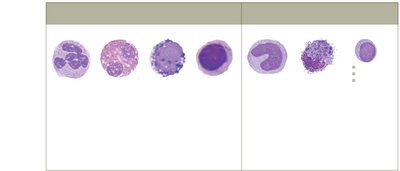
Leukocytes are divided into granulocytes and agranulocytes based on the presence of cytoplasmic granules.
Granulocytes | Agranulocytes |
|---|---|
Neutrophils, Eosinophils, Basophils, Mast cells | Monocytes, Dendritic cells, Lymphocytes (NK, B, T cells) |
Visible granules, phagocytic activity, attack bacteria, allergens, parasites | Lack granules, phagocytic (monocytes, dendritic), adaptive immunity (lymphocytes) |
Lymphocytes
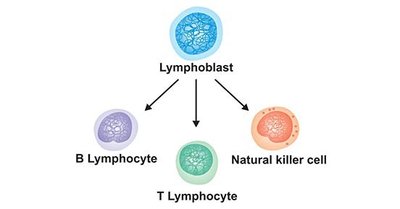
Lymphocytes are central to adaptive immunity and include B cells, T cells, and natural killer (NK) cells.
B cells: Mature in bone marrow; produce antibodies.
T cells: Mature in thymus; include helper (CD4+) and cytotoxic (CD8+) subsets.
NK cells: Part of innate immunity; target virus-infected and tumor cells.
Antigens and Immunogenicity
Definition and Types of Antigens
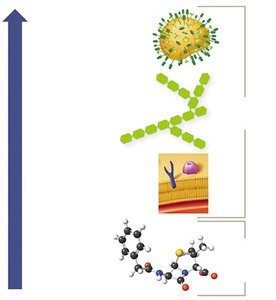
An antigen is any substance that can trigger an immune response if presented in the right context. Most antigens are proteins or polysaccharides from pathogens, but lipids and small molecules (haptens) can also act as antigens.
Proteins: e.g., viral surface proteins
Polysaccharides: e.g., bacterial capsules
Lipids: e.g., LPS of Gram-negative bacteria
Haptens: Small molecules that become immunogenic when attached to larger carriers
Epitopes
Epitopes are specific regions on antigens recognized by B and T cell receptors. Each lymphocyte recognizes a single epitope, but the immune system as a whole can recognize a vast array of epitopes.
Summary Table: Key Cells and Functions in Adaptive Immunity
Cell Type | Main Function | Location of Maturation |
|---|---|---|
B cell | Produce antibodies | Bone marrow |
T helper cell (CD4+) | Activate B cells, secrete cytokines | Thymus |
T cytotoxic cell (CD8+) | Kill infected/cancerous cells | Thymus |
NK cell | Innate killing of abnormal cells | Bone marrow |
Key Concepts and Takeaways
Adaptive immunity is highly specific and provides long-term protection through memory cells.
B and T lymphocytes are central to adaptive responses, with distinct roles in humoral and cellular immunity.
Antigen recognition, lymphocyte activation, clonal expansion, and memory formation are the core stages of adaptive immunity.
Primary and secondary lymphoid tissues coordinate the development, activation, and deployment of immune cells.
