 Back
BackAntibiotics and Drug Resistance: Mechanisms, Examples, and Clinical Implications
Study Guide - Smart Notes
 Tailored notes based on your materials, expanded with key definitions, examples, and context.
Antibiotics and Drug Resistance
Introduction to Antibiotic Resistance
Antibiotic resistance is a major concern in microbiology and medicine, referring to the ability of microorganisms to withstand the effects of antimicrobial drugs. This phenomenon is both natural and accelerated by human activities, such as the overuse and misuse of antibiotics. Resistance mechanisms predate human use of antibiotics, as evidenced by the presence of resistance plasmids in bacteria isolated before the clinical introduction of certain drugs.
Antimicrobial resistance is the ability of a microorganism to resist the effects of a chemotherapeutic agent.
Resistance genes can be found on R plasmids and are often transferred horizontally between bacteria.
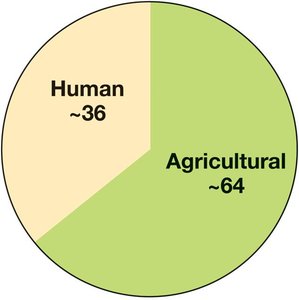
Antibiotic resistance is exacerbated by the careless use of antibiotics in medicine and agriculture.
Emergence and Spread of Drug Resistance
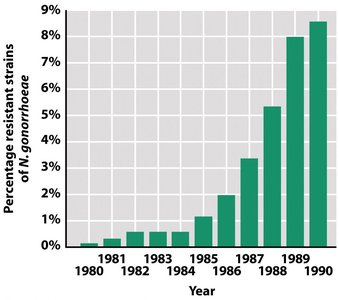
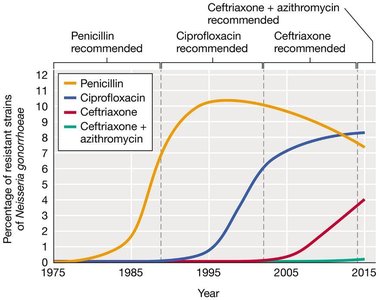
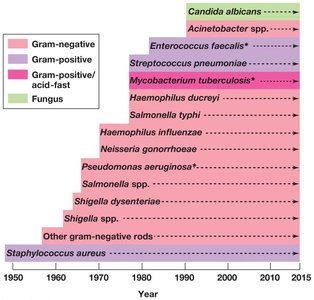
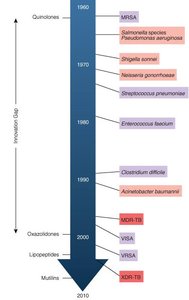
The emergence of drug-resistant pathogens is a growing threat, with several clinically significant bacteria developing resistance to multiple antibiotics over time. The spread of resistance can be tracked epidemiologically and is often associated with increased antibiotic usage.
Examples of resistant pathogens include Neisseria gonorrhoeae, MRSA (Methicillin-resistant Staphylococcus aureus), PRSP (Penicillin-resistant Streptococcus pneumoniae), MDR-TB (Multidrug-resistant Mycobacterium tuberculosis), XDR-TB (Extensively drug-resistant TB), and VRE (Vancomycin-resistant enterococci).
Antibiotics: Types, Targets, and Mechanisms
Definition and General Properties
Antibiotics are antimicrobial compounds naturally produced by microorganisms as secondary metabolites. They function by killing or inhibiting the growth of other microbes, often by targeting essential molecular processes.
Antibiotics can be bactericidal (kill bacteria) or bacteriostatic (inhibit growth).
They are classified based on their chemical structure, spectrum of activity, and mechanism of action.
Major Antibiotic Targets in Bacteria
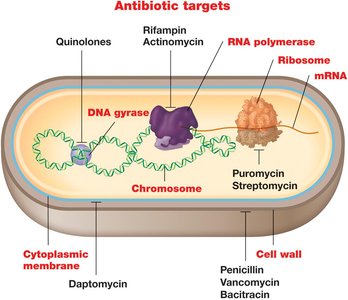
Antibiotics target several essential processes in bacteria, including cell wall synthesis, protein synthesis, nucleic acid synthesis, and cell membrane integrity.
Cell wall synthesis: β-lactams (penicillins, cephalosporins), vancomycin, bacitracin
Protein synthesis: Aminoglycosides, tetracyclines, macrolides
DNA replication: Quinolones (e.g., ciprofloxacin)
RNA synthesis: Rifampin, actinomycin
Cell membrane: Daptomycin, polymyxins
Examples of Antibiotic Classes and Their Mechanisms
Antibiotic | Mode of Action | Effective Against | Example & Source |
|---|---|---|---|
Aminoglycosides | Bind to 30S ribosomal subunit | Gram-negative bacteria | Kanamycin, Streptomyces kanamyceticus |
Tetracyclines | Bind to 30S ribosomal subunit | Broad-spectrum | Tetracycline, Streptomyces rimosus |
Macrolides | Bind to 50S ribosomal subunit | Alternative to penicillin | Erythromycin, Saccharopolyspora erythraea |
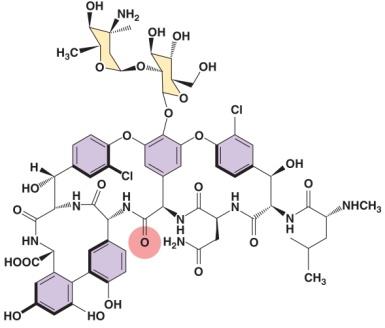
Vancomycin | Binds to peptidoglycan precursor pentapeptide | Gram-positive bacteria | Amycolatopsis orientalis |
Daptomycin | Binds to and depolarizes cell membrane | Gram-positive bacteria | Streptomyces roseosporus |
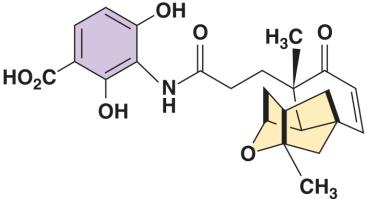
Platensimycin | Inhibits fatty acid biosynthesis enzymes | Gram-positive bacteria (including MRSA, VRE) | Streptomyces platensis |
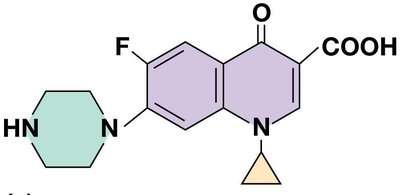
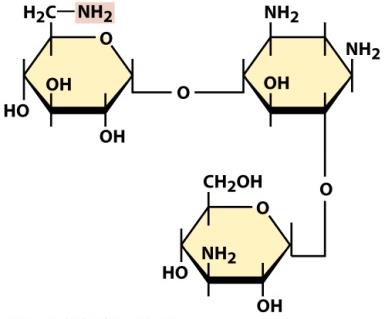
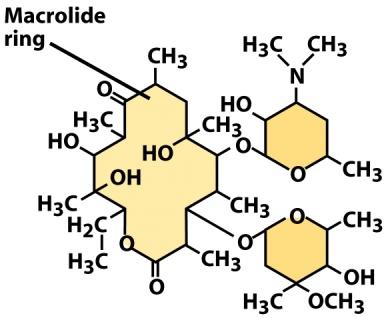
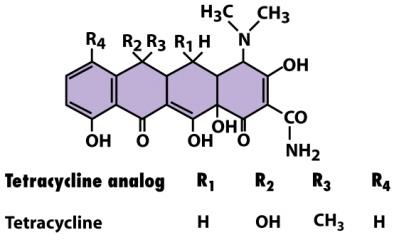
β-Lactam Antibiotics
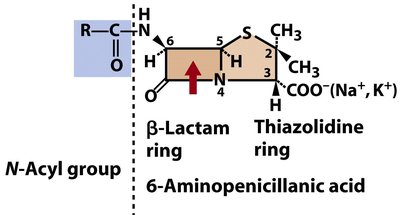
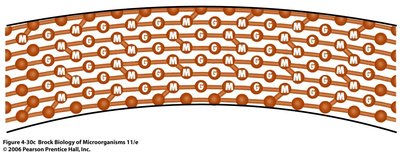
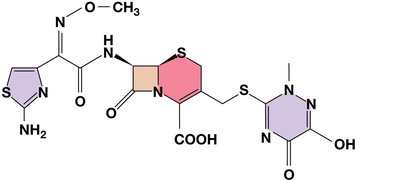
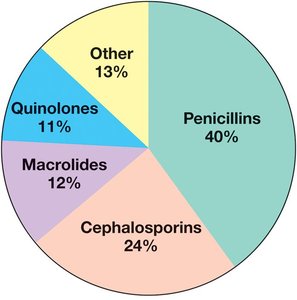
β-lactam antibiotics, including penicillins and cephalosporins, are the most important clinical antibiotics due to their low host toxicity and effectiveness against a broad range of bacteria. They inhibit cell wall synthesis by binding to transpeptidases, preventing cross-linking of peptidoglycan strands.
Penicillins: Natural and semisynthetic derivatives with varying spectra and resistance to β-lactamases.
Cephalosporins: Broader spectrum and more resistant to β-lactamases than penicillins.
Mechanisms of Antibiotic Resistance
Overview of Resistance Mechanisms
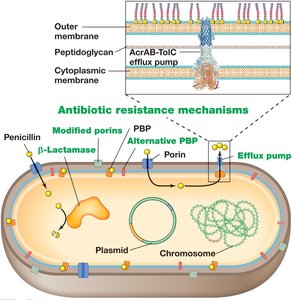
Bacteria employ several strategies to resist the effects of antibiotics. These mechanisms can be intrinsic or acquired through mutation or horizontal gene transfer.
Lack of target structure
Reduced permeability to antibiotic
Enzymatic inactivation of antibiotic
Alteration of antibiotic target
Development of resistant biochemical pathways
Efflux pumping of antibiotic out of the cell
Genetic Basis of Resistance
Resistance can arise from spontaneous mutations or acquisition of resistance genes via mobile genetic elements such as plasmids. Horizontal gene transfer plays a significant role in the spread of resistance.
Modification of drug target
Enzymatic inactivation (e.g., β-lactamase)
Efflux pumps (e.g., AcrAB-TolC in E. coli)
Metabolic bypasses
Efflux Pumps and Biofilm-Mediated Resistance
Efflux pumps are membrane proteins that expel antibiotics from the cell, reducing intracellular concentrations and contributing to multidrug resistance. Biofilm growth further increases resistance by upregulating efflux pump genes and providing a protective environment.
Metabolic Bypasses and MRSA
Some bacteria bypass the metabolic pathways targeted by antibiotics. For example, MRSA (Methicillin-resistant Staphylococcus aureus) produces an alternative penicillin-binding protein (MecA) that is not inhibited by β-lactams, allowing cell wall synthesis to continue in the presence of these drugs.
Persistence and Dormancy
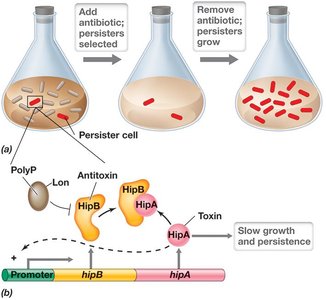
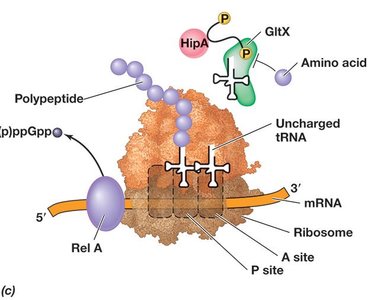
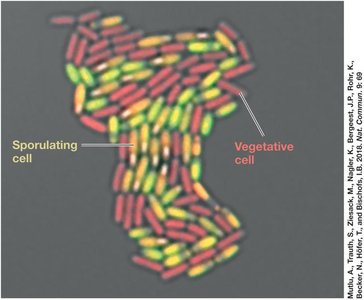
Persistence refers to a subpopulation of bacteria that are transiently tolerant to multiple antibiotics due to dormancy. These persisters are genetically identical to susceptible cells but survive antibiotic treatment by entering a non-growing state. Toxin-antitoxin (TA) modules, such as HipA-HipB in E. coli, regulate persistence by inhibiting translation and triggering the stringent response.
Clinical and Public Health Implications
Selection and Evolution of Resistance
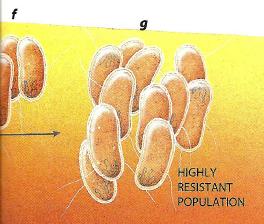
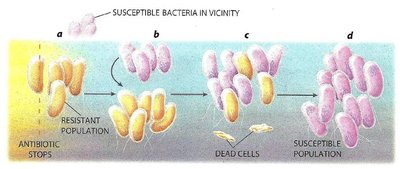
Antibiotic use selects for resistant bacteria, promoting their evolution and spread. After antibiotic exposure, resistant populations can dominate, leading to treatment failures and recurring infections.
Emergence of New Resistant Pathogens
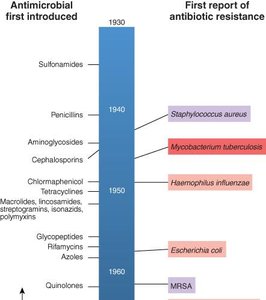
New antimicrobial drug-resistant human pathogens continue to emerge, while the discovery of new antibiotics has slowed. This highlights the need for alternative strategies and prudent antibiotic use.
Development of New Antimicrobial Compounds
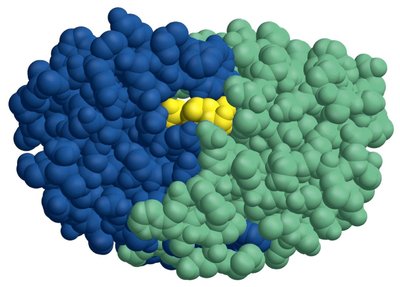
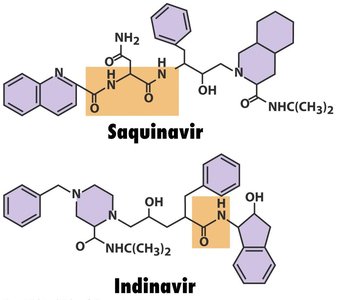
To combat drug-resistant pathogens, new antimicrobial compounds are being developed, including analogs of existing drugs, computer-designed molecules, and antibiotics from previously undiscovered organisms. Alternative approaches such as anti-quorum sensing molecules and bacteriocins are also being explored.
Antibiotic Usage and Resistance Trends
Antibiotic usage patterns influence the prevalence of resistance. Overuse and misuse in both human medicine and agriculture accelerate the development of resistance. Monitoring and regulating antibiotic use is essential for controlling resistance.
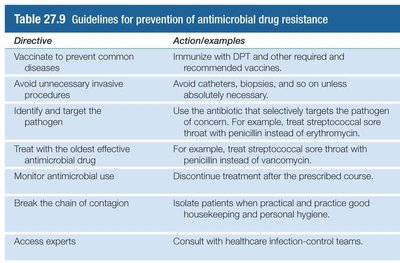
Summary Table: Guidelines for Prevention of Antimicrobial Drug Resistance
Directive | Action/Examples |
|---|---|
Vaccinate to prevent common diseases | Immunize with DPT and other required and recommended vaccines. |
Avoid unnecessary invasive procedures | Avoid catheters, biopsies, and so on unless absolutely necessary. |
Identify and target the pathogen | Use the antibiotic that selectively targets the pathogen of concern. |
Treat with the oldest effective antimicrobial drug | For example, treat streptococcal sore throat with penicillin instead of vancomycin. |
Monitor antimicrobial use | Discontinue treatment after the prescribed course. |
Break the chain of contagion | Isolate patients when practical and practice good housekeeping and personal hygiene. |
Access experts | Consult with healthcare infection-control teams. |
Conclusion
Antibiotic resistance is a complex and evolving challenge in microbiology and medicine. Understanding the mechanisms of action of antibiotics, the genetic and biochemical bases of resistance, and the clinical implications is essential for developing effective strategies to combat resistant infections and preserve the efficacy of existing drugs.
