 Back
BackAntimicrobial Drugs and Microbial Diseases of the Skin and Eyes: Study Notes
Study Guide - Smart Notes
 Tailored notes based on your materials, expanded with key definitions, examples, and context.
Antimicrobial Drugs
Introduction to Chemotherapy and Antimicrobial Drugs
Chemotherapy refers to the use of chemicals to treat diseases, particularly infections caused by microorganisms. Antimicrobial drugs include antibiotics (produced by microbes) and synthetic compounds that inhibit or kill pathogens. The concept of selective toxicity is central, meaning the drug targets the pathogen without harming the host.
Antibiotic: Substance produced by a microbe that inhibits other microbes.
Antimicrobial drug: Synthetic or natural substance that interferes with microbial growth.
Spectrum of activity: Narrow-spectrum drugs target specific groups; broad-spectrum drugs affect a wide range of microbes.
Superinfection: Overgrowth of resistant normal microbiota due to antibiotic use.
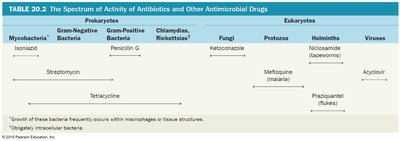
Mechanisms of Antimicrobial Action
Antimicrobial drugs act through several mechanisms to inhibit or kill microbes:
Bactericidal: Kill microbes directly.
Bacteriostatic: Inhibit microbial growth, allowing the immune system to eliminate the pathogen.
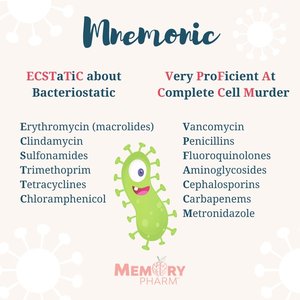
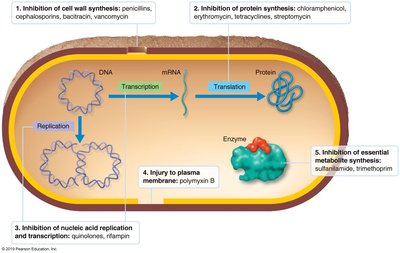
Major Mechanisms of Action
Inhibition of cell wall synthesis: e.g., penicillins, cephalosporins, bacitracin, vancomycin.
Inhibition of protein synthesis: e.g., chloramphenicol, erythromycin, tetracyclines, streptomycin.
Inhibition of nucleic acid replication and transcription: e.g., quinolones, rifampin.
Injury to plasma membrane: e.g., polymyxin B.
Inhibition of essential metabolite synthesis: e.g., sulfanilamide, trimethoprim.
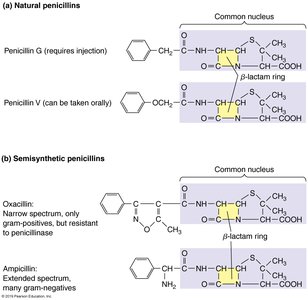
Inhibitors of Cell Wall Synthesis
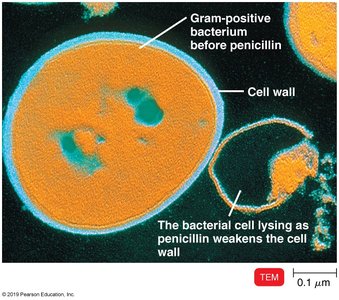
These drugs prevent the synthesis of peptidoglycan, weakening the cell wall and causing cell lysis, especially in Gram-positive bacteria.
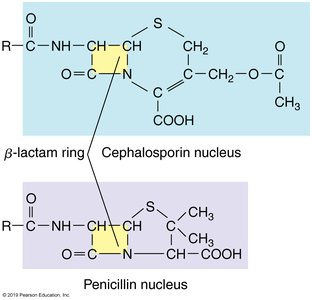
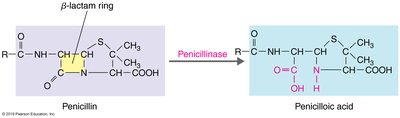
Penicillins: Contain a β-lactam ring; prevent cross-linking of peptidoglycans.
Cephalosporins: Similar to penicillins but with a different β-lactam ring structure.
Polypeptide antibiotics: Bacitracin (topical), vancomycin (last line against MRSA).
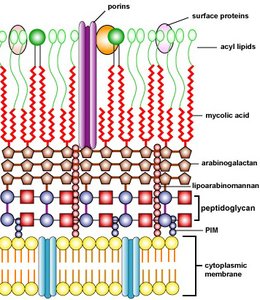
Antimycobacterial antibiotics: Isoniazid and ethambutol target mycolic acid synthesis in Mycobacterium.
Inhibitors of Protein Synthesis
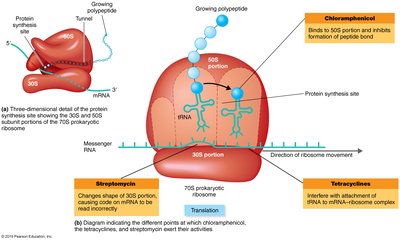
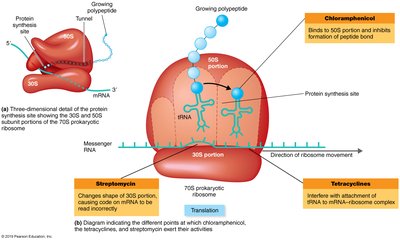
These drugs target bacterial 70S ribosomes, interfering with translation and protein production.
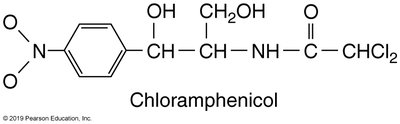
Chloramphenicol: Inhibits peptide bond formation at the 50S subunit; broad spectrum but can suppress bone marrow.
Aminoglycosides: Change the shape of the 30S subunit, causing misreading of mRNA (e.g., streptomycin, gentamicin).
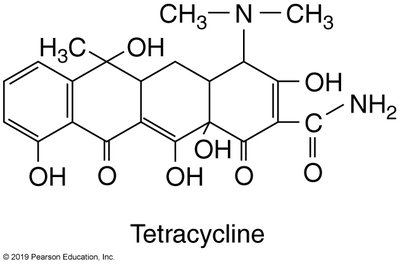
Tetracyclines: Block tRNA attachment to the ribosome; broad spectrum, effective against intracellular pathogens.
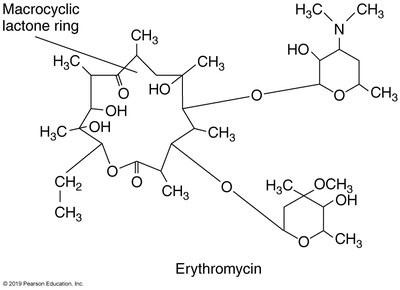
Macrolides: Contain a macrocyclic lactone ring; e.g., erythromycin, effective against Gram-positive bacteria.
Inhibitors of Nucleic Acid Synthesis
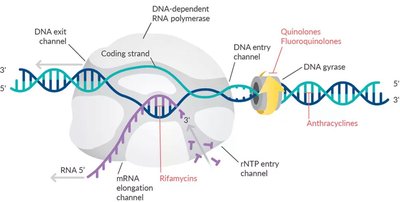
These drugs interfere with DNA replication or transcription, targeting enzymes like DNA gyrase or RNA polymerase.
Rifamycins: Inhibit mRNA synthesis; used for tuberculosis and leprosy.
Quinolones/Fluoroquinolones: Inhibit DNA gyrase; broad spectrum (e.g., ciprofloxacin).
Inhibitors of Essential Metabolite Synthesis
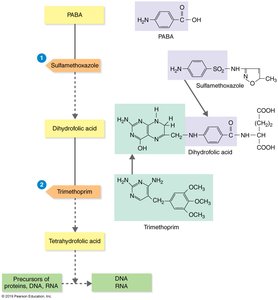
These drugs act as antimetabolites, competing with normal substrates for bacterial enzymes. A classic example is the inhibition of folic acid synthesis.
Sulfonamides: Inhibit the enzyme for PABA production, blocking folic acid synthesis. Humans are unaffected because they obtain folic acid from their diet.
Trimethoprim: Often used in combination with sulfonamides for synergistic effect.
Antifungal Drugs
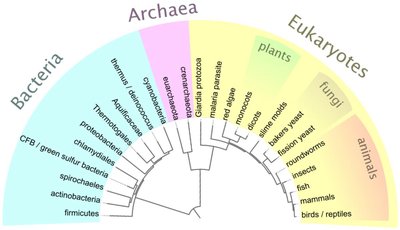
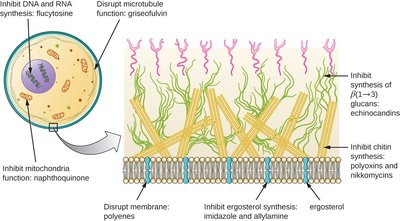
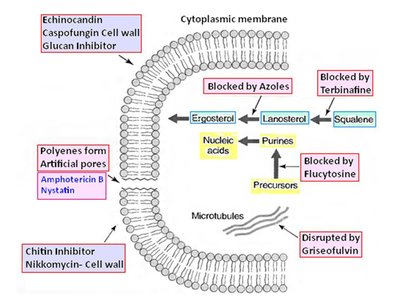
Fungi are eukaryotes, making selective toxicity more challenging. Antifungal drugs target unique fungal structures such as ergosterol in membranes or β-glucan in cell walls.
Polyenes (e.g., amphotericin B): Bind to ergosterol, forming pores in the membrane.
Azoles: Inhibit ergosterol synthesis (e.g., imidazoles, triazoles).
Echinocandins: Inhibit β-glucan synthesis in the cell wall.
Flucytosine: Inhibits nucleic acid synthesis.
Griseofulvin: Inhibits microtubule formation, used for dermatophyte infections.
Antiviral, Antiprotozoan, and Antihelminthic Drugs
Antiviral drugs are fewer due to the challenge of targeting viruses without harming host cells. They may inhibit viral entry, uncoating, nucleic acid synthesis, or release. Antiprotozoan and antihelminthic drugs target unique aspects of these eukaryotic pathogens.
Antiviral: Acyclovir (herpes), inhibitors of reverse transcriptase (HIV), protease inhibitors, integrase inhibitors.
Antiprotozoan: Quinine, chloroquine (malaria), metronidazole (anaerobic protozoa).
Antihelminthic: Niclosamide (tapeworms), mebendazole (intestinal helminths), ivermectin (roundworms).
Testing Antimicrobial Efficacy
Laboratory methods are used to determine the effectiveness of antimicrobial drugs against specific pathogens.
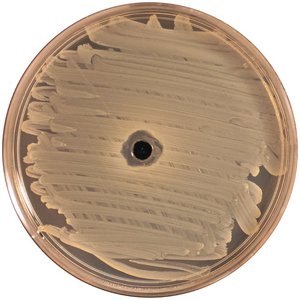
Kirby-Bauer disk diffusion test: Measures the zone of inhibition around antibiotic disks on an agar plate.
E test: Determines the minimal inhibitory concentration (MIC).
Broth dilution test: Determines MIC and minimal bactericidal concentration (MBC).
Antimicrobial Resistance
Resistance arises through genetic changes and is often spread via plasmids or transposons. Mechanisms include enzymatic drug inactivation, alteration of target sites, decreased permeability, and increased efflux.
Superbugs: Bacteria resistant to multiple antibiotics.
Persister cells: Survive antibiotic treatment due to genetic traits.
Antibiotic Misuse and Safety
Misuse of antibiotics accelerates resistance. Safety considerations include the therapeutic index (risk vs. benefit), drug interactions, and potential organ toxicity.
Synergism: Combined effect of drugs is greater than individual effects.
Antagonism: Combined effect is less than individual effects.
Microbial Diseases of the Skin and Eyes
Skin: Properties and Defenses
The skin is a physical and chemical barrier to infection. Its dryness, saltiness, low pH, and presence of lysozyme inhibit microbial growth. Normal microbiota include Gram-positive, salt-tolerant bacteria such as Staphylococcus, Micrococcus, and diphtheroids.
Common Signs and Symptoms of Skin Infections
Exanthem: Skin rash from disease.
Enanthem: Rash on mucous membranes (e.g., inside the mouth).
Lesions: Fluid-filled areas, often containing pus (dead leukocytes, protein, debris).
Bacterial Infections of the Skin
Staphylococcus
Staphylococcus epidermidis: Normal flora, opportunistic.
Staphylococcus aureus: Pathogenic, produces toxins (leukocidins, hemolysins, exfoliative toxin, enterotoxins), causes scalded skin syndrome, toxic shock syndrome, and impetigo. MRSA is a major concern in hospitals and communities.
Streptococcus
Streptococcus pyogenes (GAS): Beta-hemolytic, produces M protein (antiphagocytic), streptokinases, hyaluronidase, and superantigens. Causes erysipelas, impetigo, and necrotizing fasciitis.
Pseudomonas
Pseudomonas aeruginosa: Gram-negative, produces blue-green pus, associated with swimmer's ear and post-burn infections.
Propionibacterium
Propionibacterium acnes: Causes acne by metabolizing sebum; treated with antibiotics, benzoyl peroxide, or blue light.
Viral Infections of the Skin
Human papillomaviruses (HPV): Cause warts; some types linked to cancer.
Poxviruses: Smallpox (eradicated), monkeypox (zoonotic).
Herpesviruses: HSV-1 (oral), HSV-2 (genital), varicella-zoster (chickenpox, shingles), can cause latent infections.
Measles (rubeola): Causes Koplik's spots, macular rash, immune amnesia; prevented by MMR vaccine.
Rubella (German measles): Milder rash, can cause congenital defects.
Parvovirus B19: Fifth disease (slapped cheek).
Roseola (HHV-6, HHV-7): High fever, rash.
Fungal Infections of the Skin
Cutaneous mycoses (dermatophytes): Cause ringworm (tinea) of skin, hair, nails. Genera include Trichophyton, Epidermophyton, Microsporum. Treated with griseofulvin or topical azoles.
Subcutaneous mycoses: Sporothrix schenckii causes sporotrichosis (rose handler's disease).
Candidiasis: Candida albicans causes thrush and yeast infections, especially after antibiotic use or in immunosuppression.
Arthropod Infections
Scabies: Caused by Sarcoptes scabiei mite; intense itching, rash; treated with topical insecticides.
Pediculosis (lice): Pediculus humanus capitis (head louse); itching, nits on hair; treated with insecticides and nit removal.
Diseases of the Eyes
Bacterial Infections
Conjunctivitis (pinkeye): Most commonly caused by Haemophilus influenzae; red, swollen conjunctiva; treated with topical antibiotics.
Ophthalmia neonatorum: Neisseria gonorrhoeae infection in newborns; can cause blindness; prevented with antibiotic eye drops.
Inclusion conjunctivitis and trachoma: Chlamydia trachomatis; can lead to blindness; spread by contact, flies, fomites.
Protozoan Infections
Acanthamoeba keratitis: Caused by Acanthamoeba spp.; associated with unsanitary contact lenses; can lead to blindness.
