Back
BackAntimicrobial Drugs: Mechanisms, Applications, and Resistance
Study Guide - Smart Notes
 Tailored notes based on your materials, expanded with key definitions, examples, and context.
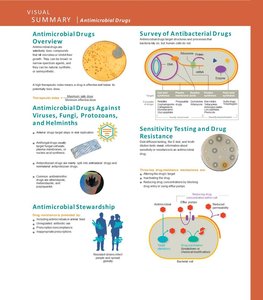
Antimicrobial Drugs
Introduction to Antimicrobial Drugs
Antimicrobial drugs are therapeutic compounds used to kill or inhibit the growth of microbes, revolutionizing modern medicine by drastically reducing mortality from infectious diseases. These drugs are classified based on the type of pathogen they target and their mechanisms of action.
Antibacterial drugs: Treat bacterial infections
Antiviral drugs: Target viral infections
Antifungal drugs: Target fungal infections
Antiparasitic drugs: Treat protozoan and helminthic infections
Historical context: Before antimicrobials, infections like strep throat were often fatal, and infections were the main cause of war-related deaths. The discovery of penicillin by Alexander Fleming in 1928 marked a turning point in infectious disease treatment.
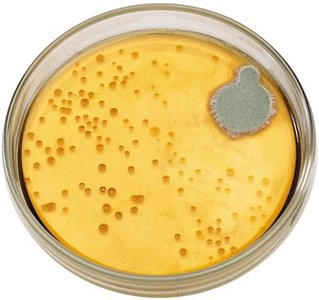
Example: Fleming observed that Staphylococcus aureus could not grow near a contaminating mold, later identified as Penicillium, which led to the development of penicillin.
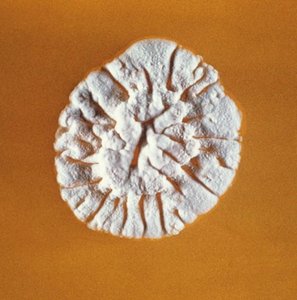
Example: Streptomycin, isolated from Streptomyces griseus, was the first antibiotic effective against tuberculosis.
Classification and Mechanisms of Antimicrobial Drugs
Antimicrobial drugs are described by their spectrum of activity and mechanism of action.
Broad-spectrum drugs: Effective against both Gram-negative and Gram-positive bacteria; useful for empiric therapy when the pathogen is unknown.
Narrow-spectrum drugs: Target a limited range of bacteria; preferred to minimize disruption of normal microbiota.
Bacteriostatic drugs: Inhibit bacterial growth, often by targeting protein synthesis or metabolic pathways.
Bactericidal drugs: Kill bacteria, typically by targeting cell walls, membranes, or nucleic acids.
The distinction between bacteriostatic and bactericidal can depend on pathogen type, dose, regimen length, pathogen load, and administration route.
Types of Antimicrobial Drugs
Antibiotics: Naturally occurring antimicrobial compounds (e.g., penicillin).
Synthetic antimicrobials: Fully manufactured by chemical processes.
Semisynthetic antimicrobials: Chemically modified natural antibiotics to enhance properties.
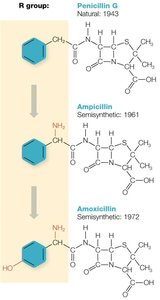
Example: Amoxicillin and ampicillin are semisynthetic derivatives of penicillin G, with modifications that expand their spectrum of activity.
Drug Development and Safety Considerations
New antimicrobials must be safe, easy to administer, stable, and have minimal interactions or contraindications. Key pharmacological concepts include:
Therapeutic index: Ratio of maximum tolerated dose to minimum effective dose. Higher values indicate safer drugs.
Selective toxicity: Drug targets microbial structures/processes not found in human cells.
Half-life: Time for half the drug dose to be eliminated; determines dosing frequency.
Hepatotoxicity: Liver toxicity; a leading cause for discontinuing drug development.
Nephrotoxicity: Kidney toxicity; aminoglycosides are a common cause.
Routes of Administration
Oral: Preferred for ease, but drugs must be stable in stomach acid and absorbed in intestines.
Parenteral: Injection (intravenous, intramuscular, subcutaneous); used for drugs not absorbed orally or for severe infections.
Survey of Antibacterial Drugs
Cellular Targets of Antibacterial Drugs
Antibacterial drugs are grouped by the cellular structures or processes they target. Ideal drugs target bacterial features absent in humans.
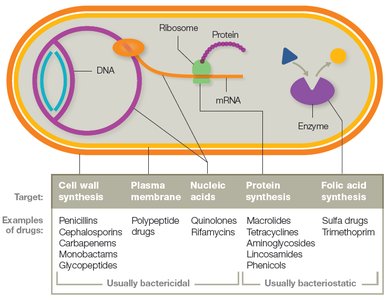
Target | Drug Family | Examples | Activity Spectrum |
|---|---|---|---|
Cell wall synthesis | Penicillins, Cephalosporins, Carbapenems, Monobactams, Glycopeptides | Penicillin G, Cephalexin, Imipenem, Aztreonam, Vancomycin | Narrow to broad |
Plasma membrane | Polypeptide drugs | Polymyxin B, Colistin | Narrow |
Nucleic acids | Quinolones, Rifamycins | Ciprofloxacin, Rifampin | Broad |
Protein synthesis | Macrolides, Lincosamides, Phenicols, Tetracyclines, Aminoglycosides | Erythromycin, Clindamycin, Chloramphenicol, Doxycycline, Gentamicin | Broad or narrow |
Folic acid synthesis | Sulfa drugs, Trimethoprim | Sulfamethoxazole, Trimethoprim | Broad |
Drugs Targeting Bacterial Cell Walls
Most bacteria have a peptidoglycan cell wall. Drugs that inhibit cell wall synthesis (e.g., beta-lactams, glycopeptides) are most effective during active cell division.
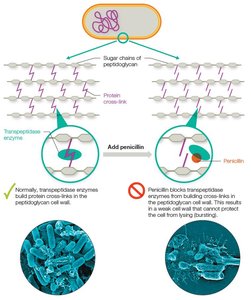
Beta-lactam antimicrobials (penicillins, cephalosporins, carbapenems, monobactams) block cell wall construction by binding transpeptidase enzymes, preventing cross-linking of peptidoglycan.
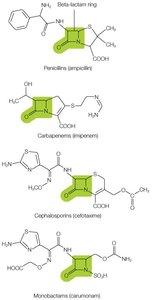
Beta-lactamase inhibitors (e.g., clavulanate) are used to combat resistance enzymes that degrade beta-lactam drugs.
Glycopeptides and Other Cell Wall Inhibitors
Glycopeptide drugs (e.g., vancomycin, teicoplanin) interfere with cell wall synthesis but lack a beta-lactam ring, making them effective against beta-lactamase-producing bacteria. They are not absorbed orally and are administered intravenously for systemic infections.
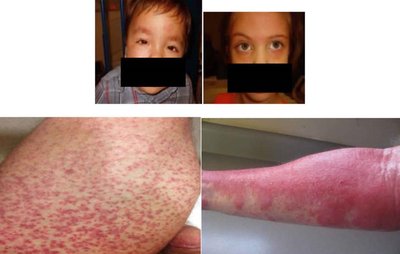
Side effect: Red man syndrome is a notable adverse reaction to vancomycin.
Other cell wall inhibitors include bacitracin (topical use) and isoniazid (for tuberculosis, targets mycolic acid synthesis).
Drugs Targeting Nucleic Acid Synthesis
Quinolones (e.g., ciprofloxacin, levofloxacin) and rifamycins (e.g., rifampin) inhibit DNA replication or transcription. These drugs are broad-spectrum and reserved for resistant infections due to potential side effects.
Drugs Targeting Folic Acid Synthesis
Sulfa drugs (sulfonamides) are synthetic antimicrobials that act as competitive inhibitors of folic acid synthesis, a pathway absent in humans. They are bacteriostatic and broad-spectrum.
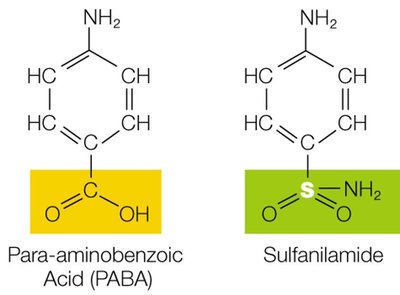
Example: Sulfa drugs resemble para-aminobenzoic acid (PABA), blocking folic acid production in bacteria.

Application: Sulfa drugs combined with silver are used in wound dressings for burn victims.
Drugs Targeting Prokaryotic Ribosomes
Many antibiotics inhibit protein synthesis by binding to bacterial ribosomal subunits, often resulting in bacteriostatic effects.
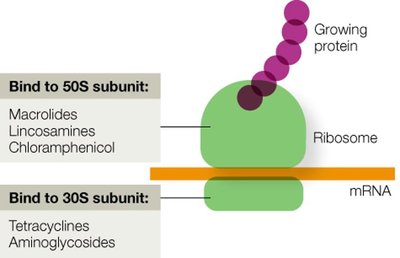
Macrolides (e.g., erythromycin, azithromycin): Bind 50S subunit; broad-spectrum.
Lincosamides (e.g., clindamycin): Bind 50S subunit; effective against MRSA but risk of C. difficile infection.
Phenicols (e.g., chloramphenicol): Bind 50S subunit; broad-spectrum but risk of bone marrow toxicity.
Tetracyclines (e.g., doxycycline): Bind 30S subunit; broad-spectrum, not for children under 8 due to effects on teeth and bones.
Aminoglycosides (e.g., gentamicin): Bind 30S subunit; narrow-spectrum, risk of nephrotoxicity and hearing loss.
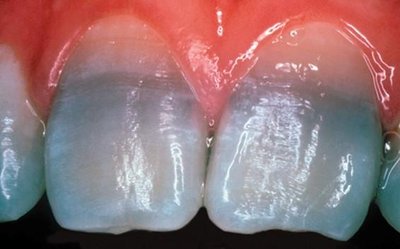
Example: Tetracyclines can cause permanent tooth discoloration in children.
Drugs Targeting Bacterial Membranes
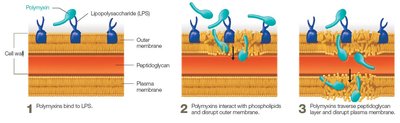
Polypeptide drugs (e.g., polymyxin B, colistin) disrupt bacterial membranes, especially in Gram-negative bacteria. They have a narrow therapeutic index and are mainly used topically or for life-threatening multidrug-resistant infections.
Drugs for Viral, Fungal, Protozoan, and Helminthic Infections
Antiviral Drugs
Antiviral drugs are challenging to develop due to the reliance of viruses on host cell machinery. They are classified by the stage of viral replication they inhibit: attachment, penetration, uncoating, replication/assembly, or release. Interferons stimulate immune responses against viruses.
Antifungal Drugs
Most antifungal drugs target unique fungal features such as ergosterol in the plasma membrane or beta-glucan in the cell wall.
Azoles and allyamines: Inhibit ergosterol synthesis (e.g., fluconazole, terbinafine).
Polyenes: Bind ergosterol, causing membrane leakage (e.g., amphotericin B, nystatin).
Echinocandins: Inhibit beta-glucan synthesis in the cell wall (e.g., caspofungin).
Flucytosine: Inhibits nucleic acid synthesis.
Antiprotozoan and Antihelminthic Drugs
These drugs are difficult to develop due to the eukaryotic nature and complex life cycles of parasites.
Antimalarial drugs: Target Plasmodium species (e.g., chloroquine, artemisinin-based therapies).
Nonmalarial antiprotozoan drugs: Metronidazole, TMP/SMX, nitazoxanide.
Antihelminthic drugs: Albendazole, mebendazole (inhibit glucose uptake); praziquantel (paralyzes worms).
Assessing Sensitivity to Antimicrobial Drugs
Antibiotic Susceptibility Testing
Determining a pathogen's susceptibility to antibiotics is essential for effective treatment. Common methods include agar diffusion tests and broth dilution tests.
Kirby-Bauer Test
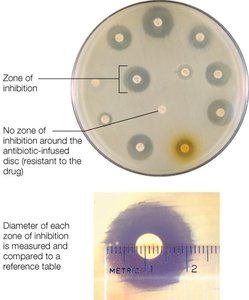
The Kirby-Bauer disk diffusion test measures zones of inhibition around antibiotic disks on agar plates to determine susceptibility.
Antibiogram
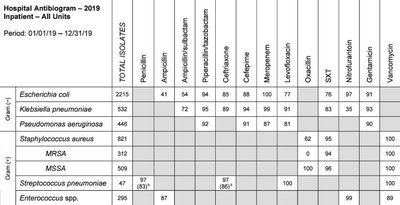
An antibiogram summarizes the susceptibility of local bacterial isolates to various antibiotics.
E-test
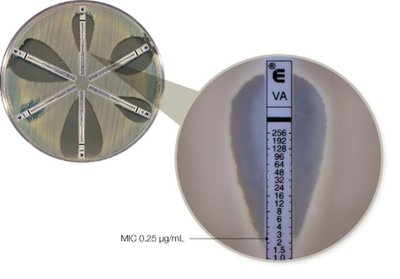
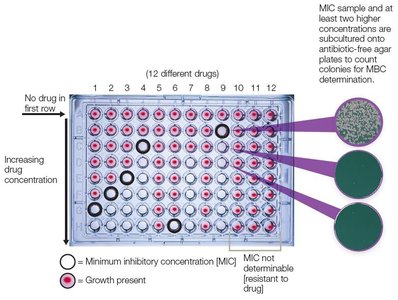
The E-test uses strips with a gradient of antibiotic concentrations to determine the minimum inhibitory concentration (MIC).
Broth Dilution Test
This test determines MIC and minimum bactericidal concentration (MBC) by serially diluting antibiotics in broth and assessing bacterial growth.
Drug Resistance and Antimicrobial Stewardship
Antimicrobial Resistance
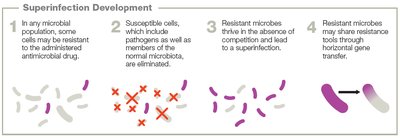
Antimicrobial resistance occurs when microbes are no longer affected by drugs intended to inhibit or eliminate them. Resistant microbes are called superbugs, and their proliferation can lead to superinfections.
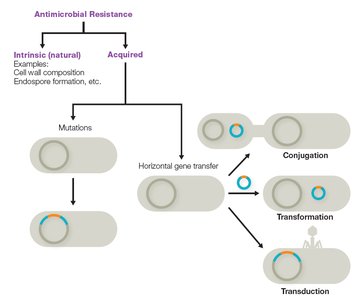
Intrinsic resistance: Natural resistance due to inherent structural or functional traits (e.g., lack of cell wall, biofilm formation).
Acquired resistance: Gained through mutations or horizontal gene transfer (conjugation, transformation, transduction).
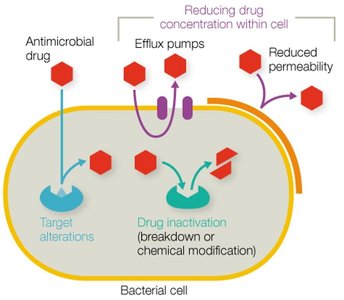
Altering the drug’s target
Inactivating the drug (e.g., beta-lactamases)
Reducing drug concentration inside the cell (e.g., efflux pumps, reduced permeability)
Factors Accelerating Drug Resistance
Human behaviors such as noncompliance with dosing, misuse/overuse in clinical and agricultural settings, and poor infection control accelerate resistance development.
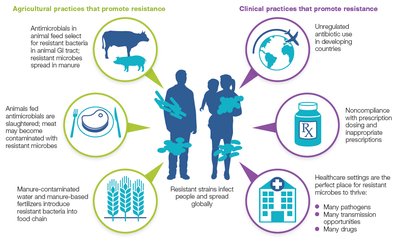
Unnecessary prescriptions for viral or self-limiting infections
Use of antibiotics in animal feed
Incomplete patient adherence to prescribed regimens
Combating Drug Resistance
Proper antimicrobial stewardship is essential to slow resistance. This includes limiting unnecessary prescriptions, using narrow-spectrum drugs when possible, and educating patients on adherence.
Challenges in Developing New Drugs
Drug development is costly, time-consuming, and offers limited financial incentives. Strategies to address these challenges include government incentives, combination therapies, and alternative approaches like phage therapy.
Visual Summary