 Back
Antimicrobial Drugs: Mechanisms, Classes, and Clinical Applications
Study Guide - Smart Notes
 Tailored notes based on your materials, expanded with key definitions, examples, and context.
Antimicrobial Drugs
Introduction to Chemotherapy and Antimicrobial Drugs
Antimicrobial drugs are essential tools in the treatment of infectious diseases. Chemotherapy refers to the use of chemicals to treat disease, including both antibiotics and anti-cancer drugs. The concept of selective toxicity is central, meaning drugs should target pathogens without harming the host. The therapeutic index compares the effective dose to the toxic dose; a higher index is preferred for safety.
Antibiotic: Substance produced by microbes that inhibits other microbes.
Antimicrobial drugs: Synthetic substances that interfere with microbial growth.
History: Penicillin discovered by Fleming (1928); Prontosil red dye (1932); clinical trials of penicillin (1940).
Antibiotic resistance: Increasing problem due to misuse and overuse.
Spectrum of Activity and Superinfection
Antimicrobial drugs vary in their spectrum of activity. Narrow-spectrum drugs affect a limited range of microbes, while broad-spectrum antibiotics target a wide range of gram-positive and gram-negative bacteria. Superinfection occurs when normal microbiota resistant to antibiotics overgrow, often after broad-spectrum antibiotic use.
Bactericidal: Kill microbes directly.
Bacteriostatic: Prevent microbial growth.
Families and Classification of Antibiotics
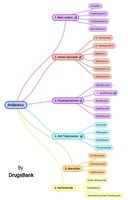
Antibiotics are classified based on their chemical structure and mode of action. Major families include β-lactams, aminoglycosides, polypeptides, antituberculars, and sulfonamides.
Modes of Action of Antimicrobial Drugs
Overview of Mechanisms
Antimicrobial drugs act by targeting specific structures or processes in microbes. The five main modes of action are:
Inhibition of cell wall synthesis
Inhibition of protein synthesis
Disruption of plasma membrane
Inhibition of nucleic acid synthesis
Inhibition of folic acid synthesis
Cell Wall Synthesis Inhibitors
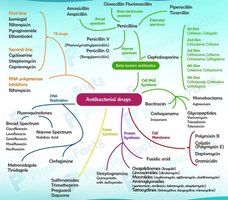
These drugs prevent the formation of peptidoglycan, essential for bacterial cell wall integrity. They are most effective against Gram-positive bacteria.
Penicillins: Contain a β-lactam ring; prevent cross-linking of peptidoglycans.
Cephalosporins: Similar to penicillins; divided into generations with increasing spectrum.
Carbapenems: Broad spectrum; modified penicillin nucleus.
Monobactams: Single ring; effective against certain Gram-negatives.
Glycopeptides: Vancomycin; last line against MRSA.
Polypeptides: Bacitracin, colistin, polymyxin B; mostly topical.
Antimycobacterial agents: Isoniazid and ethambutol inhibit mycolic acid synthesis in mycobacteria.
Protein Synthesis Inhibitors
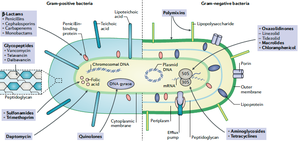
These drugs target bacterial ribosomes, which differ from eukaryotic ribosomes, thus providing selective toxicity.
50S subunit binders: Macrolides (erythromycin), oxazolidinones (linezolid), chloramphenicol, streptogramins.
30S subunit binders: Aminoglycosides (streptomycin, neomycin, gentamicin), tetracyclines, glycylcyclines.
Plasma Membrane Disruptors
These drugs compromise the integrity of the microbial cell membrane, leading to cell death.
Lipopeptides: Daptomycin; active against MRSA.
Polymyxin B: Cationic detergent; effective against Gram-negatives; topical use.
Nucleic Acid Synthesis Inhibitors
These drugs interfere with DNA or RNA synthesis, preventing replication and transcription.
Quinolones/Fluoroquinolones: Inhibit DNA gyrase; e.g., ciprofloxacin.
Rifamycins: Inhibit mRNA synthesis; anti-tubercular activity.
Folic Acid Synthesis Inhibitors
These drugs block the synthesis of folic acid, a precursor for nucleic acid and protein synthesis.
Sulfonamides: Competitively inhibit PABA enzyme.
Trimethoprim: Inhibits dihydrofolate reductase; often combined with sulfamethoxazole for synergistic effect.
Antifungal Drugs
Overview and Classification
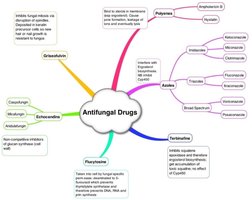
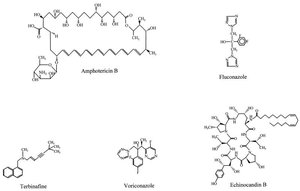
Antifungal drugs target unique features of fungal cells, such as ergosterol in the membrane and β-glucan in the cell wall.
Agents affecting fungal sterols: Amphotericin B, azoles (imidazoles, triazoles), allylamines.
Agents affecting fungal cell walls: Echinocandins inhibit β-glucan synthesis.
Agents inhibiting nucleic acids: Flucytosine interferes with RNA synthesis.
Other agents: Griseofulvin inhibits microtubule formation; tolnaftate for athlete's foot; pentamidine for Pneumocystis.
Antiviral Drugs
Modes of Action
Antiviral drugs block various stages of viral replication, including entry, fusion, uncoating, genome integration, nucleic acid synthesis, assembly, and release.
Entry and fusion inhibitors: Block virus binding and fusion with host cell.
Uncoating inhibitors: Amantadine, rimantadine for influenza.
Nucleoside analogs: Inhibit viral RNA/DNA synthesis; e.g., acyclovir.
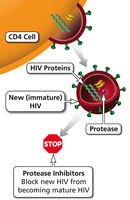
Protease inhibitors: Block cleavage of protein precursors.
Exit inhibitors: Inhibit neuraminidase; e.g., zanamivir, oseltamivir.
Antivirals for HIV/AIDS
Antiretroviral therapy (ART) uses combinations of drugs targeting different stages of HIV replication.
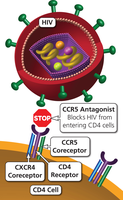
Entry inhibitors: CCR5 antagonists (miraviroc).
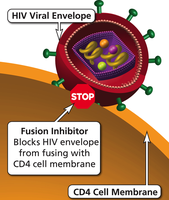
Fusion inhibitors: Enfuvirtide.
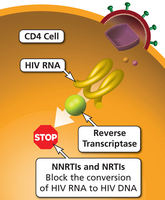
NRTIs: Zidovudine, abacavir, etc.
NtRTIs: Tenofovir.
NNRTIs: Nevirapine, etravirine.
Protease inhibitors: Atazanavir, darunavir.
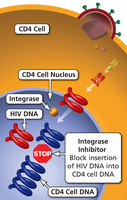
Integrase inhibitors: Raltegravir, dolutegravir.
Antiprotozoan and Antihelminthic Drugs
Antiprotozoan Drugs
These drugs target protozoan parasites, often by interfering with metabolic pathways.
Quinine and chloroquine: Treat malaria.
Artemisinin: Kills Plasmodium.
Metronidazole: Treats Trichomonas, giardiasis, amebic dysentery; also affects anaerobic bacteria.
Antihelminthic Drugs
These drugs target helminths (worms) by disrupting energy production, membrane permeability, or nutrient absorption.
Niclosamide: Prevents ATP production; treats tapeworms.
Praziquantel: Alters membrane permeability; treats tapeworms and flukes.
Mebendazole and albendazole: Interfere with nutrient absorption; treat intestinal helminths.
Ivermectin: Causes paralysis; treats roundworms and mites.
Drug Susceptibility Testing
Diffusion Methods
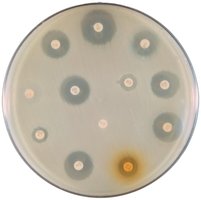
Testing microbial susceptibility to chemotherapeutic agents is crucial for effective treatment. The disk-diffusion method (Kirby-Bauer test) uses paper disks with antibiotics placed on agar inoculated with the test organism. The zone of inhibition indicates sensitivity.
MIC and E Test
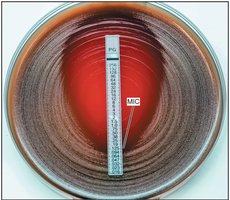
The Minimal Inhibitory Concentration (MIC) is the lowest concentration of antibiotic preventing growth. The E test uses a gradient diffusion strip to estimate MIC.
Antibiotic Misuse and Resistance
Causes and Consequences
Misuse of antibiotics promotes resistance. Common misuse includes using outdated drugs, inappropriate conditions, animal feed, incomplete regimens, and leftover prescriptions.
Resistance mutants are selected by misuse.
Therapeutic index guides safe dosing to minimize toxicity.
Penicillin Allergy
Mechanisms and Clinical Relevance
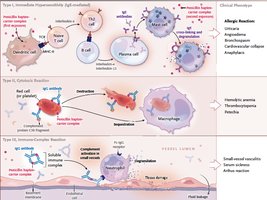
Penicillin allergy can cause anaphylaxis, a rapid and potentially fatal reaction. Penicillins bind to proteins, forming hapten–carrier complexes that trigger immune responses. The hapten-prohapten model explains immediate hypersensitivity (Type I, II, III reactions), with IgE-mediated reactions causing anaphylaxis.

Summary Table: Major Classes of Antimicrobial Drugs
Class | Mode of Action | Examples |
|---|---|---|
Cell Wall Synthesis Inhibitors | Inhibit peptidoglycan cross-linking | Penicillins, cephalosporins, carbapenems, monobactams, vancomycin |
Protein Synthesis Inhibitors | Bind ribosomal subunits | Macrolides, aminoglycosides, tetracyclines, chloramphenicol |
Plasma Membrane Disruptors | Disrupt membrane integrity | Polymyxin B, daptomycin |
Nucleic Acid Synthesis Inhibitors | Inhibit DNA/RNA synthesis | Quinolones, rifamycins |
Folic Acid Synthesis Inhibitors | Block folic acid pathway | Sulfonamides, trimethoprim |
Antifungal Drugs | Target ergosterol, cell wall, nucleic acids | Amphotericin B, azoles, echinocandins, flucytosine |
Antiviral Drugs | Block viral entry, replication, assembly | Acyclovir, oseltamivir, ART drugs |
Antiprotozoan Drugs | Interfere with metabolism | Quinine, metronidazole |
Antihelminthic Drugs | Disrupt energy/nutrient absorption | Niclosamide, mebendazole, ivermectin |
