 Back
Antimicrobial Drugs: Mechanisms, Classes, and Resistance
Study Guide - Smart Notes
 Tailored notes based on your materials, expanded with key definitions, examples, and context.
Antimicrobial Drugs
History and Principles of Chemotherapy
Antimicrobial drugs are essential tools in the treatment of infectious diseases. The field of chemotherapy began with the search for substances that could selectively target pathogens without harming the host. Paul Ehrlich coined the term 'chemotherapy,' and Alexander Fleming discovered penicillin, the first widely used antibiotic.
Selective toxicity: The ability of a drug to target pathogens while sparing host cells.
Chemotherapy: Use of chemicals to treat disease.
Antibiotic: Substance produced by a microbe that inhibits another microbe.
Antimicrobial drugs: Synthetic substances that interfere with microbial growth.
Sources of Antibiotics
Most antibiotics are produced by bacteria and fungi. The genus Streptomyces is responsible for over half of all antibiotics.
Microorganism | Antibiotic |
|---|---|
Bacillus subtilis | Bacitracin |
Streptomyces griseus | Streptomycin |
Penicillium chrysogenum | Penicillin |
Cephalosporium spp. | Cephalothin |
Saccharopolyspora erythraea | Erythromycin |
Spectrum of Antimicrobial Activity
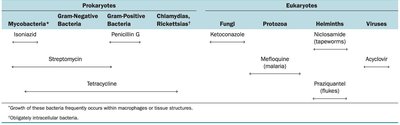
The spectrum of activity describes the range of microbes affected by a drug. Narrow-spectrum antibiotics target specific groups, while broad-spectrum antibiotics affect a wide range of bacteria. Overuse of broad-spectrum antibiotics can lead to superinfection, where resistant organisms such as Candida albicans or Clostridioides difficile proliferate.
Narrow spectrum: Penicillin G targets gram-positive bacteria.
Broad spectrum: Tetracycline targets gram-positive, gram-negative, and intracellular bacteria.
Superinfection: Overgrowth of resistant normal microbiota.
Modes of Action of Antimicrobial Drugs
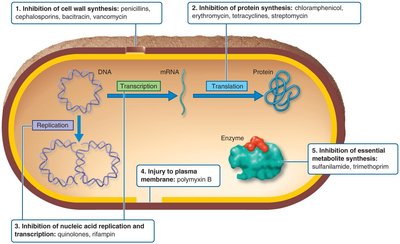
Antimicrobial drugs act through five primary mechanisms:
Inhibition of cell wall synthesis: Penicillins, cephalosporins, bacitracin, vancomycin.
Inhibition of protein synthesis: Chloramphenicol, erythromycin, tetracyclines, streptomycin.
Inhibition of nucleic acid replication and transcription: Quinolones, rifampin.
Injury to plasma membrane: Polymyxin B.
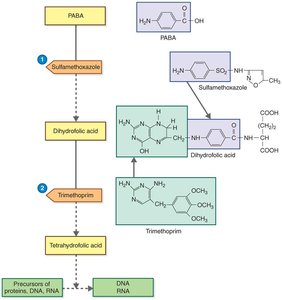
Inhibition of essential metabolite synthesis: Sulfanilamide, trimethoprim.
Inhibition of Cell Wall Synthesis
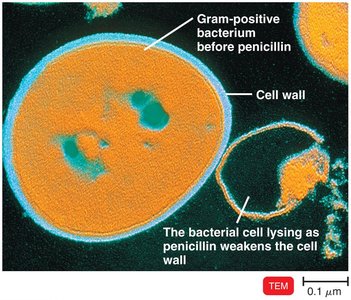
Drugs like penicillin prevent the synthesis of peptidoglycan, weakening the bacterial cell wall and causing lysis, especially in gram-positive bacteria.
Inhibition of Protein Synthesis
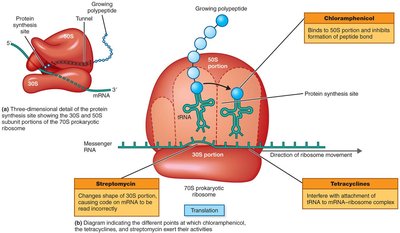
Antibiotics target the bacterial 70S ribosome, interfering with translation. Different drugs act at specific sites:
Streptomycin: Changes shape of 30S subunit, causing misreading of mRNA.
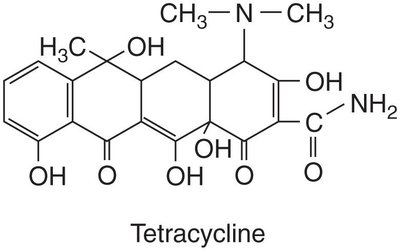
Tetracyclines: Interfere with tRNA attachment to the ribosome.
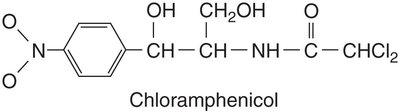
Chloramphenicol: Binds to 50S subunit and inhibits peptide bond formation.
Injury to Plasma Membrane
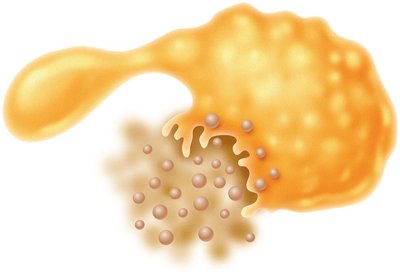
Polypeptide antibiotics and antifungal drugs disrupt membrane integrity, causing leakage of cellular contents.
Inhibition of Nucleic Acid Synthesis
Quinolones and rifamycins block DNA replication and transcription, respectively, by inhibiting topoisomerase and RNA polymerase.
Inhibition of Essential Metabolite Synthesis
Antimetabolites such as sulfanilamide and trimethoprim compete with normal substrates for enzymes, blocking folic acid synthesis.
Antibacterial Antibiotics: Penicillins and Cephalosporins
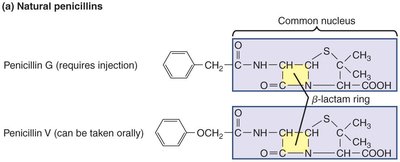
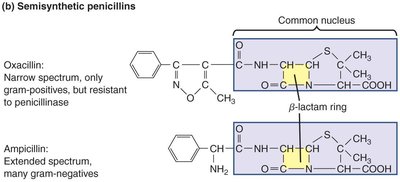
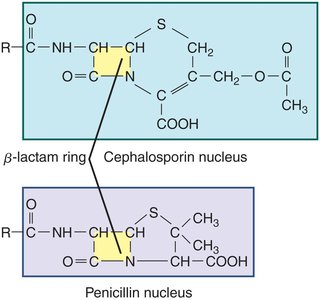
Penicillins contain a β-lactam ring and are classified as natural or semisynthetic. Natural penicillins (G and V) are susceptible to penicillinase, while semisynthetic penicillins (oxacillin, ampicillin) are resistant or have extended spectra.
Cephalosporins are structurally similar to penicillins but have a different ring structure, offering broader activity and resistance to β-lactamases.
Inhibitors of Protein Synthesis: Structures
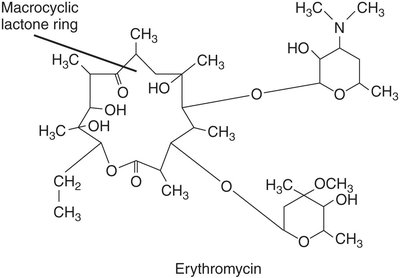
Chloramphenicol, tetracycline, and erythromycin are key inhibitors of protein synthesis, each with distinct chemical structures.
Antifungal Drugs
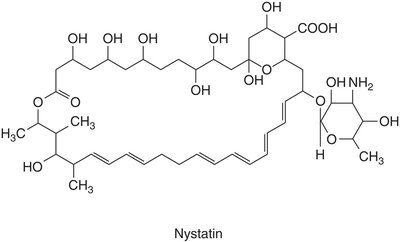
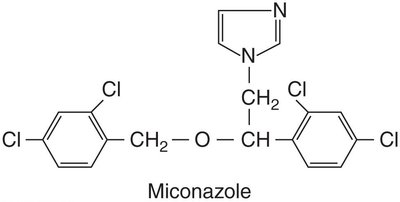
Antifungal drugs target ergosterol in fungal membranes or inhibit cell wall synthesis. Polyenes (nystatin, amphotericin B) and azoles (miconazole, ketoconazole) are common classes.
Antiviral Drugs
Antiviral drugs inhibit viral entry, uncoating, genome integration, nucleic acid synthesis, or assembly and exit. Acyclovir is a nucleoside analog that blocks DNA synthesis in herpesviruses.
Tests to Guide Chemotherapy
Microbial susceptibility to drugs is tested using methods such as the disk-diffusion (Kirby-Bauer) test, E test (for MIC), and broth dilution tests.
Resistance to Antimicrobial Drugs
Bacteria develop resistance through mechanisms such as enzymatic destruction (e.g., β-lactamases), prevention of drug penetration, alteration of target sites, and rapid efflux. Resistance genes are often spread horizontally via plasmids or transposons.
Effects of Drug Combinations
Synergism occurs when two drugs together have a greater effect than either alone. Antagonism is when the combined effect is less than either drug alone.
Future Directions
Research focuses on targeting virulence factors, combating dormant persister cells, and developing drugs for gram-negative bacteria. Phage therapy and antimicrobial peptides are promising new approaches.
